From Chennai to Trentino alto Adige to Baltimore, inventors are churning out methods of stopping plastic pollution from entering the ocean by picking it out of riverways.
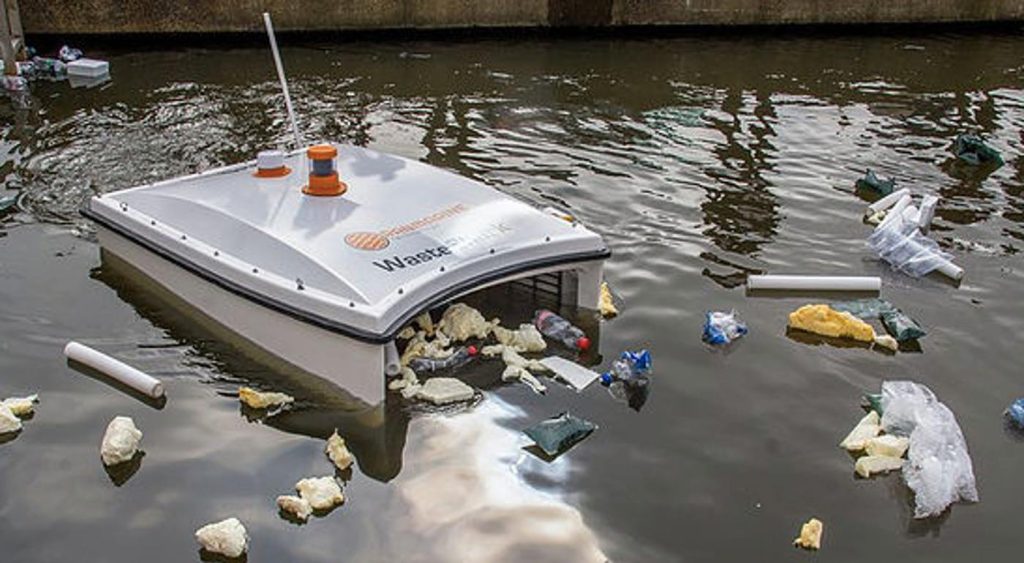
They come in different shapes and sizes, and a Dutch company just added a whale-shark-inspired drone that can cobble 160 liters of waste to the mix.
Developed by RanMarine in Rotterdam, the drone project was both straightforward, but with a pretty long checklist. It had to be automated, zero emissions, easy to use, economic to deploy and maintain, and be able to clean a freshwater environment without harming it.
The result is WasteShark, which is about 4 feet long and quietly captures trash in a tray between its two pontoons. Like the whale shark that provided its inspiration, a grid stops anything sizeable from entering its mouth, until it detects trash and the grid is lowered.
Once the drone is filled, it’s steered back to the water’s edge, where the tray can be easily removed, and emptied into a larger receptacle.
Watch the video
The good news here is around the world people continue to work on keeping plastic and trash out of the ocean. Today’s JohnKu talks about problem-solving.
Once again, today’s story comes from the Good News Network. Here it is in its entirety.
Stray Dog Becomes a Fierce Crossing Guard for These Children Every Day – WATCH
By Andy Corbley –
Instagram/@lovelykupata
A stray dog in the country of Georgia has appointed himself as the local crossing guard for young children crossing a busy intersection.
Every morning, he strongly discourages drivers from encroaching upon the crosswalk by barking wildly at them until the kids, who cross hand-to-hand with their teacher, have made it across.
“He’s a very serious boy. He never goes to other streets,” said Tamta, who is part of the community that takes care of Kupata, the dog. Kupata, by the way, is Georgian for ‘sausage.’
According to ecstatic YouTube commenters, this particular ‘sausage’ is an Australian shepherd—it’s his breed that may have given him his instincts to go running up and down beside the little boys and girls he cares for.
Tamta explained that her friend Beqa videotaped Kupata’s work in order to help show that stray dogs are not as dangerous as old customs would have people believe.
“Kupata is the lucky one because we all take care of him, but there are other dogs that aren’t lucky—that don’t have shelter, they don’t have food,” explains Tamta. “This is a problem in our country.”
Hopefully, footage like this one will help others to see strays differently.
(WATCH the video for this story below.)
The good news in this report is that even stray dogs continue to serve humans and deserve a break. Today’s JohnKu talks about helping animals without a home. I hope you have a fabulous weekend.
After being threatened with eviction, a retiree was able to buy the house she had rented for two decades after a quarter-million dollars was raised by the community on her behalf.
Known for having a heart of gold and a pair of green thumbs, Linda Taylor was a beloved neighbor in her Minneapolis community.
After arriving in the area 19 years ago as a volunteer to help the homeless and needy, she began renting a small house on 10th avenue and East 36th street in the Powderhorn Park district. There, the 70-year-old retiree became a “bright star” of the neighborhood.
It seemed though that bright star would be severely darkened, perhaps permanently, when her landlord decided to sell the property, and gave her until the end of January to evict.
Word gets around tight communities, and after she told one neighbor, the greater part of Powderhorn rallied around her, striking a deal with the landlord that if he would give “Miss Linda” until the end of June, they would raise the money to buy the house.
There was no one-size-fits-all approach to the fundraising efforts. Inflation is at a 40 year high driven by previous monetary inflation reaching broader sectors of the economy, while gas just crossed a national average of $5.00 a gallon, yet even in such difficult times, folks were able to open heart, mind, and wallet, to make the project a reality.
It involved an art show, bake sale, pro-bono work by a real estate agent, countless small donations, and other community-fund drives to come up with the dough—which they did, a full month ahead of the June 30th deadline.
“Yesterday I went and did the closing for the house,” Taylor said. “It makes me feel so good, everything that I have given, it’s coming back to me and I want to continue to give. I love this neighborhood.”
The good news here is the Golden Rules is very much in play. (Do unto others as you would have them do unto you.) I hope you have a great weekend. Today’s JohnKu is about helping others.
Multi-billion dollar civic engineering projects tend not to be good news for wildlife, but upon the completion of a new English underground railway line, the upturned earth was used to rebuild a coastal habitat for birds in Essex.
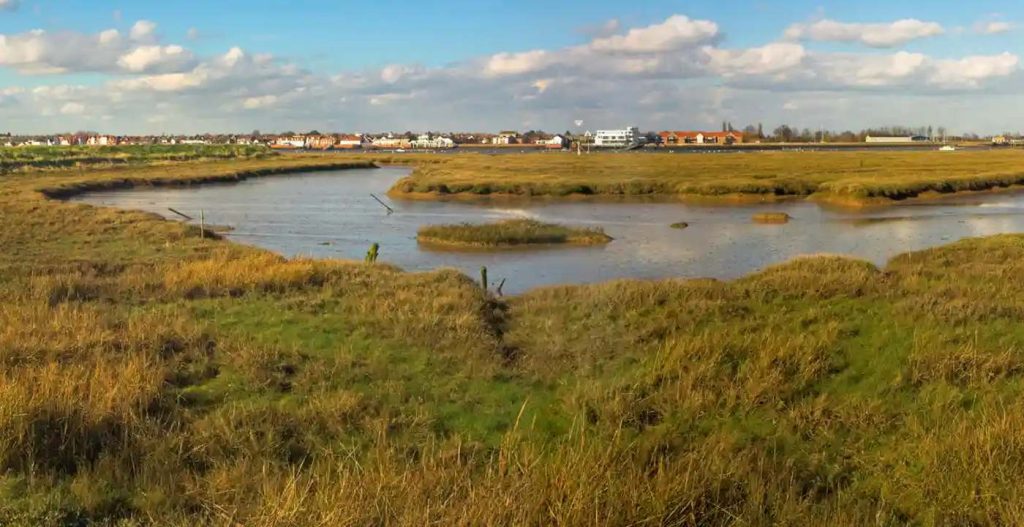
The new bird sanctuary instantly became one of the richest in Britain’s coastline for avocets, spoonbills, black-tailed godwits, and other wading birds.
The Elizabeth Crossrail is a high-speed line that runs from Reading to the west of London, through the capital, to Shenfield near the east coast. During the $24 million (£19 million) project, seven million metric tons of soil was dug up to make thirteen underground railway tunnels, half of which were transported by boat to the eastern shore of the country.
The earth was taken to a place called Wallasea Island, once just a tiny peninsula of the wild Essex coastline, consisting of salt marshes, coastal lagoons, muddy flatlands, and other features, but several times during the Medieval period and after it was drained to make sheep pasture or farmland.
Farming often is not as profitable now as it was then, and as the defensive seawall was in need of repairs, the farmer that used to own the land sold it to the Royal Society for the Protection of Birds.
“Massive amounts of soil were dug up from below the streets of London during tunneling needed to create the Elizabeth line,” said Rachel Fancy, site manager of RSPB Wallasea Island. “That material was given to the RSPB, allowing us to create our Jubilee Marsh, the cornerstone of our new reserve.”
Jubilee is the appropriate name in this case. Bird-friendly journalists from the Guardian, reporting on the state of Wallasea Island, now note the diversity of species and the rich numbers.
Hen and marsh harriers have appeared in winter while wigeon, teal, plover, yellow wagtail, lapwings, blackbirds, oystercatchers, and skylarks were all recorded in what reporters called a “nature lover’s paradise.”
It took 1,500 trips by canal to bring the dirt to Wallasea. Once there it was transported via conveyor belt to a dump, where tipper trucks slowly deposited it along the shoreline to create a steady sloping terrain up from the sea, protecting it from rising levels.
After the manicuring and landscaping was finished, the seawall was strategically breached in three separate places at low tide, which, once it rose again, gently partitioned the landscape into the various landscape features seen today, as opposed to turning it into a big muddy lake if the wall had been breached all at once at high tide.
In its first year, Wallasea Nature Reserve hosted 150 breeding pairs of avocets, which is endangered-in-Britain, instantly making it one of the bird’s strongholds.
“We are really proud that Jubilee Marsh is helping to combat the threats from climate change and coastal flooding,” Mark Wild, Crossrail’s chief executive, told the Guardian.
The good news here is that with proper planning human expansion need not come at the expense of the earth. Today’s JohnKu talks about stewardship. I hope you all have a super weekend.
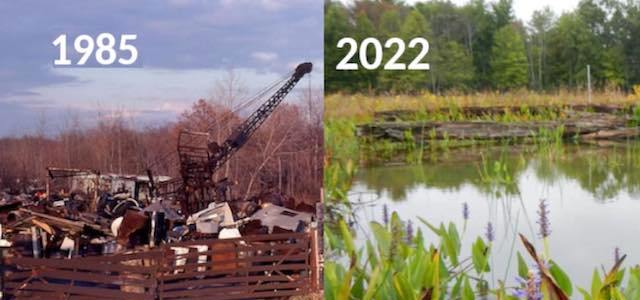
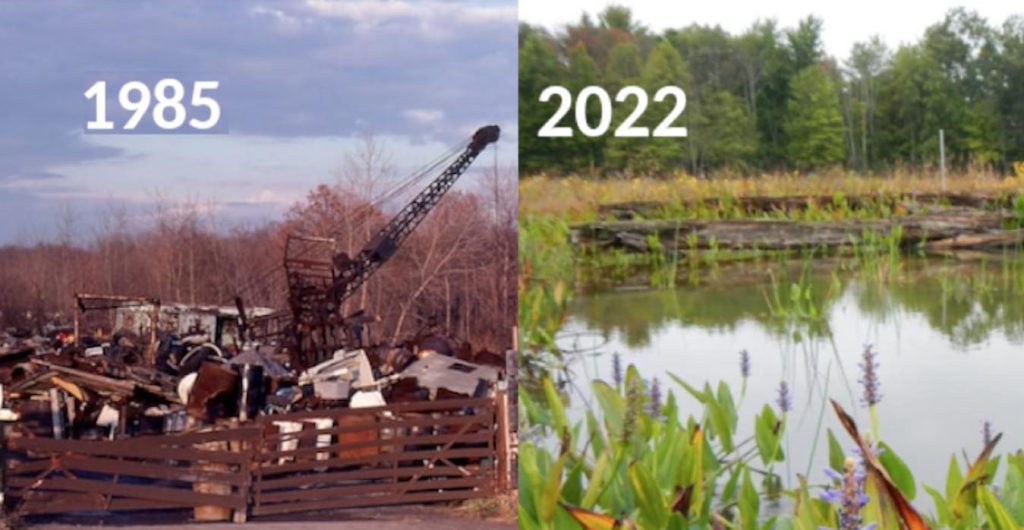
The Krejci dump before and after in Cuyahoga Valley – Chris Davis / National Park Service
When President Gerald Ford signed a bill creating the Cuyahoga National Recreation Area in Ohio in 1974, the site’s boundaries deliberately included a well-known local garbage dump, assuming it could be easily cleaned.
When the National Park Service (NPS) discovered a nearly-unmanageable chemical wasteland where even the water and soil were flammable, a decades-long cleanup effort converted it, at the polluters’ expense no less, into a vibrant marsh ecosystem with some of the highest biodiversity in the region.
“This was a toxic wasteland only a few decades ago. To find this diversity of species there today is remarkable,” said Ecologist for Cuyahoga Valley National Park, Chris Davis.
The story begins when the Krejci (krech-ee) family opened up a dump along a river between Akron and Cleveland in 1940. Before municipal waste management, people were responsible for their own waste disposal, and Krejci innocently offered them an out-of-the-way place to do it.
As the years went by, the 200-acre site, with 50 acres meant for landfilling, began accepting heavier and heavier waste until many of the Rust Belt’s biggest manufacturers began relying on Krejci for disposal of their most harmful chemicals.
Getting stuck with the bill
As the years passed, the Cuyahoga area became a National Recreation Area and eventually a national park—the only one in the Rust Belt states. However, visitors began getting sick, and when NPS members finally got wind of the severity of the situation at the dump, a 25-year cleanup process began.
NPS needed a lot of cash to lead the cleanup, so they nominated Shawn Mulligan, a former Assistant Attorney General for Colorado, as an attorney representing the NPS. Mulligan would pursue companies like Chevron, Ford, Federal Metal Co., and Chrysler for almost $50 million in damages to pay for the cleanup.
The case dragged on, and few of the EPA legal staff believed it would yield a positive result for them. Eventually, as the NPS reported in a 2016 magazine issue, Ford quietly took the NPS legal team aside and decided on a solution: let the Motor City mechanics pay for and organize the whole cleanup.
The cleanup begins
With offices and resources close at hand, Ford hired contractors to begin excavating the contaminated soils. Still, every inch further dug revealed more sludge—and even more dangerous carcinogens like polychlorinated biphenyls or polyaromatic hydrocarbons.
The rusted cars and barrels, the tires, and all the other waste and discarded machinery were cleared out from 2002 to 2012, along with 400,000 tons of contaminated dirt—equivalent to 20 feet of topsoil.
Once no more barrels were found sticking out of the ground, and soil samples were clear of containments, the ground was contoured to match the surrounding ecosystem, and several wetlands were built up on the 50-acre dumping site.
Krejci dump today
Today, indigenous plants have been restored, and natural wetlands and all the plant and animal species they support are thriving.
Park visitors who experience the full-summer landscape find themselves soaking up the vista of native wildflowers and grasses as they watch turtles sun themselves on floating logs and listen to the birds sing.
Ford has been involved the whole way, paying its debt to society to a tune of $29 million and ensuring that the grasses and vegetation grow undisturbed and that soil erosion is prevented.
“[The Krejci site] is now as clean as any natural area in the park,” Dickerson says. That’s something remarkable, considering what it was in 1985.”
“You can categorize wetlands, and these are right up there with a three and a four (the top rating for wetlands). They can sustain high levels of benthic communities and critters, and turtles. They can sustain life here. It’s a vibrant resource for them.”
The Good news here is when like-minded people tackle a problem, there can be a positive solution. Today’s JohnKu discusses dedication. I hope you have a wonderful weekend.
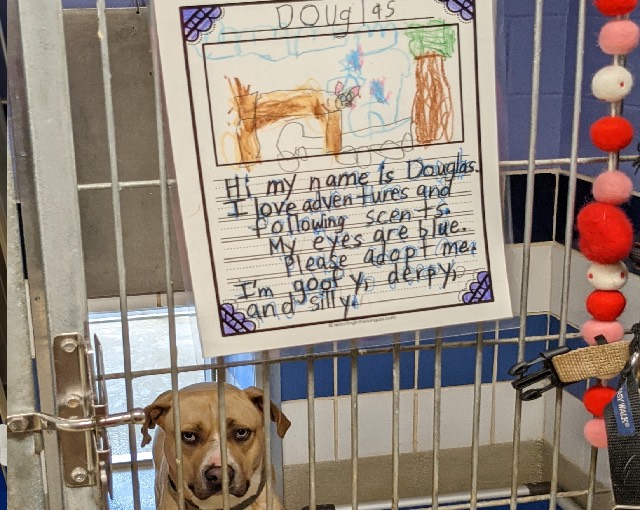
Right now, animal shelters all across our beautiful country are experiencing a crisis. There are continuously more strays and surrenders in need of care than they have room to comfortably accommodate. There are simply more dogs than adopters.
So when some first graders found out that the current lack of space was affecting their local Texas shelter, they did what came naturally to lend a helping hand – they broke out their crayons!
Facebook photo – Austin Animal Shelter
Smile-inducing sweetness is practically second nature to a child. So when the Austin Animal Center made it known to the public that they desperately needed help making space in their shelter, long-time dog lover, volunteer foster mom, and first-grade teacher, Dr. Victoria Zolli, felt inspired to share this with her students. Naturally, they were all extremely excited to help.
Facebook photo – Austin Animal Shelter
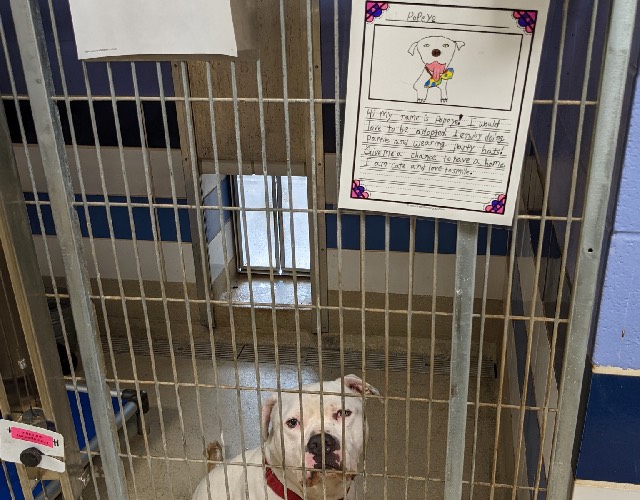
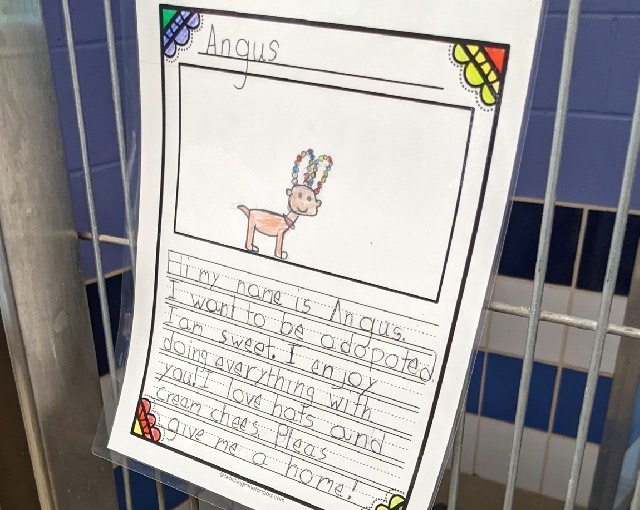
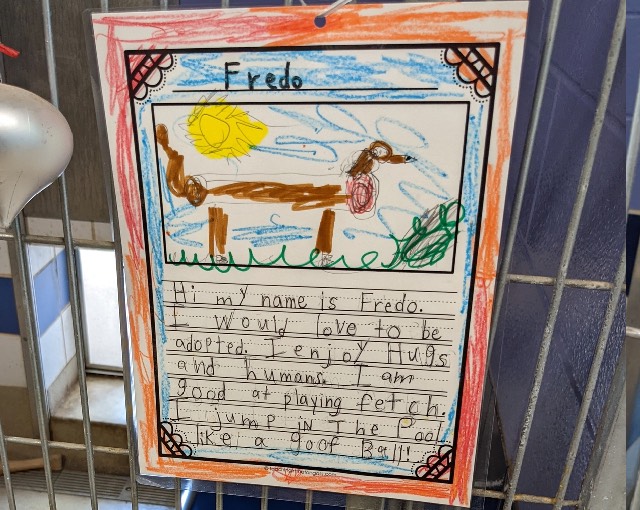
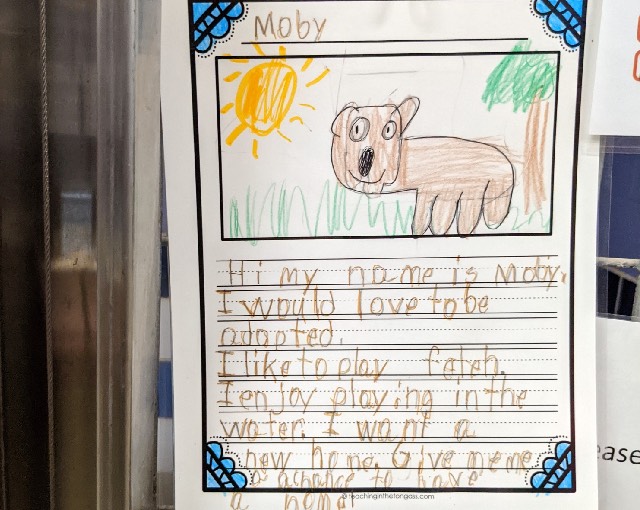
So, drawing inspiration from a teacher she heard about on the radio, Dr. Zolli helped her class create kennel cards to entice prospective dog parents to adopt or foster one of their long-stay pooches.
Her creative class wrote from the perspective of the dogs, and using their newly acquired persuasive writing skills, they combined characteristics from the pictures and short bios provided by the shelter.
Facebook photo – Austin Animal Shelter
The kennel cards turned out to be colorfully eye-catching, and the kids’ clever, candid writing was incredibly enticing. Hung above the kennels of the adoptable dog they described, the cards have delighted everyone lucky enough to lay their eyes upon them.
Their amusing childhood candor, combined with the apparent love shown for these sweet pups, made for an extremely endearing endeavor.
Facebook photo – Austin Animal Shelter
It would be incredibly hard to walk away from a kennel with one of these cards above it without giving the pup a second look or even a meet and greet – which is exactly what these students, and their teacher, had in mind.
Sometimes, the dogs that have languished in shelters the longest can find their forever homes after spending some time in the spotlight. These pups have been overlooked long enough. The adorable kennel cards are giving them the attention they so rightfully deserve, which increases the odds that they will finally find forever homes!
Facebook photo – Austin Animal Shelter
Great job, first graders from Chaparral Star Academy, and thanks for caring so much about the fantastic dogs waiting to be adopted at your local shelter.
The good news here is that children were able to relate to those animals who need a forever home which had to have enriched their perspectives on life. Today’s JohnKu talks about life perspectives. I hope you have a lovely weekend.
Today’s story is lifted directly from the Good News Network. I hope you enjoy it.
Anonymous Donor Pays Off Student Debt for Entire 2022 College Class in Texas
Wiley College
Students at a Texas College graduated last week not only with their diplomas but with their balances cleared suddenly by an anonymous donor.
More than 100 students assembled for the 133rd graduation ceremony at Wiley College and were shocked to hear President & CEO Dr. Herman J. Felton, Jr. announce that their balances had been paid off.
The recent pandemic had exacerbated some students’ ability to pay their debts, so some graduates and parents in the audience in Marshall, Texas, were especially thrilled to hear the news.
“Our commitment to our students goes beyond their time while they are enrolled,” said Felton. “We are grateful for this anonymous donor who will assist the students in paying off their balances.”
The estimated total owed by the class of 2022 in the historically Black college was $300,000.
“As Wiley College closes the academic semester and prepares for its Sesquicentennial Celebrations beginning in July, this is a great way to start the celebration of 150 years of the College’s contributions to the world.”
Wiley College, with its focus on social good and leadership, has reduced its tuition in the past years to $17,500 to cover fees, room, and board.
Now the school’s motto is even more appropriate: “Go forth Inspired.”
The Good news here is someone thought enough of these students to give what he felt necessary to give them a great start. Today’s JohnKu talks about giving. I hope you have a wonderful weekend.
Today’s good news story comes from the Good News Network
One-eyed Cat Missing For 5 Years Shows Up on Offshore Oil Rig Baffling Owners
By Andy Corbley -Apr 28, 2022
Scottish SPCA
A five-year odyssey for a cat named Dexter seems to have finally come to an end after a long, covert stay at a prison was interrupted by his arrival onboard an offshore oil rig, which finally resulted in a call to animal services.
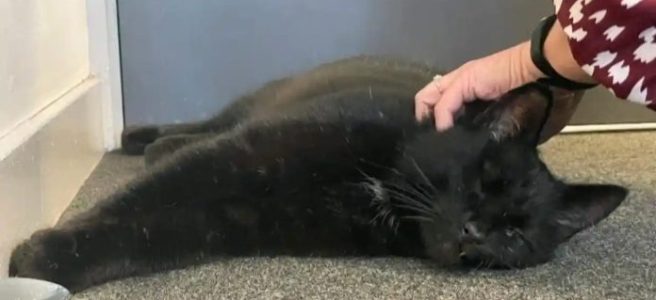
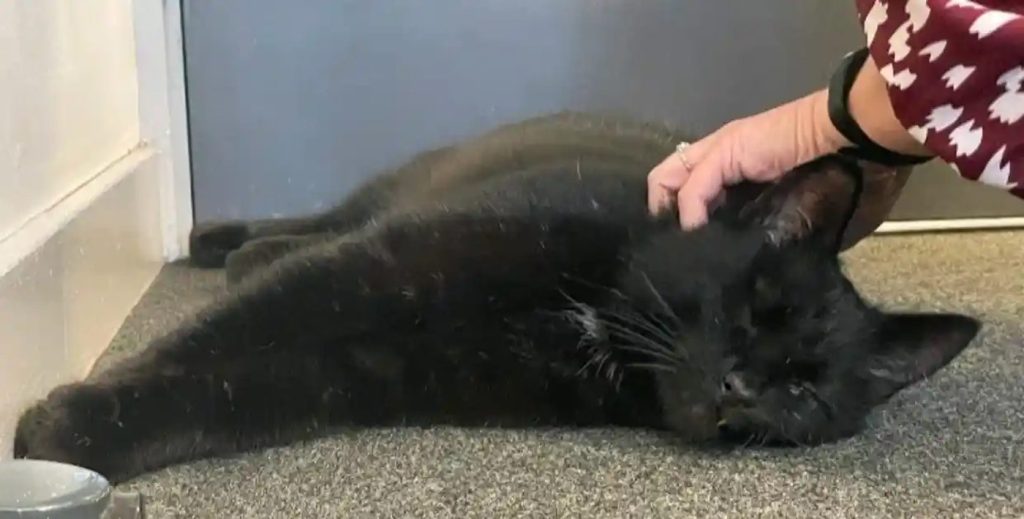
The cat was a regular “well-loved” hang about at Her Majesty’s Prison Grampian in Peterhead, Scotland, where staff used to “fuss over” him and even gave him the nickname One-eyed Joe.
Then a most unexplainable thing happened: One-eyed Joe somehow ended up in a shipping container a mile-and-a-half away at the town’s port before being shipped onto an offshore oil rig, where workers “ran away frightened” after the all-black cat jumped out of the container.
After filling out an incident card, (which must have been humorous) the staff aboard the rig took to Joe most kindly, who was now quite comfortable with living alongside the rig workers. According to The National Scot Newspaper, he was “spoiled rotten” during his time there.
Eventually, though, someone called the Society for the Prevention of Cruelty to Animals (SPCA) in Aberdeen, who retrieved Joe after the cat had been flown off the rig on a helicopter—a remarkable feat considering how hard it is normally just to get a cat into a carrier.
“We were alerted to an incident of a cat being found in a shipping container offshore,” Aimee Findlay, a Scottish SPCA animal rescue officer, said in a statement. “We’ve no idea how the cat ended up there but attended the heliport to collect him.”
One-eyed Joe was microchipped, and upon scanning the staff learned his name was actually Dexter, and that his owner had lost the cat five years ago.
“We are so glad that he was well looked after for the time he was missing but we’re even more delighted to be able to reunite him with his original owner, thanks to his microchip being up to date,” Findlay said.
The good news here is Deter was well taken care of and eventually united with his family. This week’s JohnKu talks about not giving up.
Our Good News today comes from the Good News Network. Here is the story
Tourists Come to See Tulips in Holland Once Again, Grabbing Incredible Photos of Spring – LOOK
By Good News Network –
Tulip fields in Lisse, Netherlands by Matt Cooper – SWNS
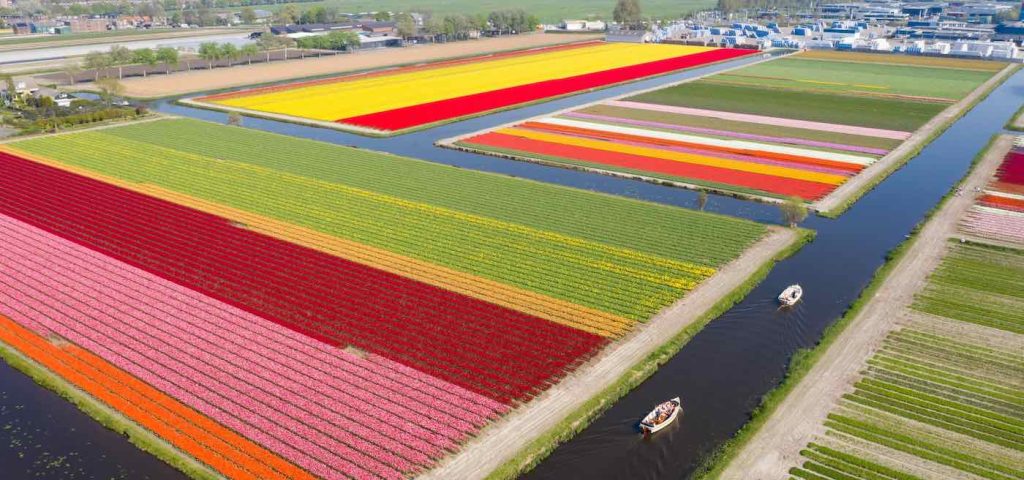
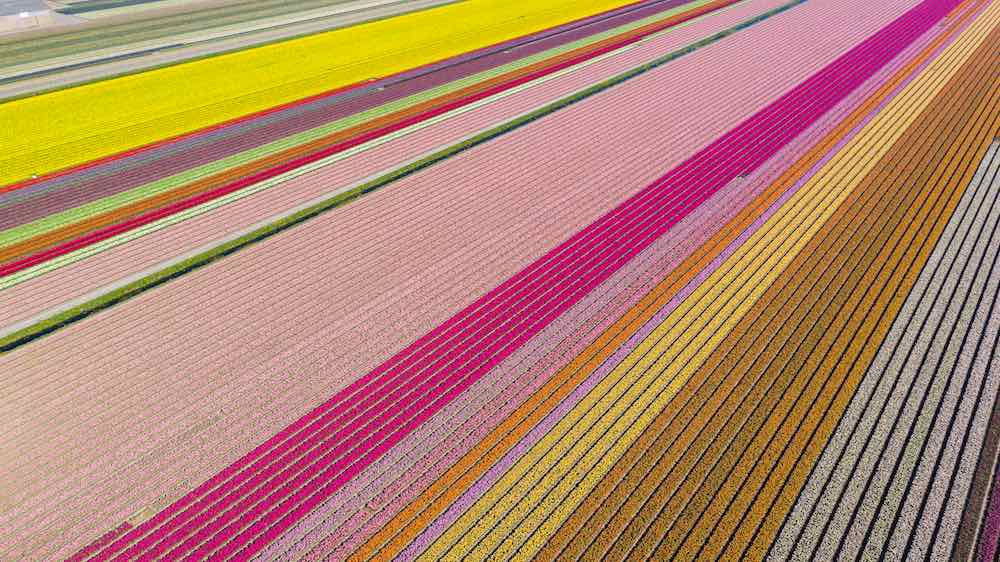
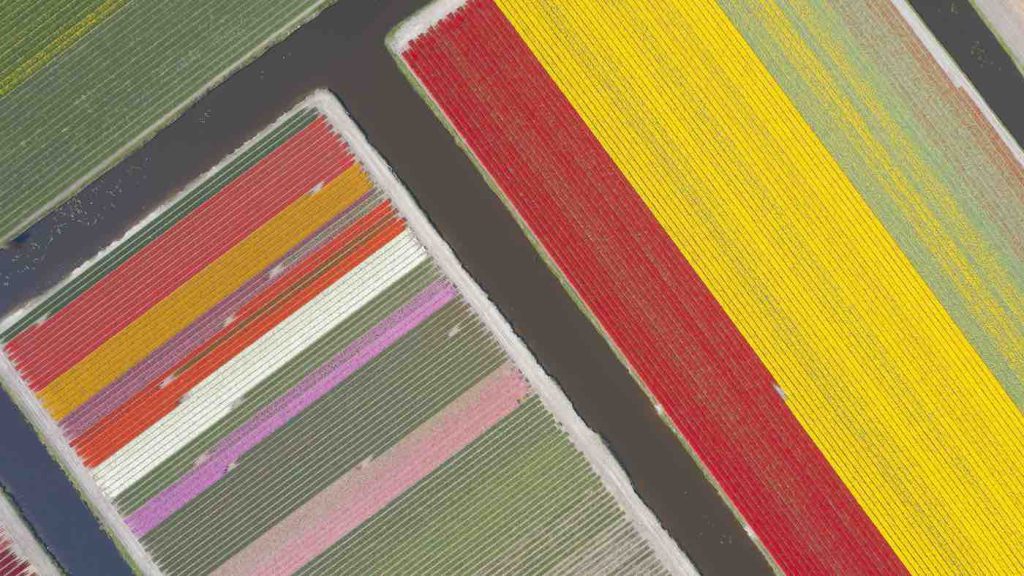
Photographs in the last few weeks show the stunning kaleidoscope of colors bursting into bloom in Holland’s tulip fields.
Beginning in late March, millions of blooms have been delighting visitors in the Netherland with their patchwork of color.
British photographer Matt Cooper was one of those visitors. The 48-year-old from London traveled over the Easter weekend and shared his images and drone footage.
The images show Holland’s famous flower field landscapes, which have become a rich blanket of tulips with row upon of row of vivid block colors.
Tulip fields by Matt Cooper – SWNS
“I went there especially to shoot the tulips,” he said. “This is the best time to shoot them, as they flower in April and May every year.”
Cooper’s 4-day trip took him all over the country capturing the iconic fields by drone—especially the famous Keukenhof Tulip Gardens, one of the world’s largest flower gardens.
Noordoostpolder, Netherlands, by Matt Cooper – SWNS
The Garden holds an annual festival—but 2022 is the first time the festival has been open to the public since the pandemic. It runs through 15 May.
Cooper said the Dutch people take their tulips very seriously, and across the small country, “there are hundreds of millions of tulips’.
By Matt Cooper – SWNS
“The weather was beautiful too.”
SEE the scenes of the resurgent Keukenhof Tulip Gardens…
The good news is that beauty is around us even in the toughest times. Today’s JohnKu talks about not missing the beauty around you. I hope you have a super weekend.
Bigger than Texas: Huge New Marine Park Will Protect ‘Australia’s Galapagos’
By
Good News Network
Today’s Goodnews comes from the Good News Network.
Photo courtesy of Australian Parks / YouTube
Massive new marine parks will now protect and preserve the Australian oceans surrounding Christmas Island and Cocos (Keeling) Islands—home to life found nowhere else on earth.
These two parks in the Indian Ocean will protect over 287,000 square miles of spectacular seascapes (744k square km), an area greater in size than Texas, and twice as large as the Great Barrier Reef.
Australian Minister for the Environment Sussan Ley called it a “globally significant contribution to marine conservation and a further demonstration of Australia’s leadership in ocean protection.”
“The region, which is often described as Australia’s Galapagos Islands, supports unique underwater reefs and rare aquatic species which act as a natural laboratory, helping us to understand more about the evolution of the oceans.”
60 Commonwealth marine parks around Australia are now protecting 45 percent of the island country’s territorial waters.
Officials wanted to ensure that island fishermen could maintain their sustainable local food source and way of life.
“The offshore parts of these parks will be placed under the highest level of protection, while the inshore areas important to island communities will continue to enable sustainable fishing to occur,” said Nola Marino, the Assistant Minister for Regional Development and Territories.
Gaze at the local wildlife in this beautiful video from Australian Parks
The government allocated $5.4 million to manage the marine parks—which are 99% offshore, and one percent inshore to support local fisheries.
The good news here is real action is being taken by the Australian government to protect its natural resources. Today’s JohnKu supports that activity. I hope you all have a super weekend.