November marks the 38th anniversary of Microsoft Windows 1.0’s launch in 1981. Most of us were around for this event but probably didn’t pay attention to it when it happened. So let’s go back now that we know what Windows became and view the historic occasion. I have made a list of the Top Ten things not to do as we take a time trip. We wouldn’t want to disrupt the time continuum. This post first ran on November 19, 2019
Top Ten Things Not to Do at the Launch of Microsoft Windows 1.0 in 1981.
10 If you go to the launch, do not ask to see the view from the windows. If you do, at best, you’ll get a blank stare. At worst, Bill Gates will call security since you obviously don’t belong here. (Now you’ve done it, Jody. You’ve drawn attention to yourself by cracking the most inane joke of the day. Here come the guards. Might be time to leave.)
9 If you go to the launch, do not try to take the mouse from Tiny, the WWF wrestling champ. If you do, at best, Tiny will finish playing Pong and give it to you. At worst, Tiny, who hasn’t attended his sharing group session for three weeks, just isn’t in the mood to give up the mouse. (You can do one of two things, Johann. 1. Walk away. 2. Find out what it is like to be slammed to the floor and held down for the count of three. Yeah, walking is a good choice.)
8 If you go to the launch, do not ask how to get on the web. If you do, at best, folks will think you a strange lover of spiders. At worst, you’ll try to explain the worldwide web when public access is ten years away. (Some of the people think you are brilliant, Johnn. Most think you are totally nuts. I think it might be time to go.)
7 If you go to the launch, do not ask about Microsoft Word. If you do, at best, no one will hear you. At worst, Bill Gates will become apoplectic since Word is a top-secret project scheduled for launch in 1983. (Those big guys making their way toward you, Jonn, are Gates security men, and they want to have a talk with you. They are thinking of rubber hoses and a water tank. Good luck with that.)
6 If you go to the launch, do not sing the song Cherish by Kool & the Gang thinking you’ll fit in. If you do, at best you’ll have a good voice. At worst, since the song did not become popular until 1985, a Hollywood type wants to sign you to a recording contract. ( So what are you going to do now, Jordain? We have a serious continuum tear possibility here, if you accept that $100,000 advance.)
5 If you go to the launch, do not discuss the sequel to Raiders of the Lost Ark. If you do, at best, you can always say you were kidding. At worst, people will get the idea that you are not from around there. (There are so many scientists here that you may not be able to explain your time-travel situation, Jordy. Best to hit the way back button)
4 If you go to the launch, do not ask Bill Gates’ date if she would like a ride in your Volkswagen Vanagon. If you do, at best, she’ll ignore you. At worst, she will think you are a nutcase. (You see, you may think the Vanagon is cool, Jorg, but in the day there was a definite hippie vibe around it. It looks like Bill has a problem with the freestyle kind of life. Yes, those are police.)
3 If you go to the launch, do not order a Bud Light at the bar. If you do, at best, the bartender will be confused, and you can say, Miller Lite. At worst, since Bud Light was introduced a year later, suspicions will rise. (Most have been looking at you with some skepticism, Jorian; this might be the last straw. Yes, the police have been called.)
2 If you go to the launch, do not pull out a package of Nerds candy. If you do, at best, folks will like them. At worst, someone will ask where to buy Nerds. (Nerds were introduced in 1983, so you may have some trouble telling folks where to get them, Jory. Just tell them these are imported from England. Worked for Skittles.)
1 If you go to the launch, do not wear your Apple Watch. If you do, at best, people will think it’s a toy. At worst, Bill Gates will want one. (How are you going to convince Steve Jobs to make one for Bill, huh, Joselito? I think you are in a real pickle
 Let’s go.
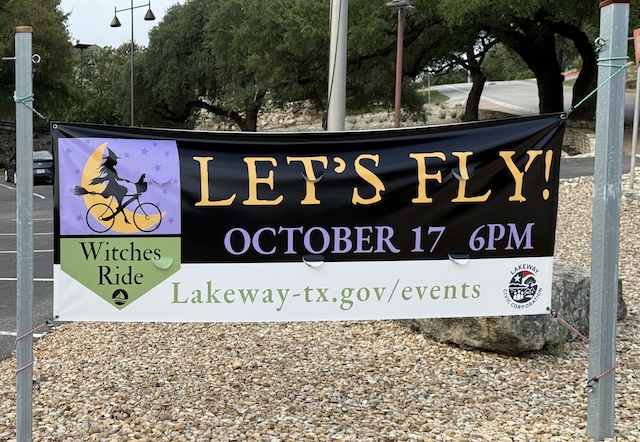 There’s the banner.
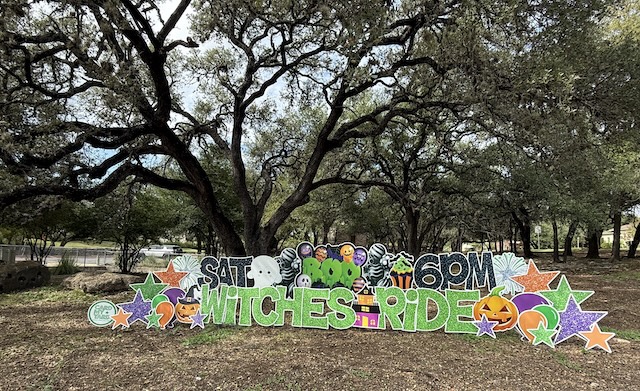 An announcement.
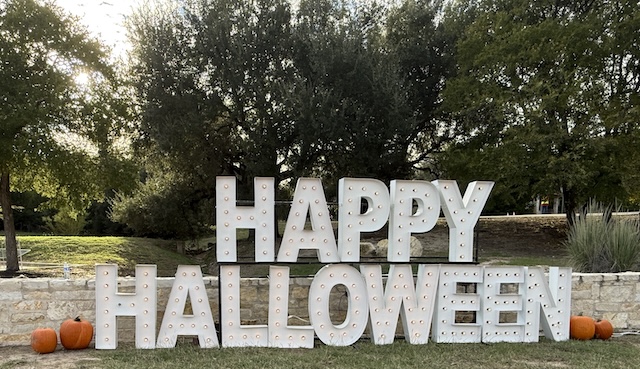 Happy Halloween.
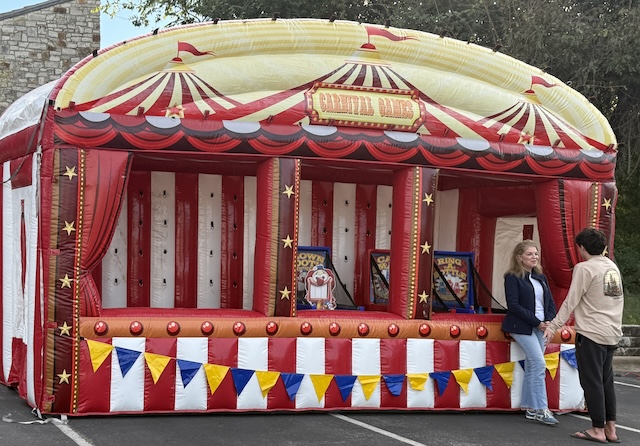 Carnival games.
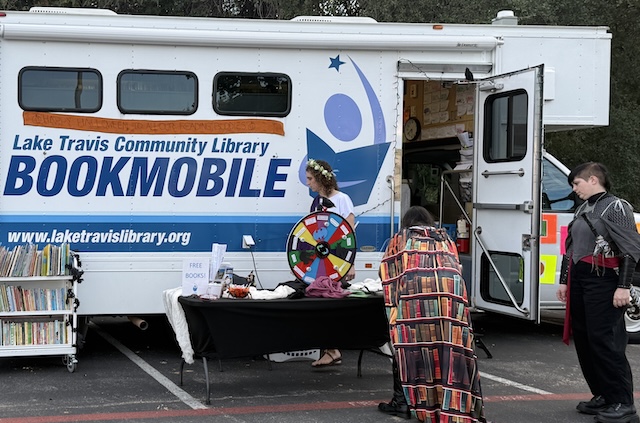 Bookmobile
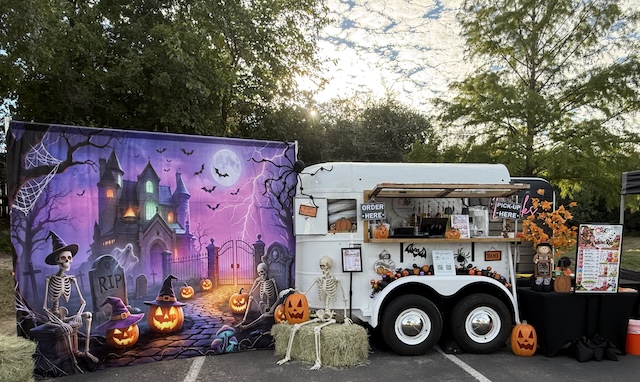 Sweet drinks
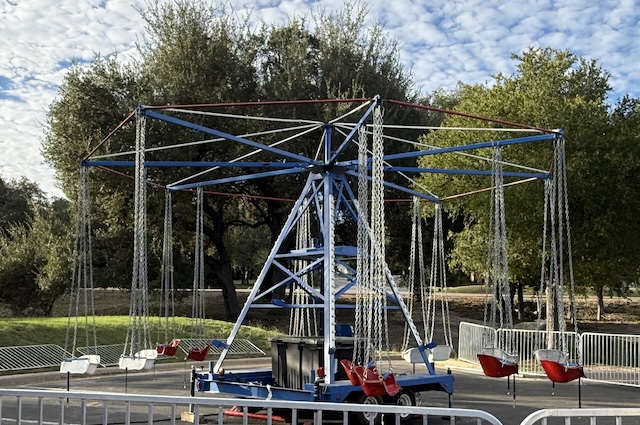 Carasol.
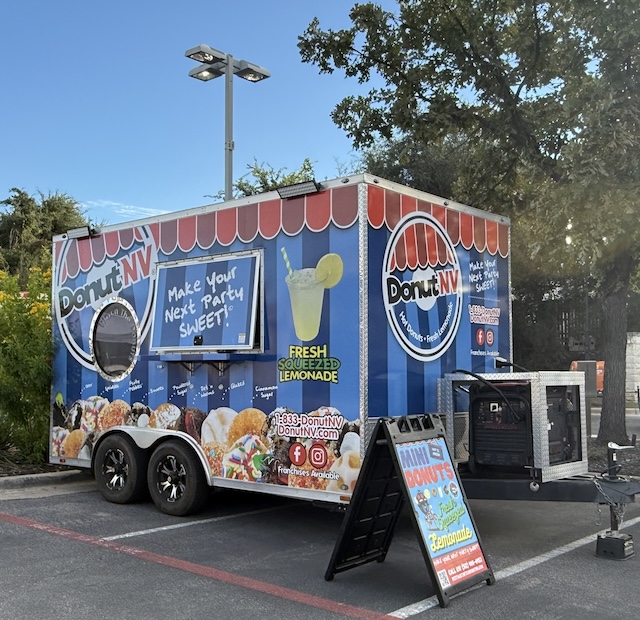 Donuts
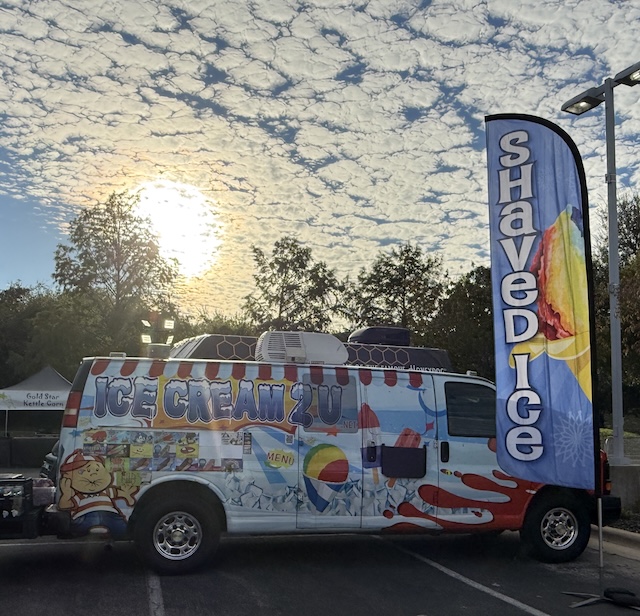 Shaved ice.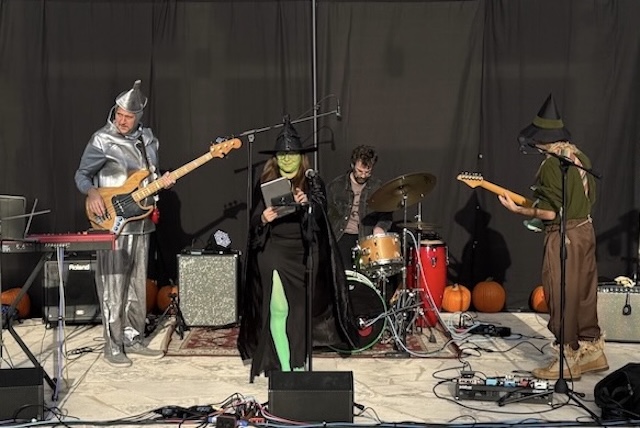
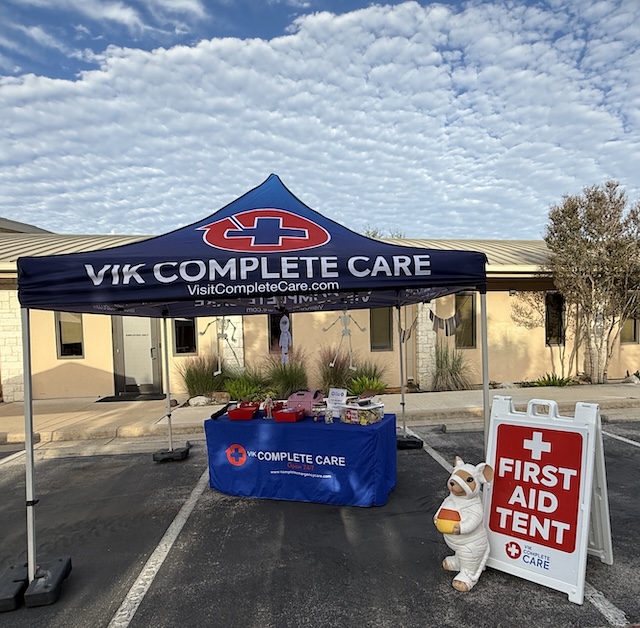
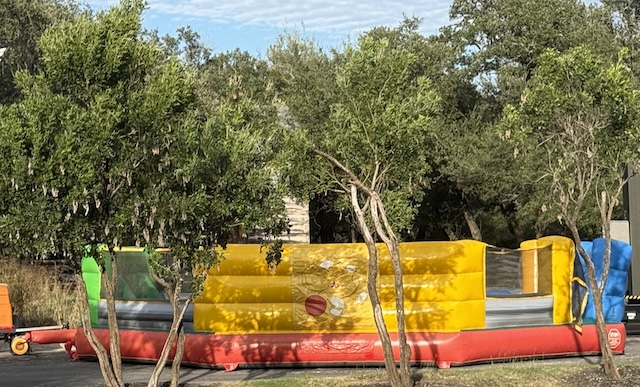 Jump set.
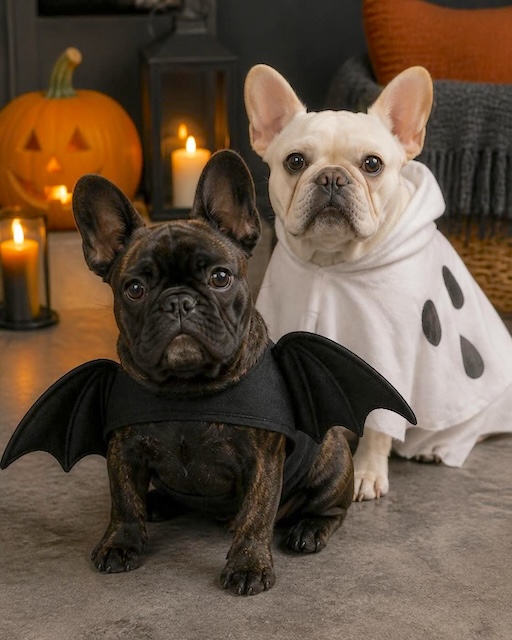
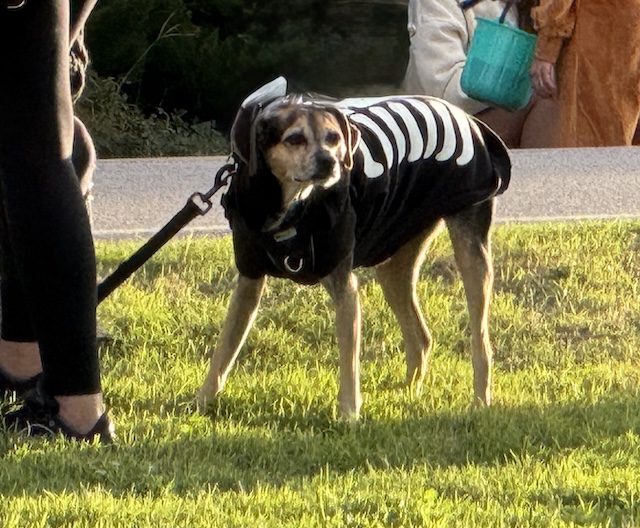 The dog in costume.
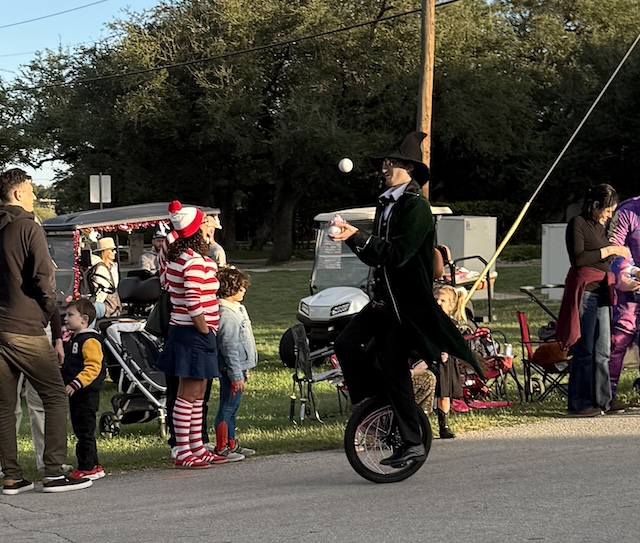 Unicycle and juggler
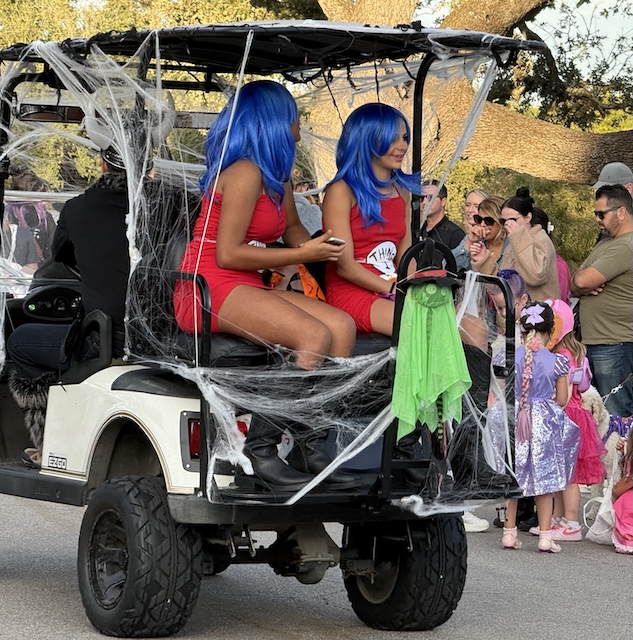 Great hair.
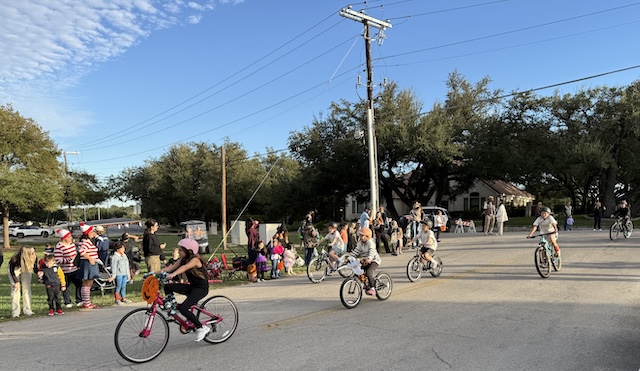 Bikes
Bikes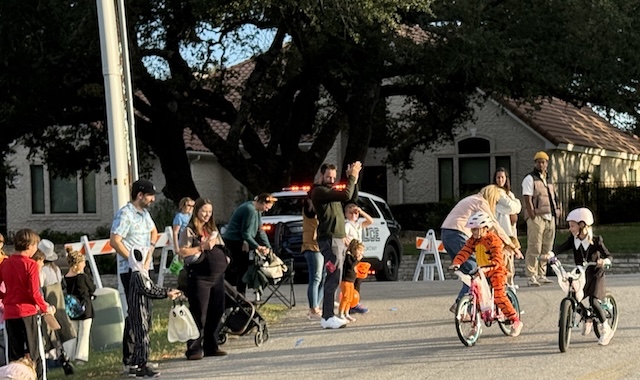 Tiger on wheels.
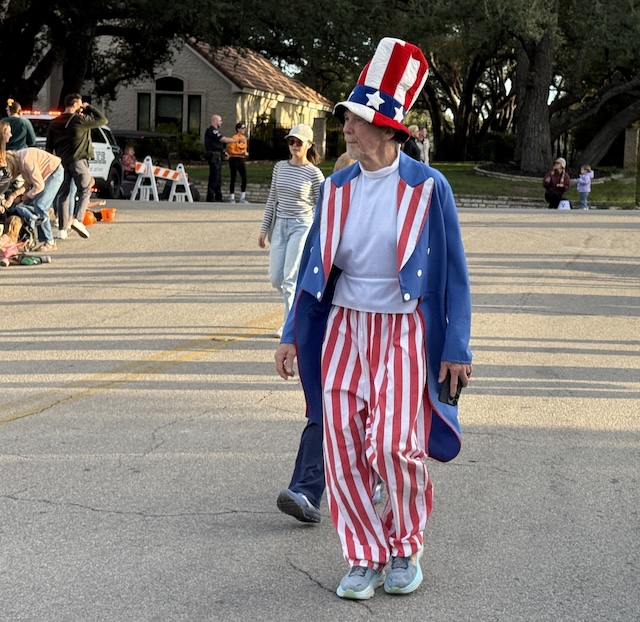 Uncle Sam.
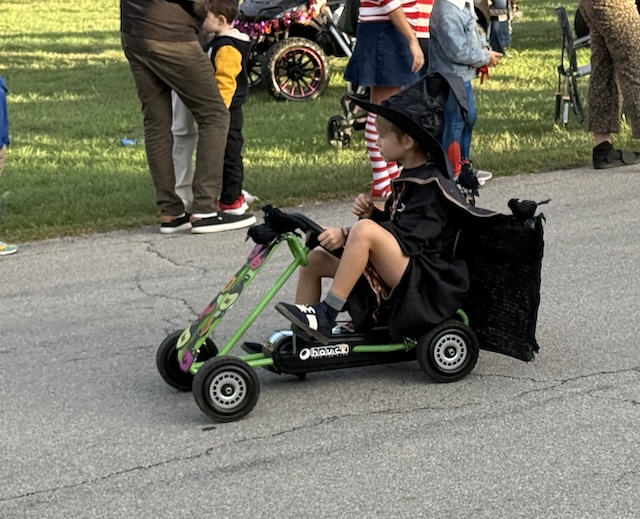 Leg-powered go-cart.
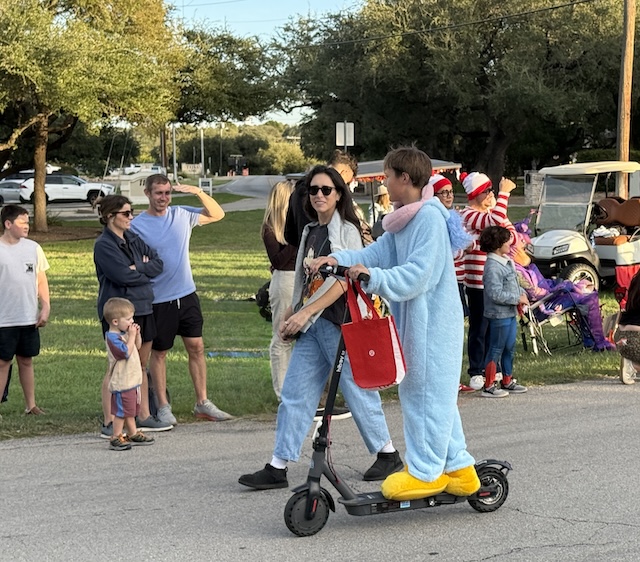 Scooter.
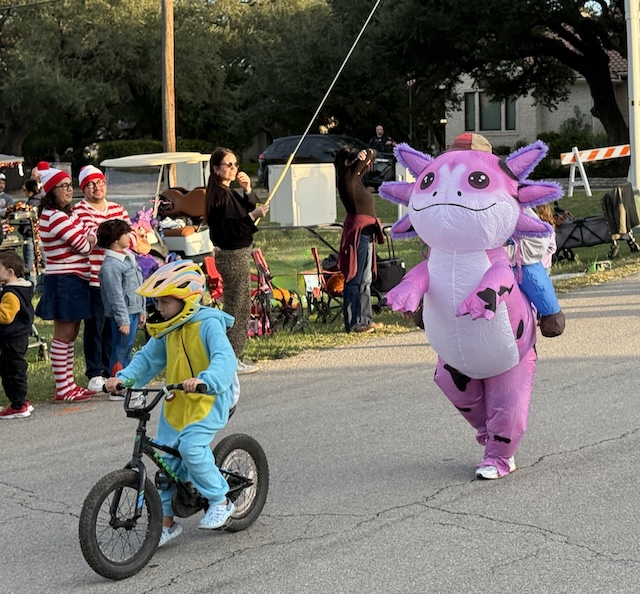 Characters
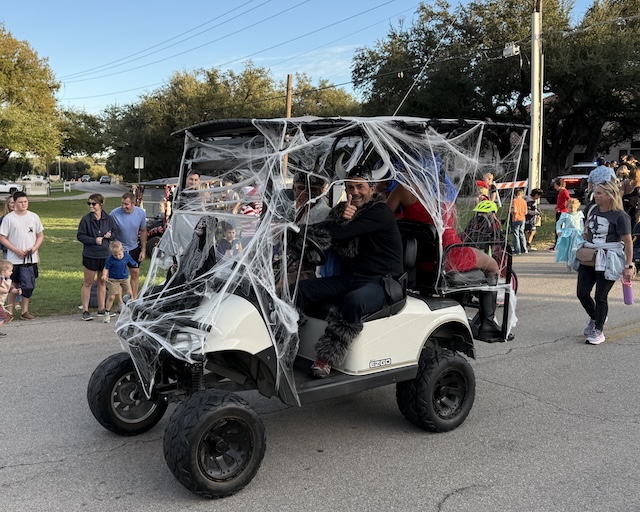 Cobwebs and thumbs up
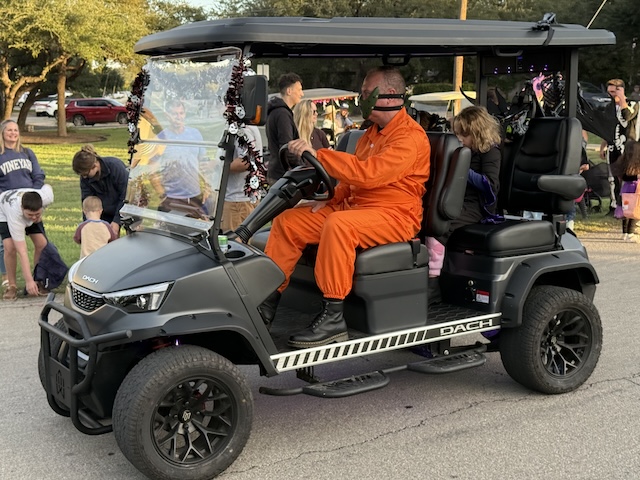 Silence of the Lambs throwback. Hannibal Lecter.
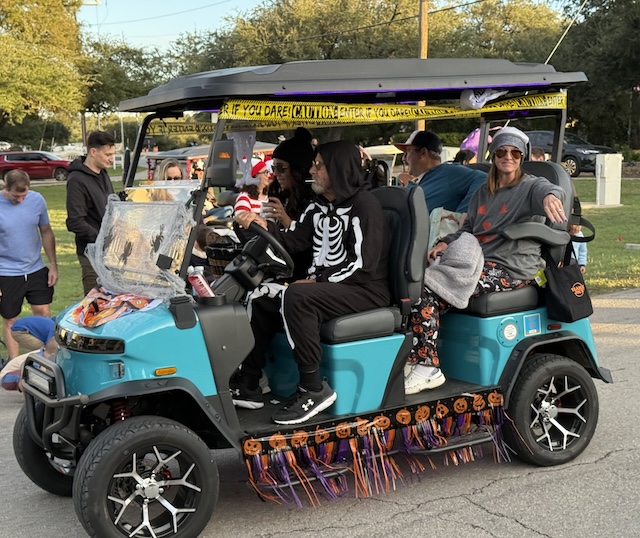 Happy-go-lucky golf cart.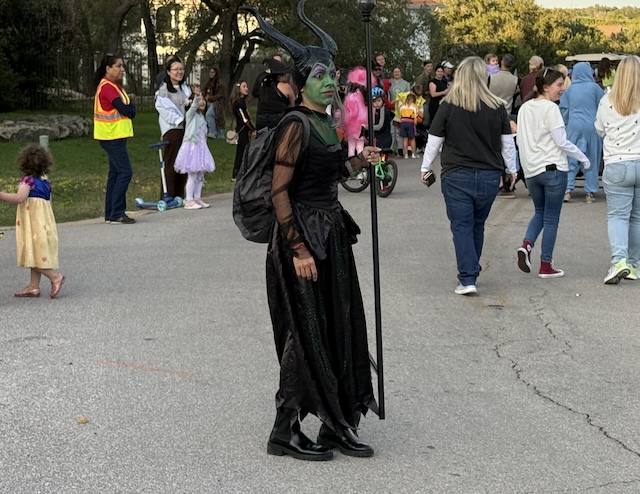

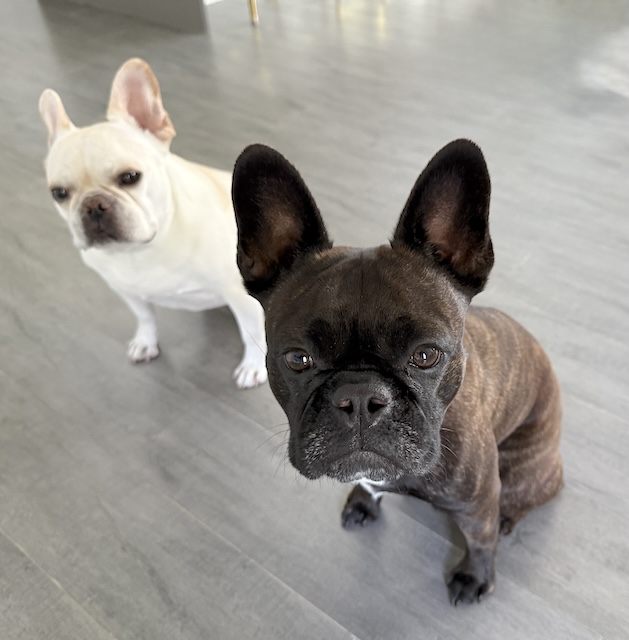 “Hey you Two. How about we try on some Halloween costumes?”
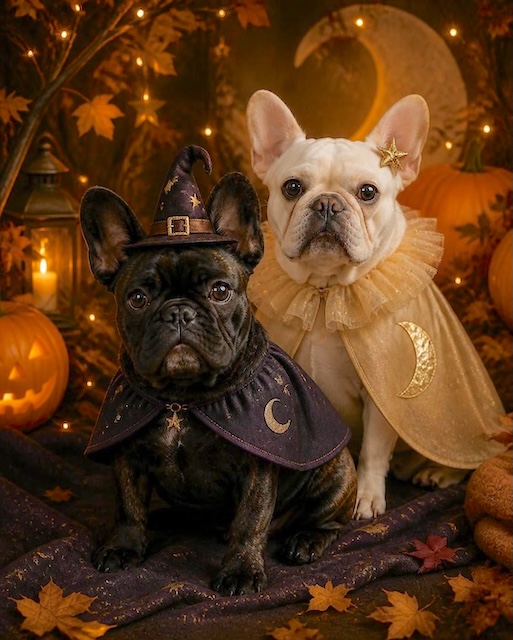 “Here’s the wizard look.”
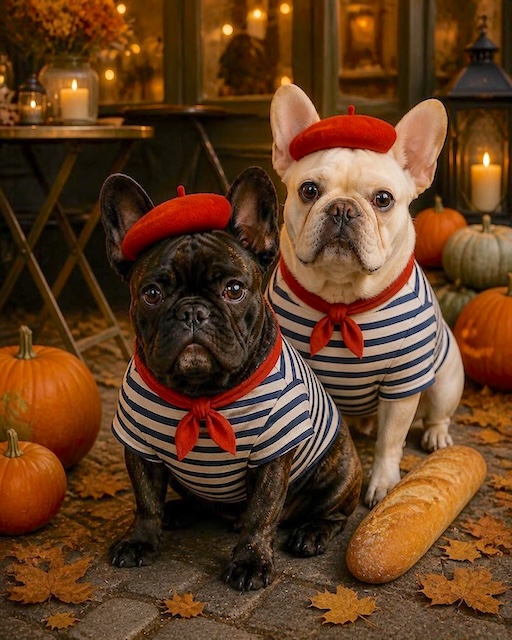 “Now here’s one. Non, Je ne regrette rien.”
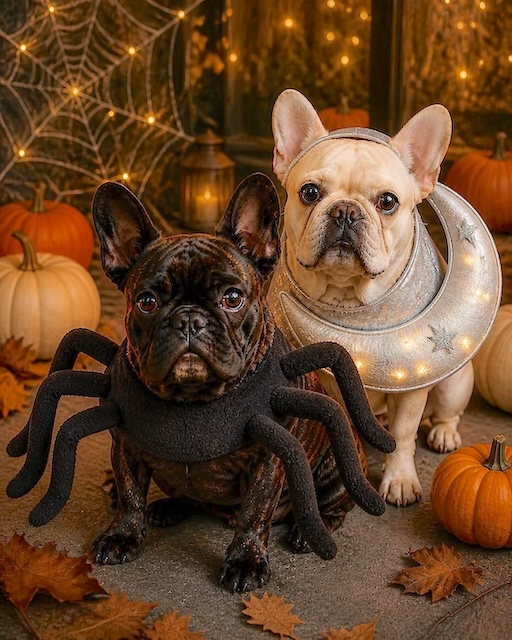 “This may be the one.”
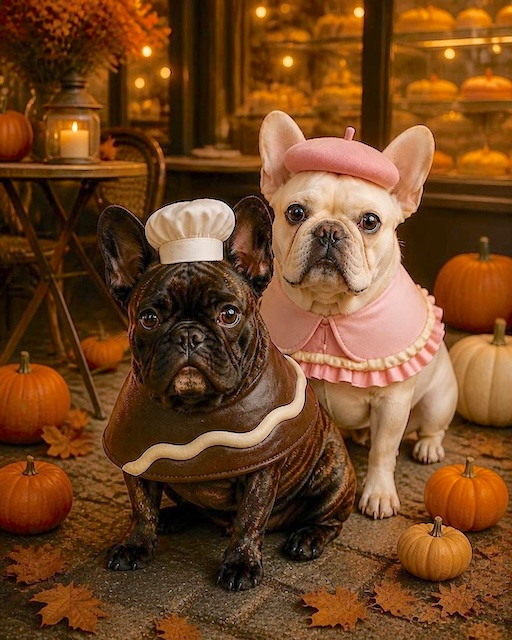 “How about cupcakes then?”
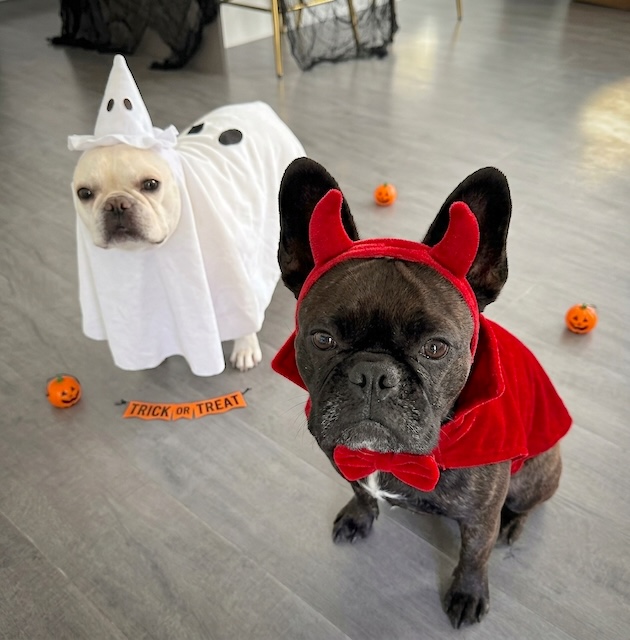 “A “Devil and angel?”
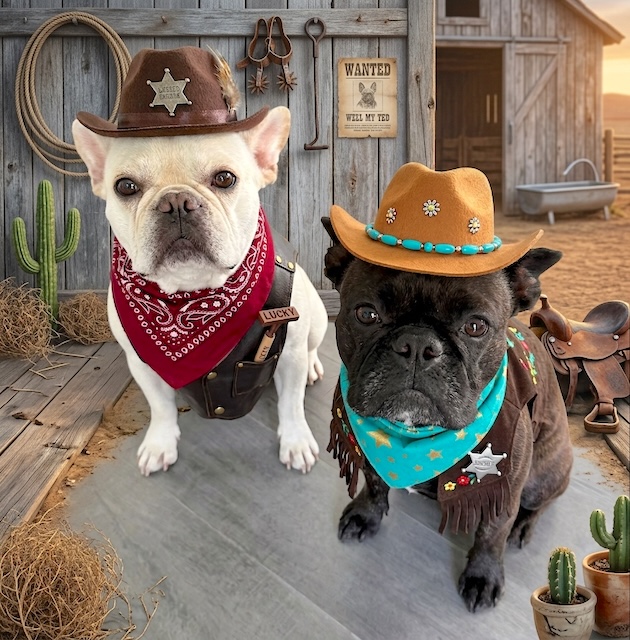 Here’s a winner. A couple of sheriffs.”
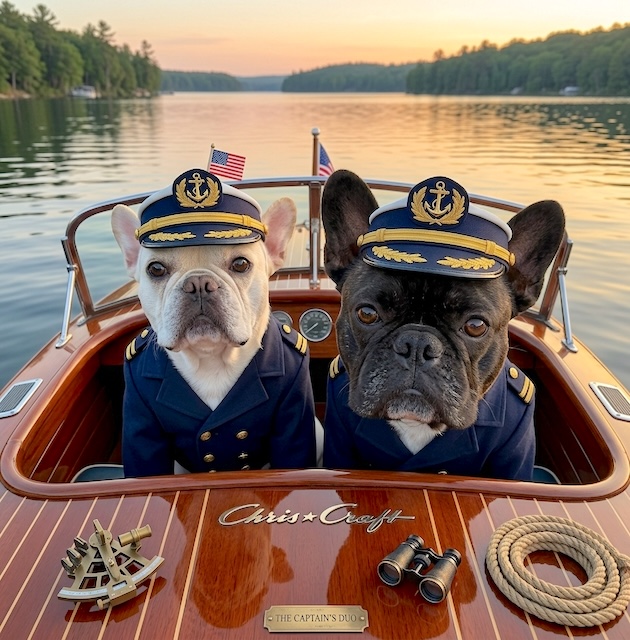 “Boat captains?”
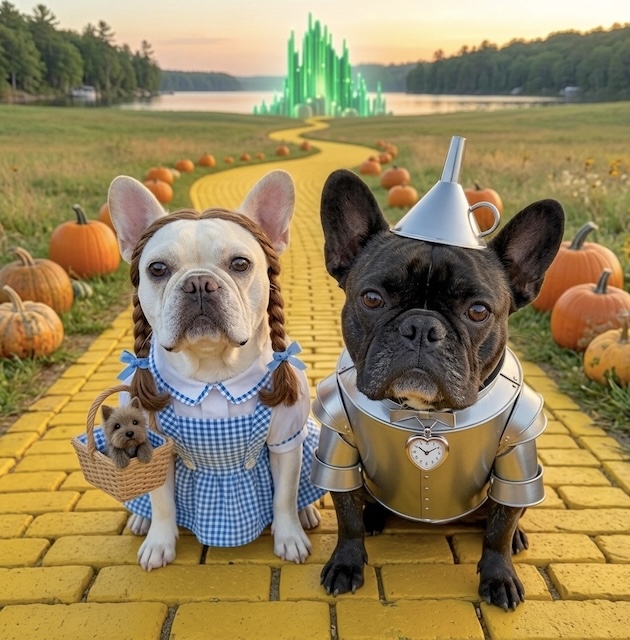 “The wizard of Oz looks good.”
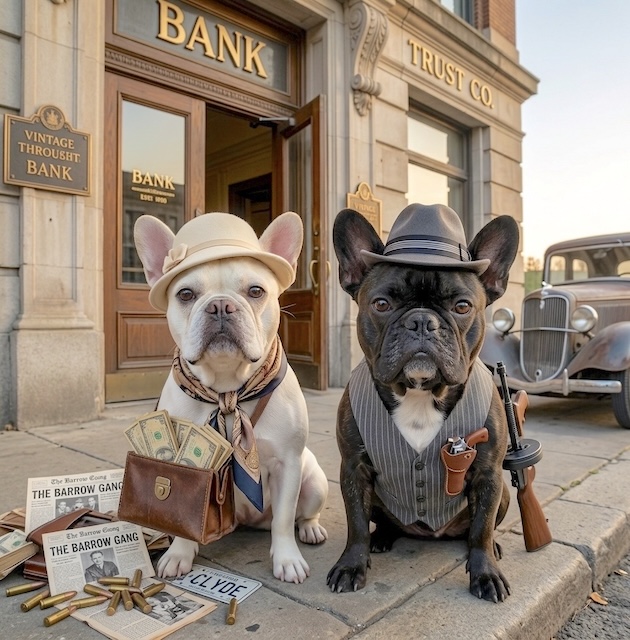 Ohhh. I like this one. Bonnie and Clyde.”
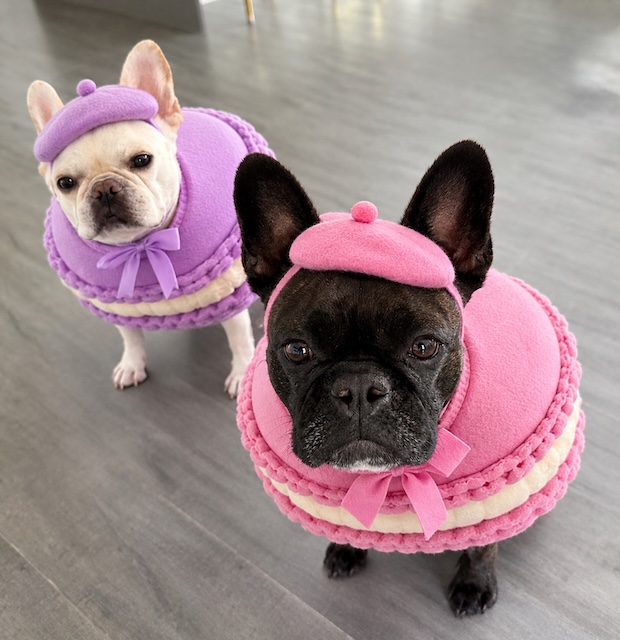 “Since you are French how about a couple of macaroons?”
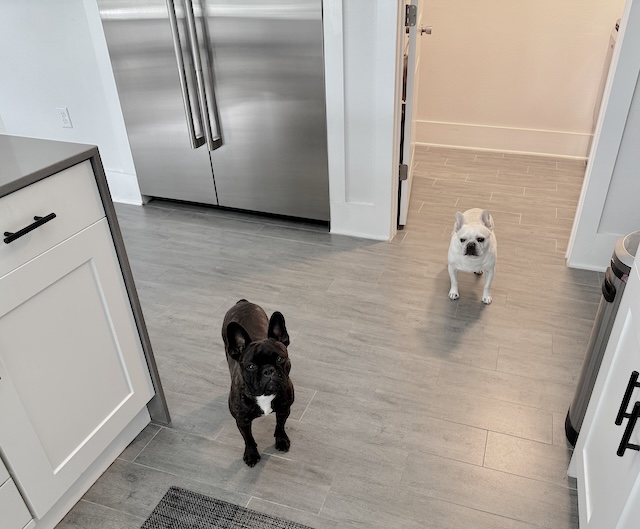 “Do you want to try a costume?”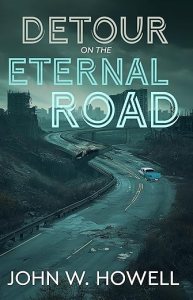
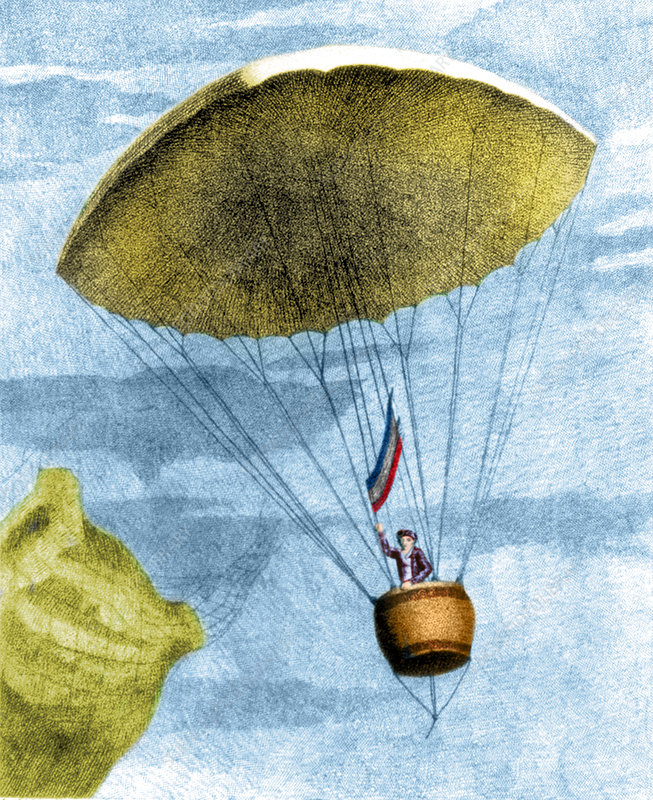
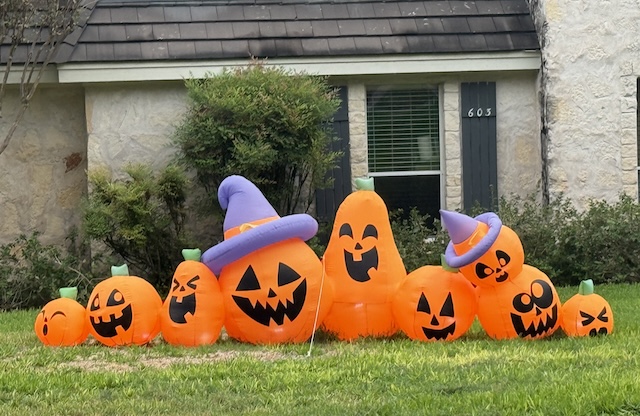 Happy Pumpkin Family.
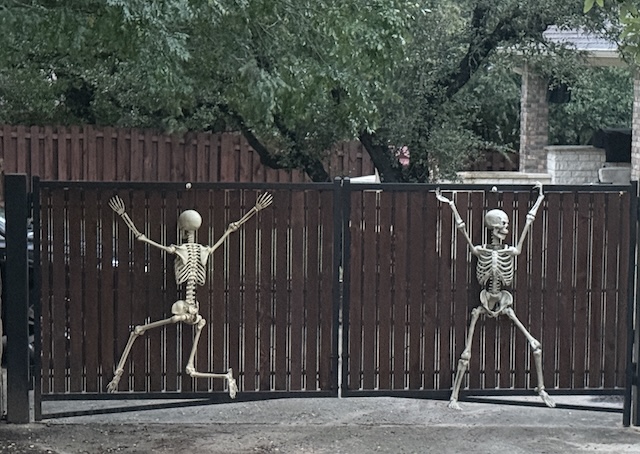 Looks like a dance contest.
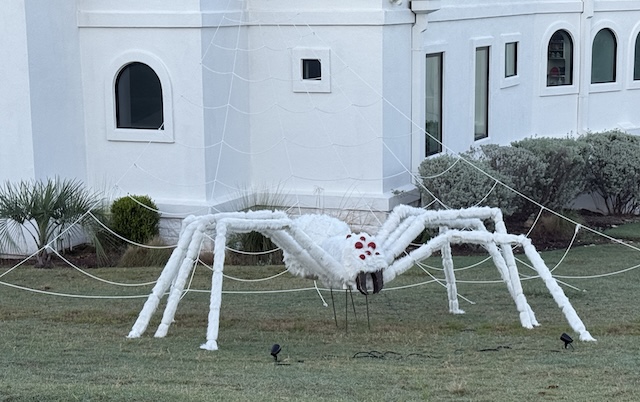 Giant white spider
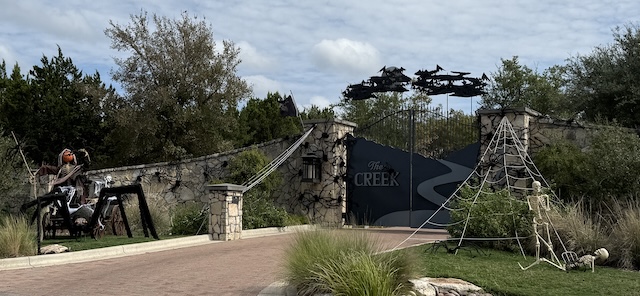 Big display
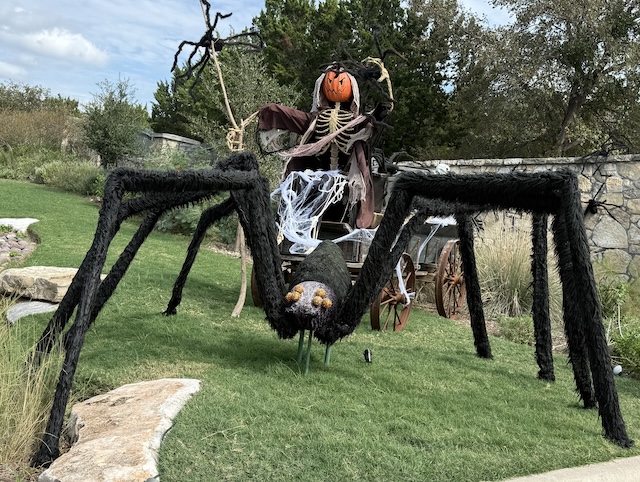 Giant black spider
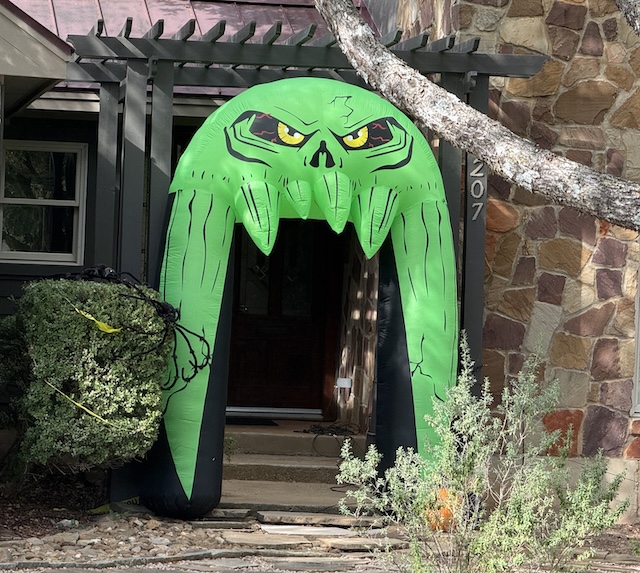 Welcome.
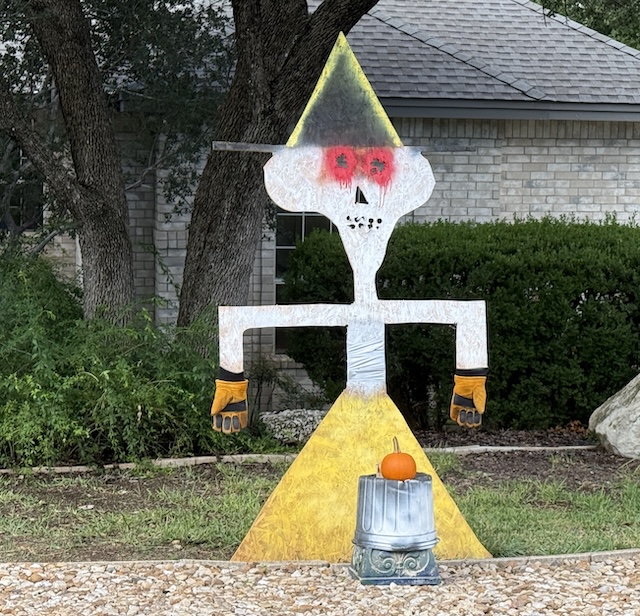 This one is a DIY.
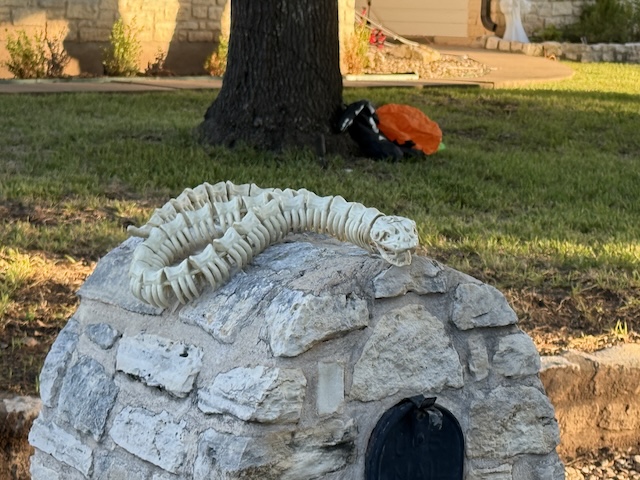 Nice snake..
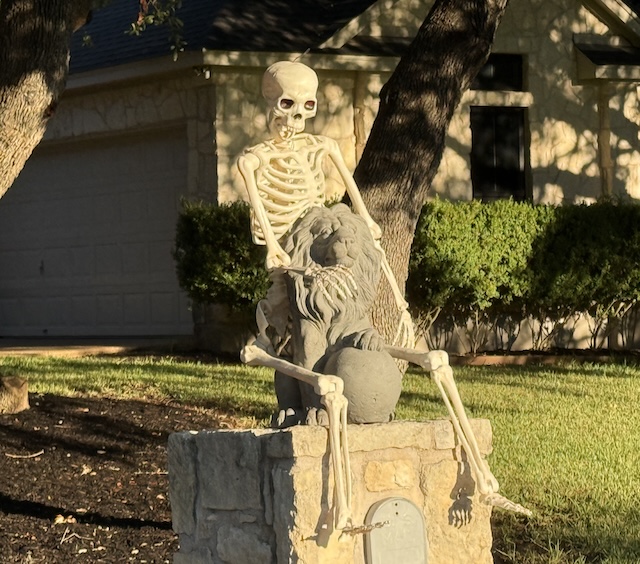 Skelly sunbathing on a lion.
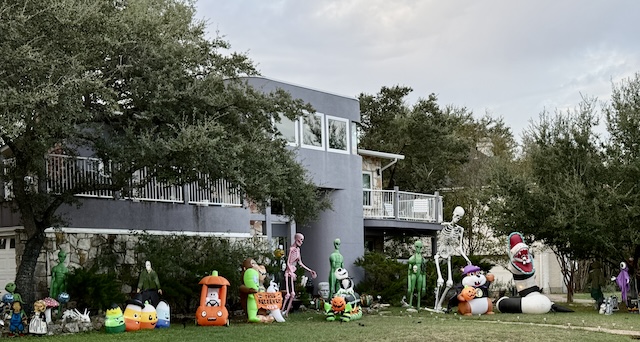 A major display every year.
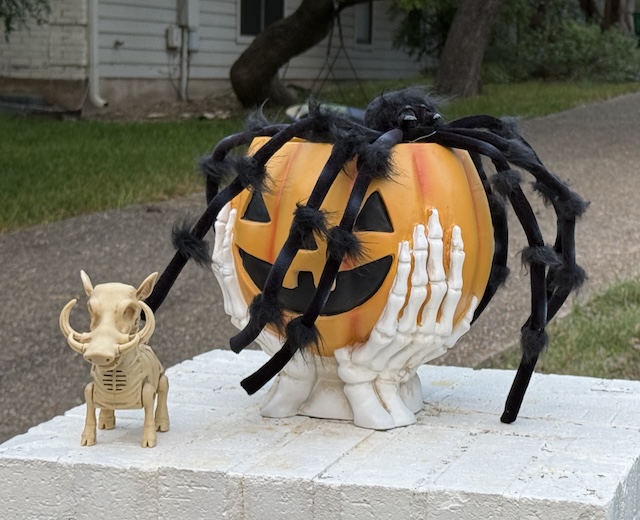 Warthog, a thinker, and a bad hair job.
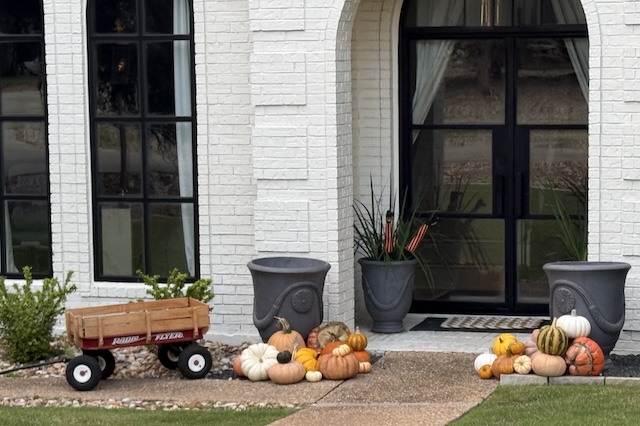 A nice fall display
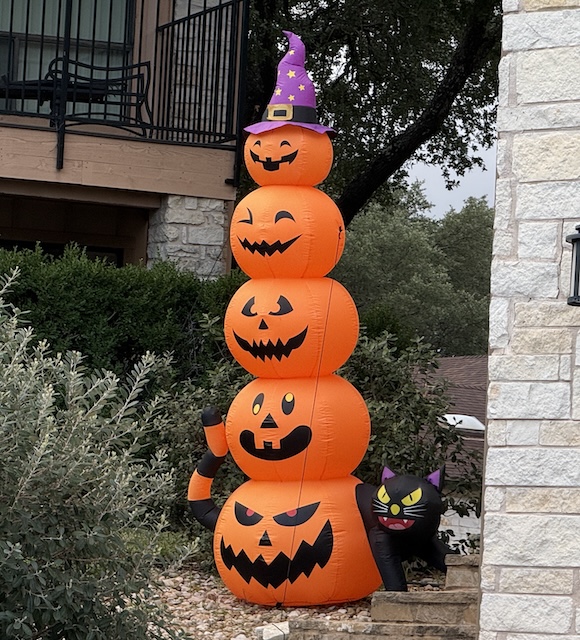 Might want to be careful here.
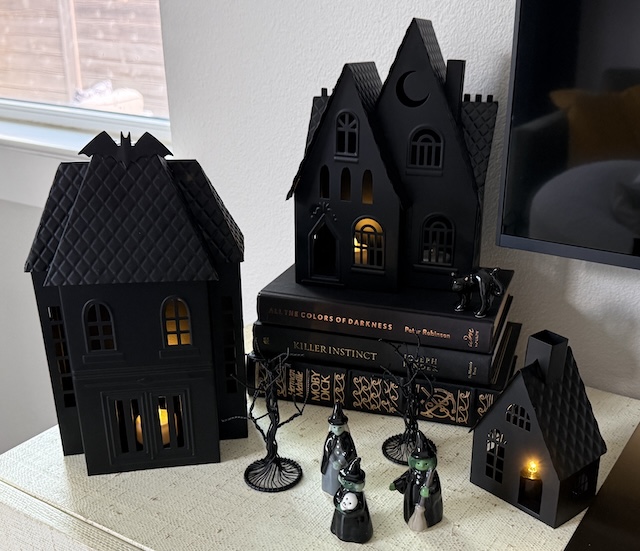 Daughter’s tabletop display.
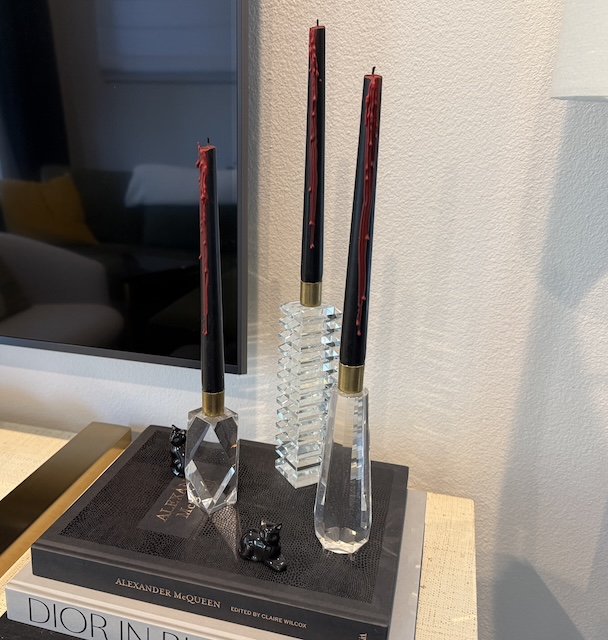 Candles that bleed.
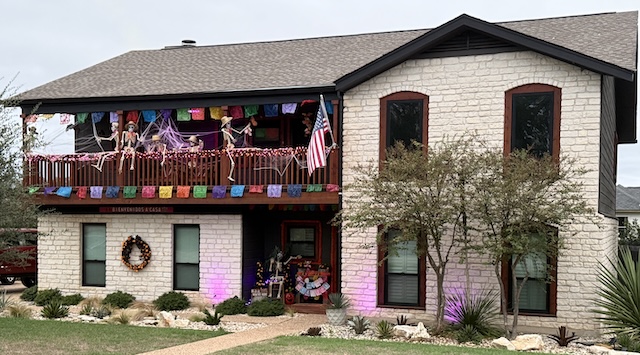 A pack of skellies.