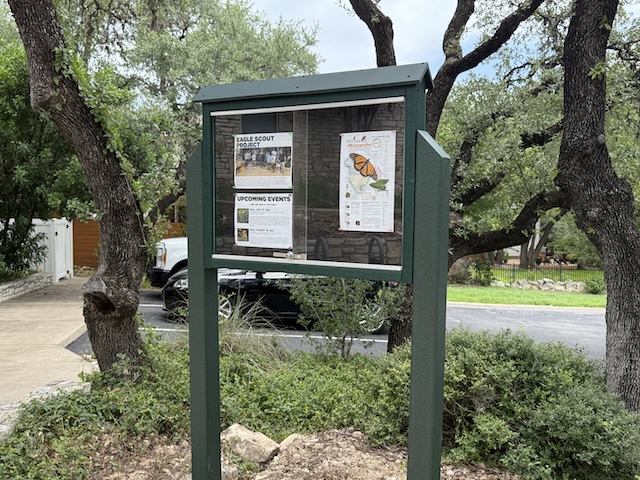
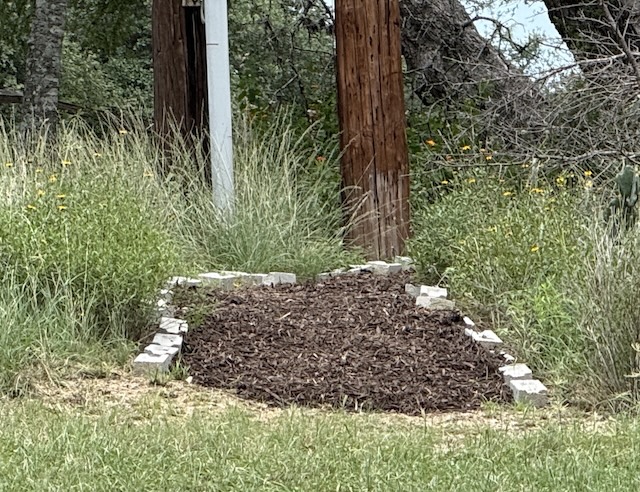
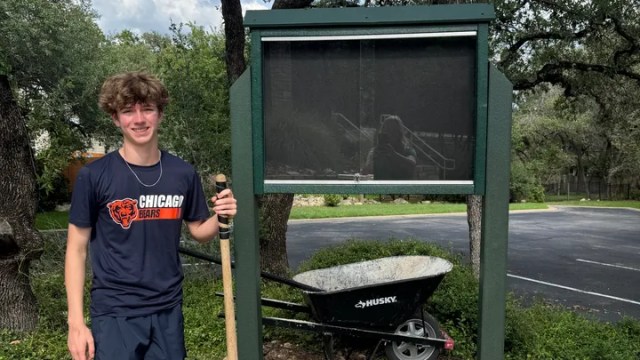
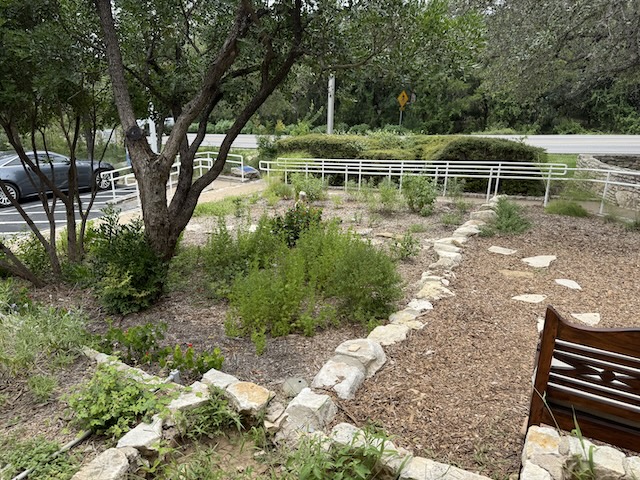
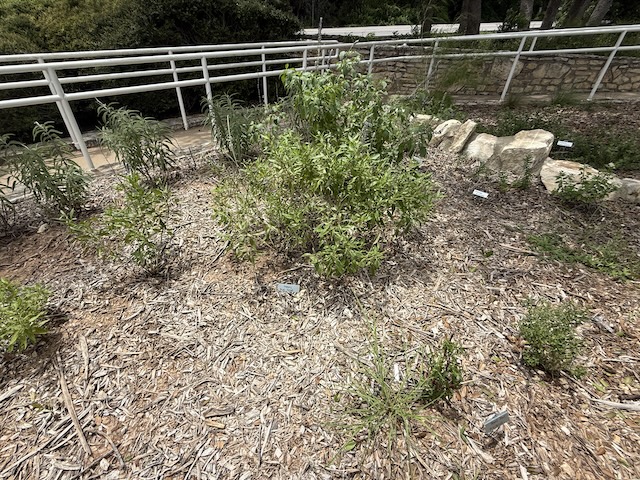
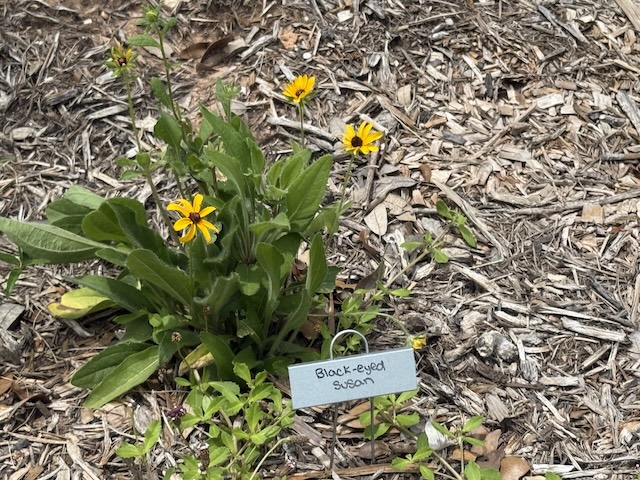
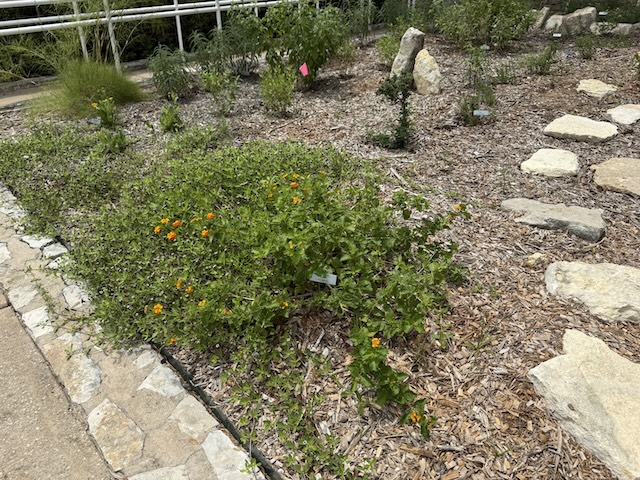
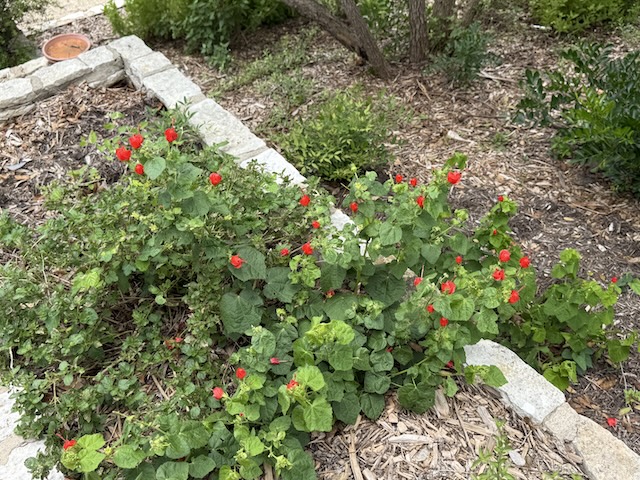
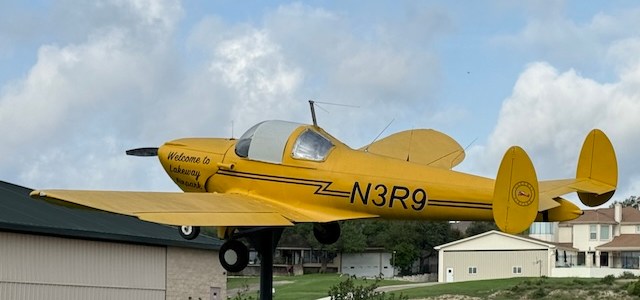
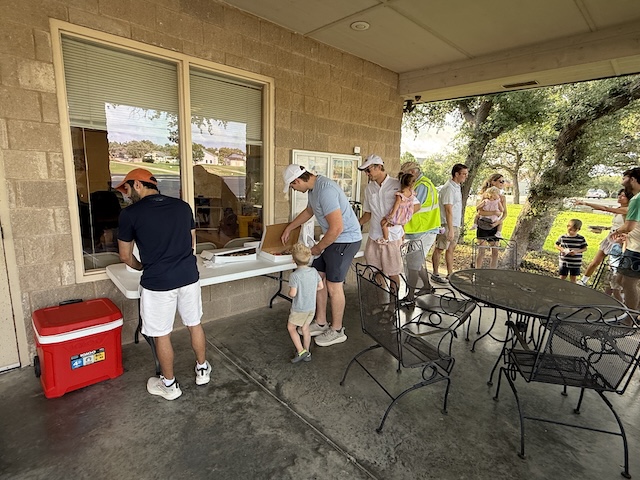
Today, we are visiting the Lakeway Municipal Utility District to take a look at a finished Eagle Scout project and to see how the native plant garden is progressing. We are catered by Garrison of Austin. Our entertainment is the Eagles (of course)
Menu
STRIP LOIN – Hasselback Potato, Green Garlic Aioli, Bordelaise
The quintessential Saturday would be a quiet cup of coffee, a book to read, and a mind soothing finish to a hectic week. Of course, this would require a machine that accepts the fact that it is a servant. Such a Saturday would also require peace and quiet without the jarring interruption that seems to be normal around here. A push of the coffee button produces a surprise. A cup of perfectly made coffee. Hmm there is something wrong here. Taking a sip knowing full well the Westminster chimes will rupture the peace. There is silence.
Taking another gulp of coffee gives the opportunity to grab the clock and set it for a time trip. The clock is set for July 27th.1925. The location is New York City and the time is 11:00. The duration is for an hour. When the plunger is pulled we are taken to Broadway where we are about to see the first autonomous automoble demonstration. And you thought driver less automobiles were a new thing.
The Houdina Radio Control Company, owned by Francis P. Houdina, is giving the first demonstration of a remote controlled automobile. Houdina equipped the driverless American Wonder, a 1926 Chandler car, with a radio antenna and a receiver.
With transmission from another car immediately behind the wonder, The Wonder is guided in New York City. The route goes up Broadway Street and, after a turn, back down Fifth Avenue. The tension rises as the remote controlled car narrowly misses several other vehicles before crashing into a sedan.
Not wanting to wait around for the aftermath the alarm is tripped and we return quickly to the couch. There is a text waiting from Linda Hill. It reads Your Friday prompt for Stream of Consciousness Saturday is “starts with Q.” Think of a word that starts with the letter Q and write your post around it. Use it any way you’d like. Have fun!
Today’s good news comes from the BBC and was sent to me by Noelle Granger. The following is a condensed version of the article. You can see the full article HERE.
‘We’ve raised thousands’: The pickle-shaped ‘janitors’ cleaning Filipino reefs
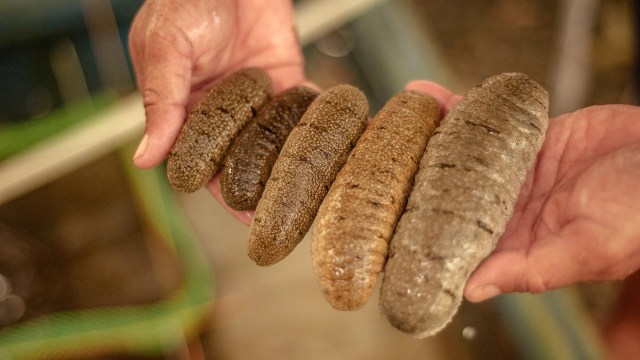
Sea cucumbers, or ‘janitors of the sea’, scour and clean the seafloor, allowing other animals to thrive. In the Philippines, a group of women stand guard to help them multiply.
Aweng Caasi, a 61-year-old widow, often sits for hours in a wooden hut towering over waist-deep waters in Bolinao, a small town some 300km (190 miles) north of the Philippines’ capital of Manila.
The hut serves as a guard post for fisherfolk protecting a sea ranch filled with sea cucumbers. These unique-looking bulbous brownish-green animals have taken them years to raise.
Caasi’s late husband, Ka Artem, was the leader of the fisherfolk group in the village of Barangay Victory in Bolinao that worked with scientists to build the ranch almost two decades ago. They hoped to replenish the supplies of these pickle-like creatures, which once swarmed these waters. Today, Caasi carries on this legacy.
When Caasi was still in her teens, the Philippines was the top producer of wild sea cucumbers – between 1985 and 1993, it exported some 3,000 to 4,000 tonnes. But overexploitation and overfishing led to a sharp decline in stocks. In the 1980s, fisherfolk in Bolinao and its neighbouring island town, Anda, were collecting up to 100kg (220lb) of sea cucumbers per person per day. The daily per-person catch plummeted to just 25kg (55lb) a decade later, and by 2002, to a measly 2.55kg (5.6lb).
The waters around Caasi’s home, once crowded with the cucumbers, had become barren.
Apart from their economic value, sea cucumbers provide benefits for the environment. Commonly referred to as the janitors of the sea, they clean sediments in the seafloor by eating bacteria and decaying organic matter, and recycle nutrients that benefit ecosystems. Their presence has even recently been found to suppress diseases among corals. Bolinao and its neighbouring towns are known for their rich marine life, which includes a 200 sq km (77 sq mile) coral reef area that provides benefits to residents through shoreline protection, fisheries, aquaculture, and tourism.
Annette Meñez, a marine invertebrate ecologist at the University of the Philippines Marine Science Institute (UPMSI), reached out to the Bolinao fishing communities in the early 2000s to ask if they would like to try co-designing a system to restore the town’s sea cucumbers. Meñez has been researching marine invertebrates with UPMSI since the 1980s, including how to help Bolinao’s fishing communities replenish their stocks of sea urchins and giant clams. She also now co-chairs the sea cucumber specialist group of the International Union for Conservation for Nature’s Species Survival Commission.
The university ventured into sea cucumber conservation when it observed the cucumber population shrinking. Meñez says the fishers back then would harvest small sea cucumbers before they were mature enough to reproduce.
In July 2009, less than two years after the first juveniles were sent out in December 2007, the Bolinao farms recorded significant boosts in sea cucumber stocks. Over 19 months, the population had jumped from around 400 to more than 5,500 individual sea cucumbers. The number of reproductively mature adults also climbed from 37 per hectare seven months after the release, to 249 after 19 months, due to mass spawning. As of the latest record in 2024, the ranch has a density of 4,415 sea cucumbers or 883 individuals per hectare, according to UPMSI.
As well as observing an increase in sea cucumbers, the farmers saw a rise in the presence of other animals. Gemma Candelario and Marivic Carolino, who raise mangroves in a neighbouring village, started monitoring and guarding cucumbers in their area in 2022. Within two years, they say, they noticed more species of sea cucumbers and fish arriving.
“The sea cucumbers would eat waste [cleaning the ecosystem] so that’s why more fish would appear,” says Candelario. “Some fish would lay eggs in our mangroves, and other animals would appear, such as crabs and shrimp… So this is a big help for us fisherfolk.”
The researchers from all the sea cucumber farms emphasise that the social impact on the communities was their most valuable milestone. “For me, resilience is not just resilience of ecosystems,” says Meñez. “It has to be the resilience of the coastal communities and the ecosystems they depend on.”
The good news in this story is that the Sea cucumbers are making a comeback with the help of concerned humans. Today’s JohnKu discusses humans’ role in helping the environment. I hope you have a great weekend.
Today, I randomly opened Detour on the Eternal Road to page 107 and, with my eyes closed, pointed to the page. The word closest to my finger is “everything.” That is the prompt for today.
This post was run on March 31, 2014, and created by Marie Ann Baily and me. I think it might still be good advice.
Top Ten Things Not to Do When Bowling, Golfing, Playing Tennis, or Eight Ball with Friends
10 When playing sports with friends, do not laugh at a missed shot. If you do, at best, they may laugh at you in turn. At worst, you may be wearing an embedded racket, club, or bowling ball on your trip to the hospital.
9 When playing sports with friends, do not play doubles with your spouse as a partner. If you do, at best, you will have a small argument about the missed shot. At worst, you might just end up asking your friends for a marriage counselor recommendation before the game is over.
8 When playing sports with friends, do not try to adjust the score to make your team look better. If you do, at best, you will get caught and look foolish. At worst, you may just win as a result of cheating and will need to atone for your indiscretion someday.
7 When playing sports with friends, do not try to avoid paying your fair share of the expenses. If you do, at best, you will be eventually found out and will have to pay anyway. At worst, your friends will figure out a way to stick you with a bill when you least expect it, which will require a bank loan to cover.
6 When playing sports with friends, do not purposefully try to outspend them on equipment and clothing. If you do, at best, your play quality will need to match the price of your clothing and equipment. At worst, your friends will come to some conclusion about your self-esteem, which may or may not be accurate.
5 When playing sports with friends, do not drink too much alcohol, especially if you are playing mixed doubles. If you become over-served, at best, you may be the cause of the team’s loss. At worst, you may just lose all inhibitions and decide to tell your friends and spouse what you really think of their playing ability, which will make for a quiet ride home and a bad morning after.
4 When playing sports with friends, do not come up with the idea to put money on the game. If you do, at best, you will only win a few dollars. At worst, you may lose a few friends.
3 When playing sports with friends, do not set yourself up as the rule cop. If you do, at best, everyone will get tired of your reminders. At worst, you may find yourself gagged and tied up on the twelfth green with a note to the groundskeeper to let you go if you promise not to say anything more about the rules.
2 When playing sports with friends, do not be the one who decides which game to play. If you do, at best, you will be blamed if the events turn out badly. At worst, you might be forced into a role of peacekeeper since everyone will assume the thing went badly because you suggested it.
1 When playing sports with friends, try to remember that the purpose of the game is to have fun. If you don’t, at best, you will be miserable. At worst, all those around you will be miserable as well and may not want to play with you anymore.
Approaching the coffee machine with trepidation is necessary, given past troubles. The touchscreen appears normal, and the system status lights are all green. Today may be a day of peace after all. A touch of the two coffee buttons brings the normal function of my dear friend to life. Sure enough, a cup is delivered. The first sip lets my bleeding brain know salvation is at hand. The neurons finally stop their light show, and calm spreads throughout the gray land. The second sip is followed by the jarring intrusion of the Westminster chimes, indicating that once again, some idiot has ignored the “Do not ring the doorbell” sign.
A Bennie bone tossed into the soundproof room and slamming of the door puts an end to the eardrum pain caused by the painful octave reach of the Frenchie bark version of “Danger Will Robinson.” Looking at the security system monitor screen, I see what appears to be a pig dressed in human clothing. “What do you want?”
“D-d-d-d-delivery f-f-for J-J-John.” “Can you leave it?” Of course, as the words left my mouth, the answer was well known. Of course not. Heaving a sigh, the security system shutdown process has begun. The SWAT team needs to be put on standby. A quick text to the leader confirms that status. Also, the flight of A-10 Warthogs must be diverted. Another call to the commander puts that worry to rest. The SEAL team needs to be called off, and a call to the leader makes that possible. The control panel simplifies the shutdown process of the security system. The boiling oil vats are put on standby, the turret mortars disengaged, the Trebuchet on safety, the concertina wire rolled, the Claymore mines reset, the tower Gatling guns on safety, the moat net dropped, the alligators fed, the IEDs and shoulder-held rockets put away. The Proton torpedoes switched off. The locks on the door are thrown. And the door opened.
“S-s-sign h-h-here.” We swap, and when turning to go back inside, the pig says, “What, no tip?” “Use a seven iron to chip up to the green,” is the reply. The pig bears his teeth, and the door is slammed before things get nasty. The delivery is from Linda Hill. The message reads, Your Friday prompt for Stream of Consciousness Saturday is “chip.” Use it as a noun, use it as a verb, use it any way you’d like. Enjoy!
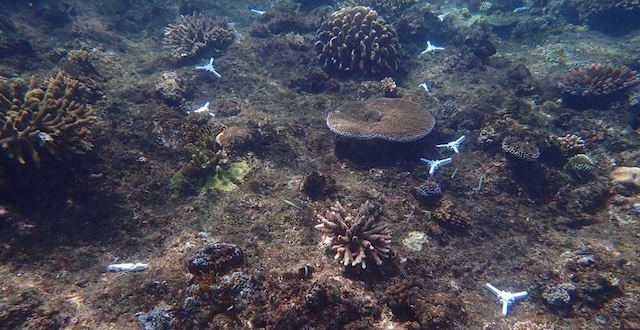
In the Maldives, a mobile coral spawning system has been trialed with scintillating success, as 10,000 juvenile corals were grown by local operators.
It represents not only a major hope that island nations can abate the loss of coral reefs, but also that the spawning system’s $1.5 million grant investment was well-spent, and that an expansion in production of the technology could well be warranted.
Co-developed by the Australian Institute of Marine Science (AIMS) and the Maldives Marine Research Institute (MMRI), ReefSeed is a shipping container-sized, portable, seaside spawning laboratory for coral.
Designed to allow local marine scientists anywhere in the world to spawn and grow coral for reef restoration in weeks rather than months, and to operate without external power sources or the need for divers, ReefSeed received $1.5 million from the G20 Coral Research and Development Accelerator Program.
It passed its recent acid test with flying colors, as the MMRI was able to use a single containerized ReefSeed unit to spawn 3 million larvae during a single spawning season, which were then developed into 10,000 juvenile corals.
These corals were then deployed via 720 seeding devices across 9 different reefs. It was done without any of the AIMS experts present, proving its utility doesn’t require expertise in the system.
The spawning took place on Maniyafushi island in the South Malé Atoll of the Maldives, and AIMS coral reproduction scientist and ReefSeed co-lead, Dr. Muhammad Azmi Abdul Wahab, said the plan was to offer ReefSeed to as many other island communities as possible.
“We have learned much from working with colleagues at MMRI, which will help us make improvements in the training and refinements in the way the system itself can work,” Dr. Wahab told Oceanographic.
“Coral reefs in the Maldives sustain communities and livelihoods, but like coral reefs globally, they have been impacted by bleaching driven by climate change. Innovations like ReefSeed can play a role in supporting restoration efforts, providing hope for these communities.”
MMRI scientists were invited to the Great Barrier Reef to witness, alongside their AIMS colleagues, the autumn spawning season on the world’s largest reef, something which GNN has reported before has to be seen to be believed—like the shaking of a giant snowglobe.
There, they learned the fundamentals of coral spawning that they would take back to Maniyafushi Island and their ReefSeed station.
The good news in today’s story is that the precious coral that is being lost can become sustainable. Today’s JohnKu talks about our oceans. I hope you have a terrific weekend.
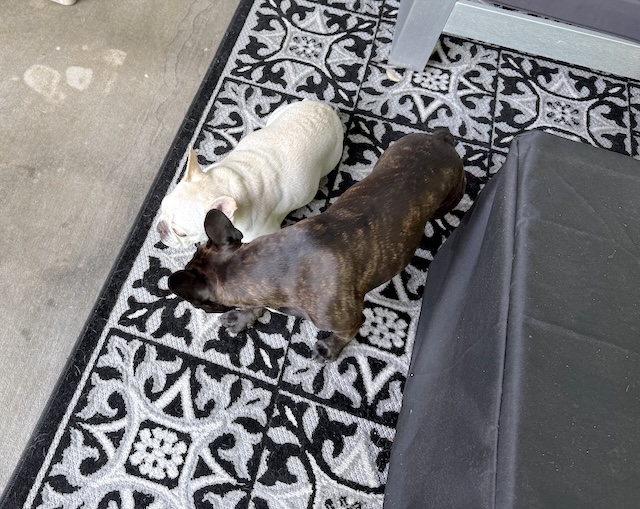
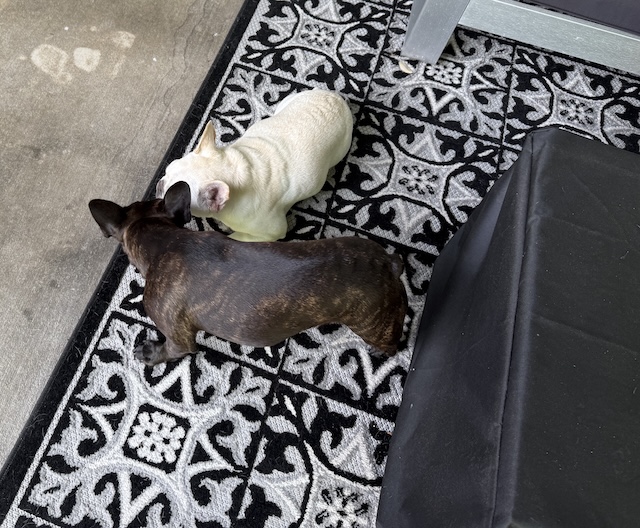
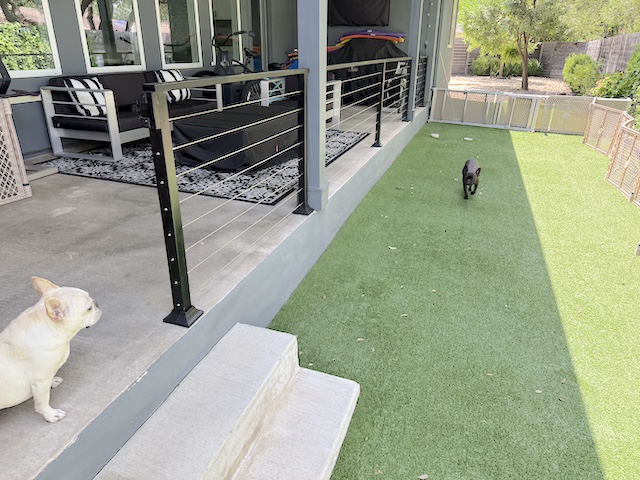
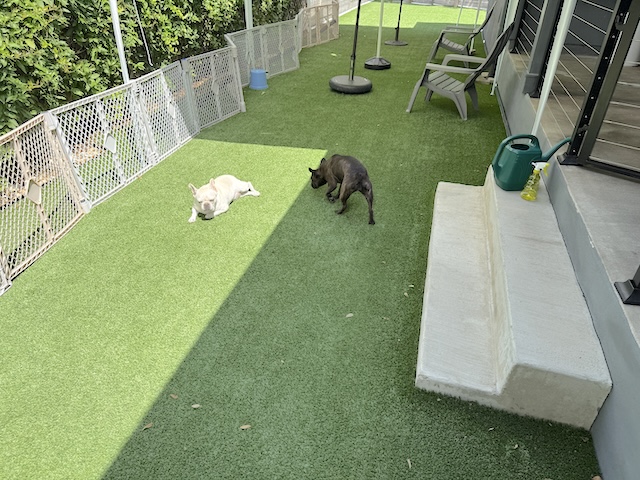
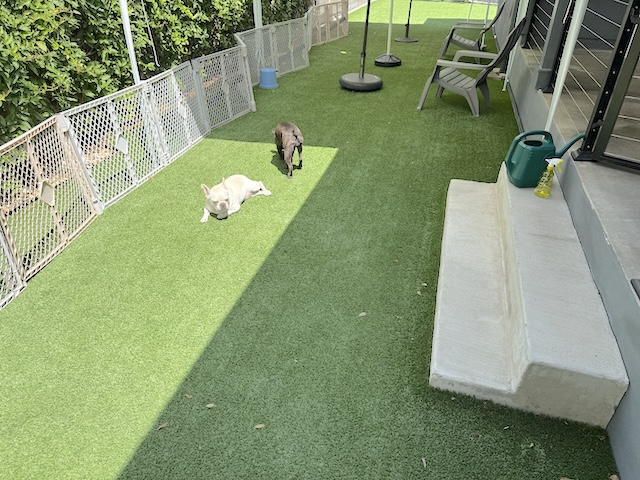
Usually, I roll right into the story, but I must let you know that Twiggy has had an ear infection and a bout of Bell’s palsy. Her symptoms of the ear disease were an unsteady gait and holding her head tilted. This happened when she got up this past Saturday morning. The Producer took her to the emergency vet, and because she was not in a life-threatening condition, the Producer had to wait over five hours. During that time, the symptoms of Bell’s palsy appeared. The right side of her face shows signs of paralysis, and her muzzle is drooping. Once this condition became visible, she was taken into the clinic. She is currently being treated with medication for her ear and is showing signs of improvement. They do not know what causes the palsy, and the symptoms usually subside over time.
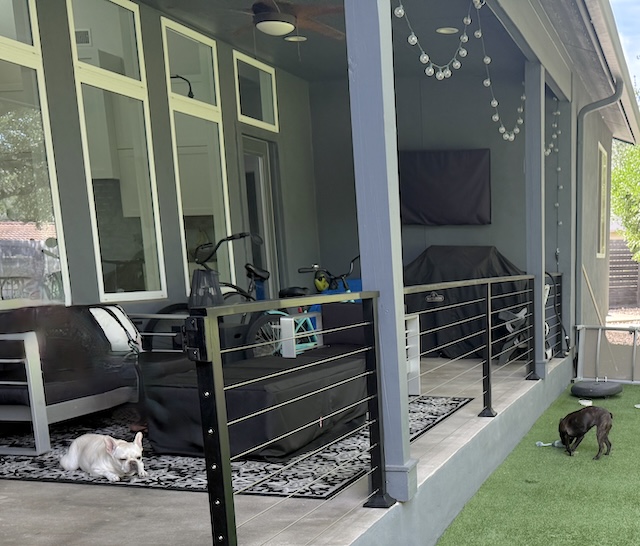
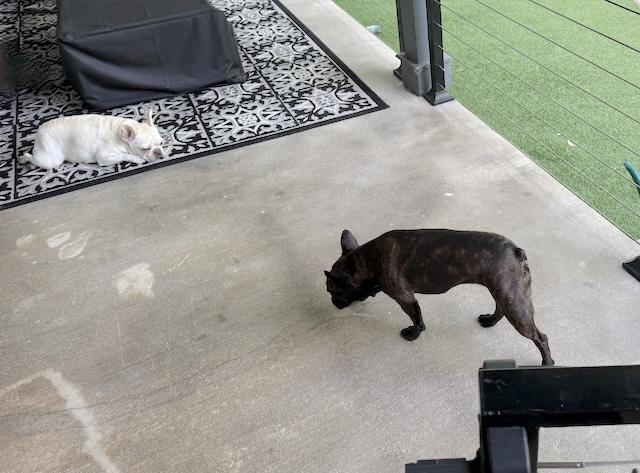
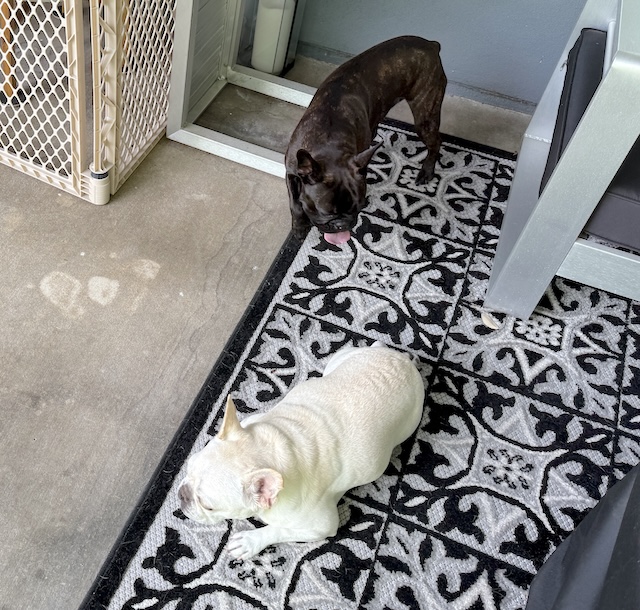
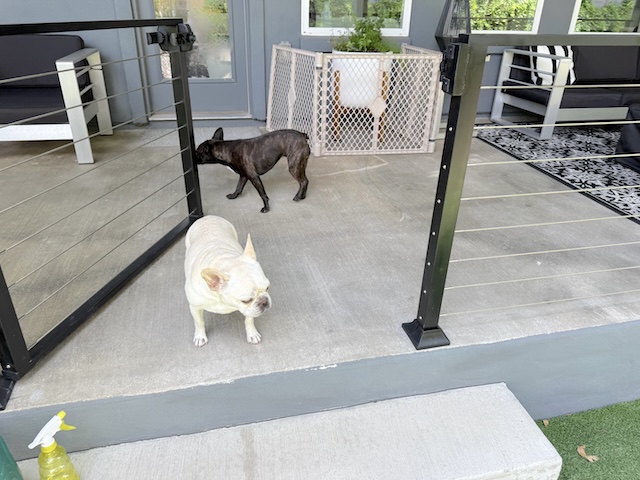
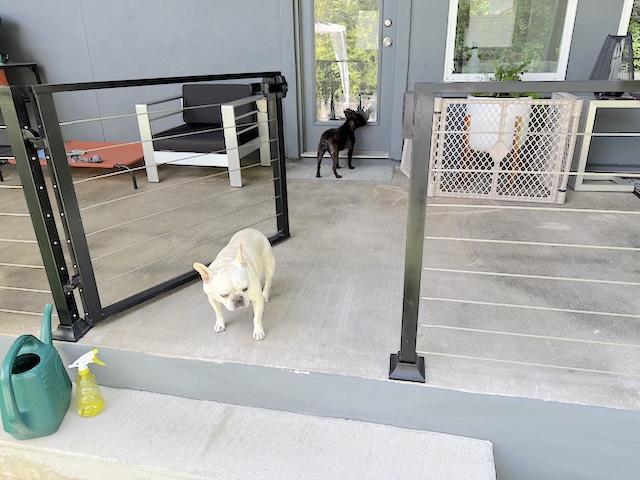
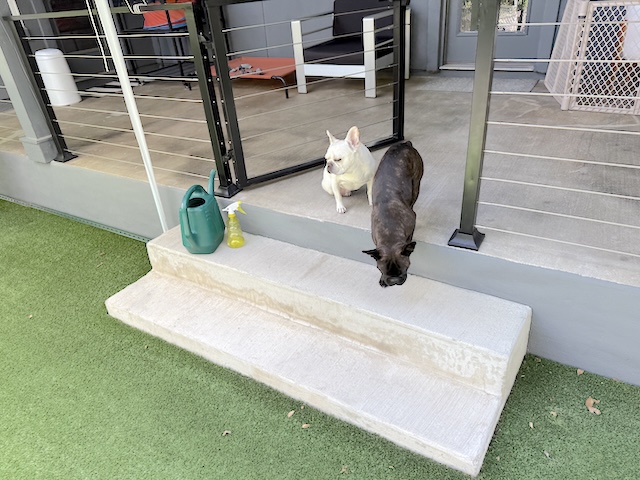
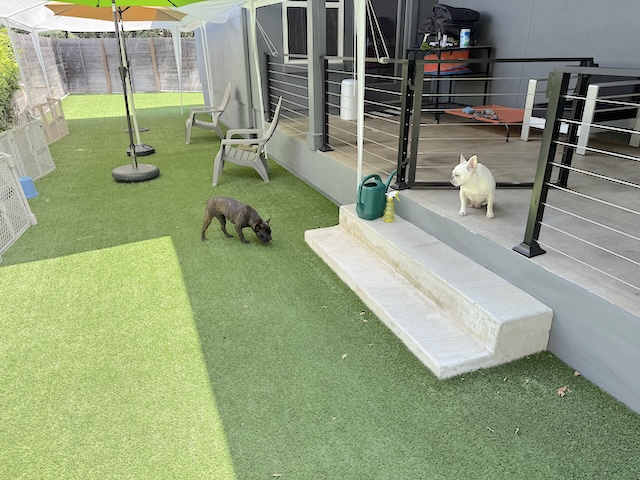
She is to be rechecked next week to ensure the medicine has done its work. Since her unsteadiness has improved, it does not appear that there is any neurological involvement at this time. The check next week will confirm. The photos do not show the extent of her drooping but I felt you should know the circumstances. Now that you know, let’s see how the girls are doing.
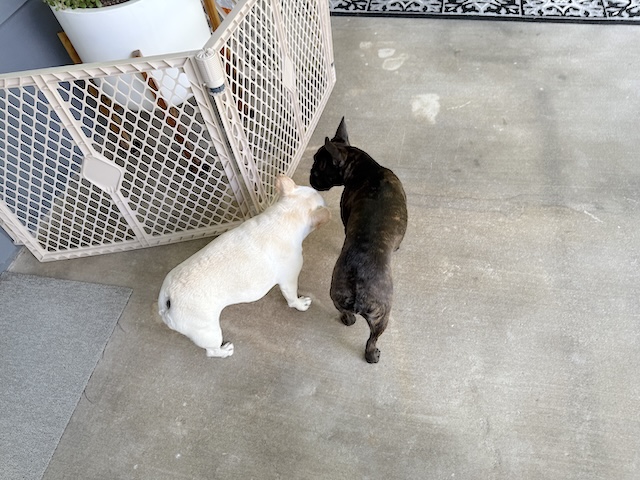
“So, Twiggy, since you are not at the top of your game, let me help you.”
“Okay, Tempeste. What do you propose?”
“Well, I think you should go out in the sun, and I’ll keep us safe.”
“Safe from what?”
“You gotta be kidding me. UPS, Amazon, USPS, and FedEx are just waiting for us to show a sign of weakness.”
“Well, you do have a point. We can’t let them get away with bark free.”
“One last check of the front. Nope, no one there.”
“Best give the back a quick once-over.”
“Good suggestion. I’ll do a thorough search.”
“Keep your eye out for water buffaloes and that nasty squirrel.”
“You don’t suppose a water buffalo will try something, do you?”
“You never know. Maybe the panther can do the checking.”
“You know, you may look goofy, but your brain is working really well. The panther takes her leave.”
“The puma is going to stay right here.”
This area is clear of danger. I gave it a nose sweep.”
“Sounds good.”
“The panther carefully stalks her territory.”
“You are doing a good job.”
“I can report no nefarious critters about. Feel free to sunbathe.”
“You’ve been hanging around Dad too Much. Nefarious indeed.”
“Hey, hold on. There is a weird scent here.”
“What kind of weird scent?”
“It is a fresh puma scent. Cause for alarm.”
“Tempeste. I just walked there. What did you expect?”