Today, we are going back to view the remaining Texas flora. If you missed last week, you can go HERE. We are catered by Roaring Fork of Austin, and our entertainment is The Proclaimers.
Menu
BIG ASS BURGER – poblano / cheddar / bacon / lettuce / tomato / onions / pickles / chipotle mayo
served with French fries
SHRIMP AND GRITS – cheddar grits, sweet corn butter, chorizo, fried egg
RAINBOW TROUT – green beans, fried capers, toasted almonds, brown butter, grilled lemon
CEDAR PLANK SALMON – teriyaki glaze, chilled green bean salad, soy butter
ROTISSERIE CHICKEN – cornbread sausage stuffing, green beans, lemon garlic jus
ROASTED DUCK – sugar chile cured, brussels sprouts, sweet onion jam, cherry mustard sauce
DUROC PORK CHOP – maple mustard glaze, sweet potato mash, apple chutney
BACON WRAPPED PORK TENDERLOIN – poblano grits, charred corn, cotija, chipotle balsamic reduction
AHI TUNA – seared rare, chimichurri, marinated tomatoes and avocado salad, citrus vinaigrette
Let’s get going.
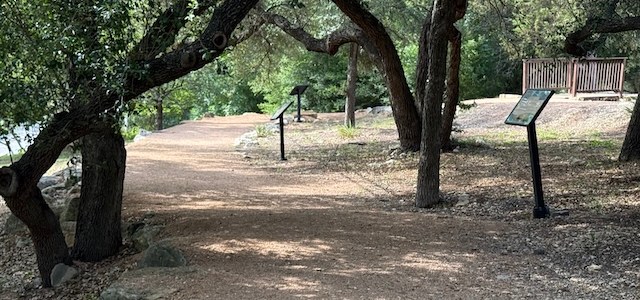
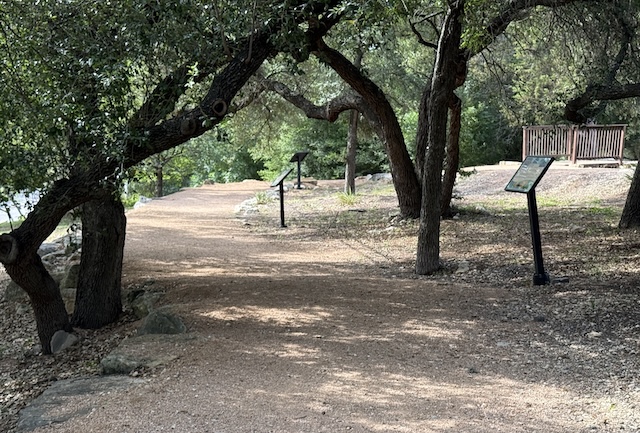
Here is a photo of how the walk looks. These boards describe the flora found in Texas and not necessarily on the walk.
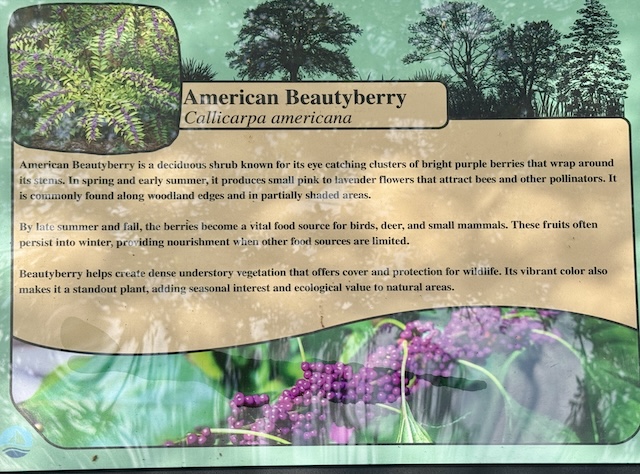
American Beautyberry.
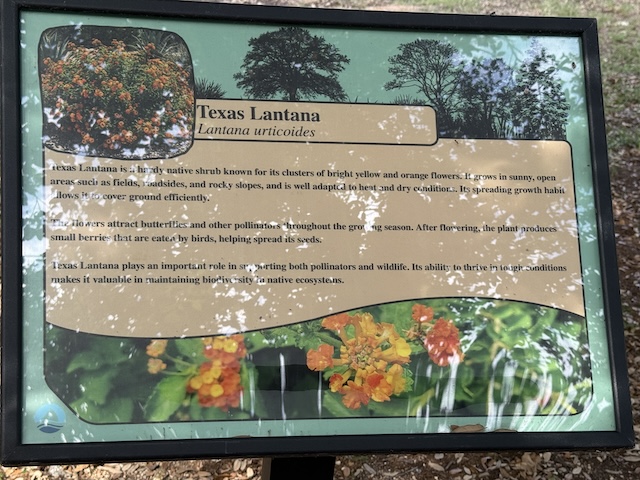
Texas Lantana.
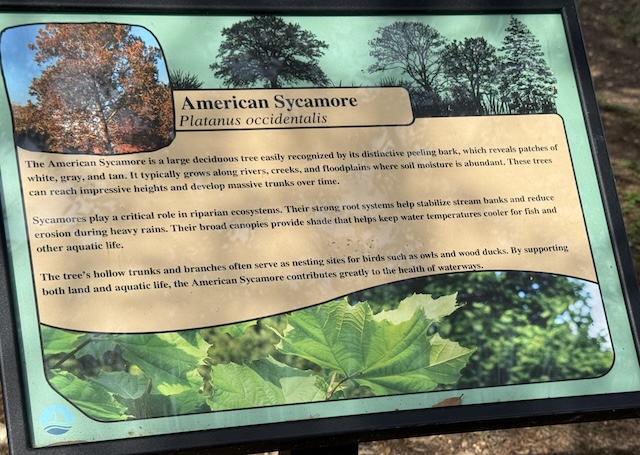
American Sycamore.
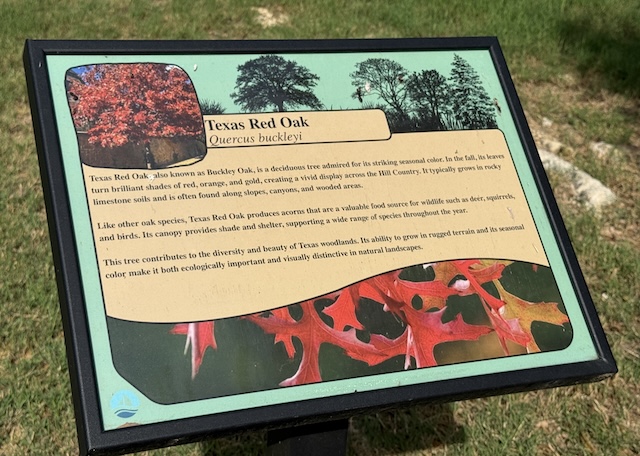
Texas Red Oak.
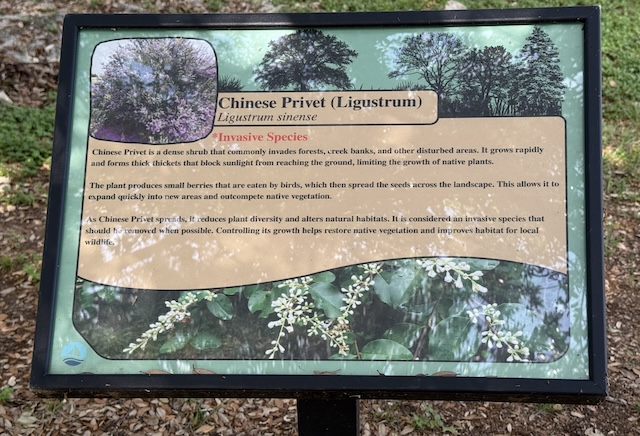
Chinese Privet.
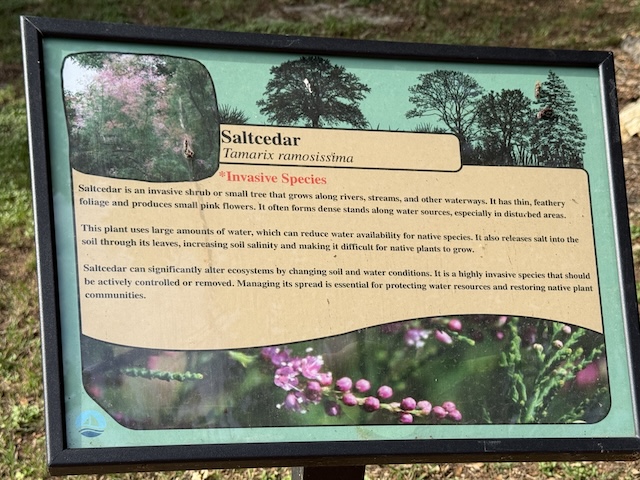
Salt Cedar.
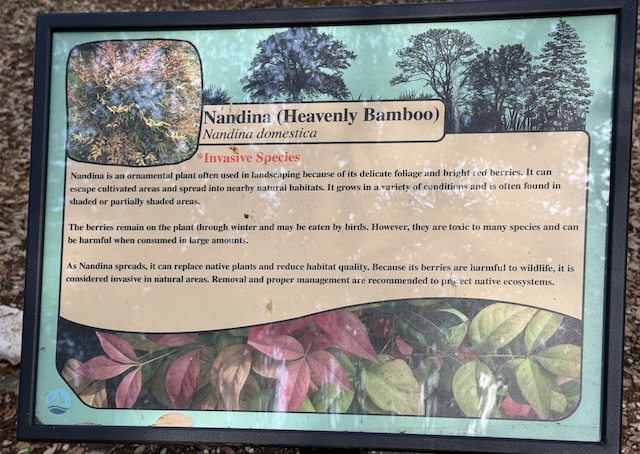
Heavenly Bamboo.
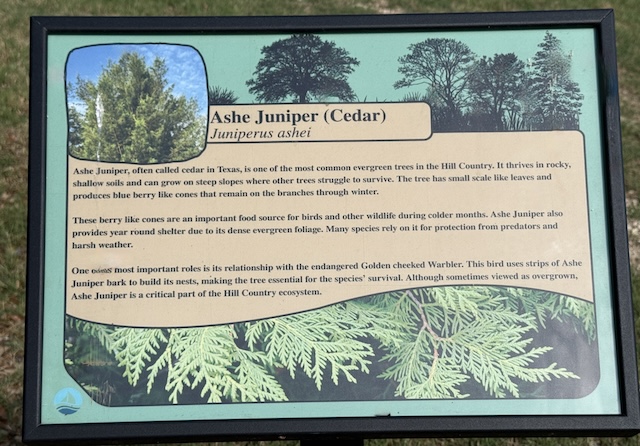
Ash Juniper is commonly called a cedar.
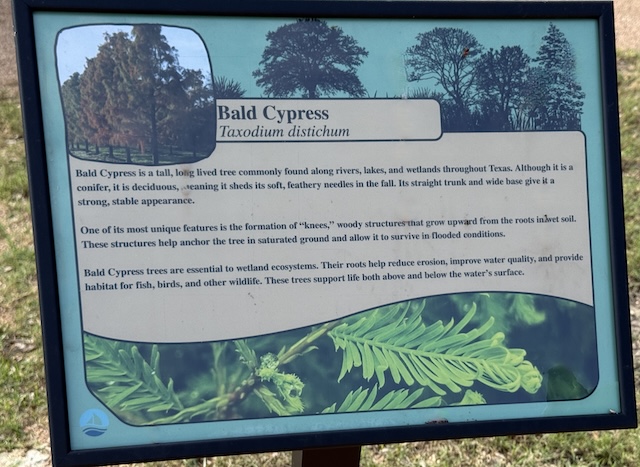
Bald Cypress.
It is time now to relax with the food and music. I hope you have a super week.
Saturday is always a good day. It seems the coffee machine goes out of its way to impress the end user. Just this morning it said good morning without being prompted. It then produced this fine mug of coffee Just in time for the first sip to quell the percussion part of the Anvil Chorus playing in my head. The second sip brings the familiar steel stamping plant cacophony of the combination of the doorbell Westminster chime and the warnings from the watchdogs from hell as they attempt to bark the intruder to St. Louis. A toss of a delicious marrow bone into the soundproof room followed by the slamming of the door brings back peace in the valley.
A check of the monitor confirms a visitor looking very much like Henry the chicken with an envelope. Since there is a signature needed, with a sigh the security shutdown begins.
The B-2 bomber squadron and the F-35 escort must be called off. One call does it. The tank corps and gunboats are told to stand by. The Apache helicopters are rerouted. The electric shock fence is turned off. The drawbridge over the quicksand is lowered. The robot attack dogs returned to their charging station. The laser-guided machine guns on the roof are set to caution. The nest filled with rattlesnakes put away. The bucket filled with 1000 marbles is locked down. The tear gas canisters shut off. The electrified welcome mat set to off. The fall-away sidewalk into the pit filled with spikes is locked. The hornet’s nest closed. The water cannons are set to safety. Bear traps are set to off. Peregrine Falcons perched on the roof above front door fed. The vat of boiling oil set to warm. The front door is opened.
An envelope and clipboard are passed to me by Henry. “Where’s Foghorn Leghorn?” is a question met with a puzzled look. maybe it’s the wrong Henry. Passing the signed clip board back, Henry has his wing extended in the classic signal for a tip. “Never do anything you wouldn’t want to explain to the paramedics,” is my tip to Henry just before closing the front door.
The envelope is form Linda Hill and the message inside reads: Your Friday prompt for Stream of Consciousness Saturday is “impress” Use it as a verb, use it as a noun, use it any way you’d like. Enjoy!
“You are not out to impress deliver people are you?”
“It’s not that.”
“What is it?”
“Our society is becoming tip crazy is all.”
“What do you mean.”
“There are tip requests everywhere. The last time I took an flight I bought a water at a self service kiosk. On the screen there was a place for a tip.”
“Might be a way to help offset low pay for the workers.”
“Then the workers ought to speak up. I’ll bet none of it gets to the workers.”
“Hard to know.”
“Restaurants are now adding 20% service charges to the bill and get this. They say it is not a tip for service. The tip is supposed to be added on.”
“Ive never seen that, but sound pretty strange. What’s it for”
“That’s what I thought. I don’t know. Maybe for someone to carry your order out to the table 99% spit free.”
“Yuk. You leave a tip?”
“What do you think?”
“Scrooge.”
“I did see a tip line on my carry out pizza order receipt. I thought they were kidding.”
“I’ll bet it wasn’t spit free then.”
“Don’t remind me. I can quarantine our Uber ride is tip free.”
“Why’s that? Do we have to carry the car?”
“No look over there.”
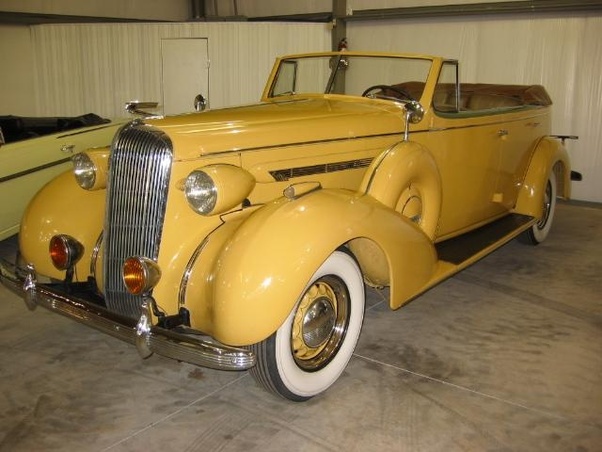
Photo by Tom Okragly
“Wow, a 1937 Cadillac. I’ll bet the catch is big.”
“Not at all.”
“Okay what is it.”
“On the way to the pub we have hold up signs.”
“What kind of signs?”
“Advertising signs.”
“What kind of advertising signs.”
“The grand opening kind of advertising.”
“Grand opening of what?”
“A supermarket.”
“That sounds okay.”
“One more thing.”
“Uh oh. Here it comes.”
“Not a big deal. We have to hand out zuccini.”
“Zuccini?”
“Yeah its a promotion. The store’s name is on the zuccini. Once the zuccini is gone we can head for the pub.”
A huge area of the Everglades that was drained in an attempt to convert it to suburbia has been restored to a somewhat native ecosystem after 2 decades of reverse-landscape engineering.
Picayune Strand is a large, almost perfect rectangle of South Florida wetland, located northwest of Everglades National Park and northeast of Thousand Islands Nat. Wildlife Refuge, and west of the Florida Panther Nat. Wildlife Refuge.
It was part of an enormous land package bought by the real estate company Gulf American in the 1950s in an attempt to create America’s largest suburban housing development, called Golden Gate Estates.
But their effort to tame the swamp failed, even though substantial landscape alterations were made to try to dry out the area. Picayune Strand is 2 feet lower in elevation than the Golden Gate Estate land to the north, and this little difference made it virtually impossible to prevent flooding. The company went bankrupt.
One of the first projects identified and pursued by conservationists under the Everglades Restoration Plan of 2000, Picayune Strand has changed significantly over the years. Since 1985, conservationists have been buying up all the private, often unbuilt-on land that Gulf American had managed to sell. It was tedious lawyer’s work, but by 2004, it was all consolidated into a conservation package.
Gulf American built 4 large canals to channel water off the land they wanted to develop, while the earth and stone they churned up were used to crisscross the area with causeways, atop which roads ran. These were the first targets for groups like the Everglades Foundation, the Conservancy of Southwest Florida, and the US Army Corps of Engineers.
The hydrology of the Everglades is defined by water flowing across the once-7 million square miles all in the same direction at roughly the same snail’s pace, a phenomenon described as “sheet flow” through a “river of grass.” Huge areas remained flooded all year, and plugging the canals was the first step towards restoring the natural hydrology.
To restore this, the roads were torn up, and the materials were chucked back into the canals from whence they came.
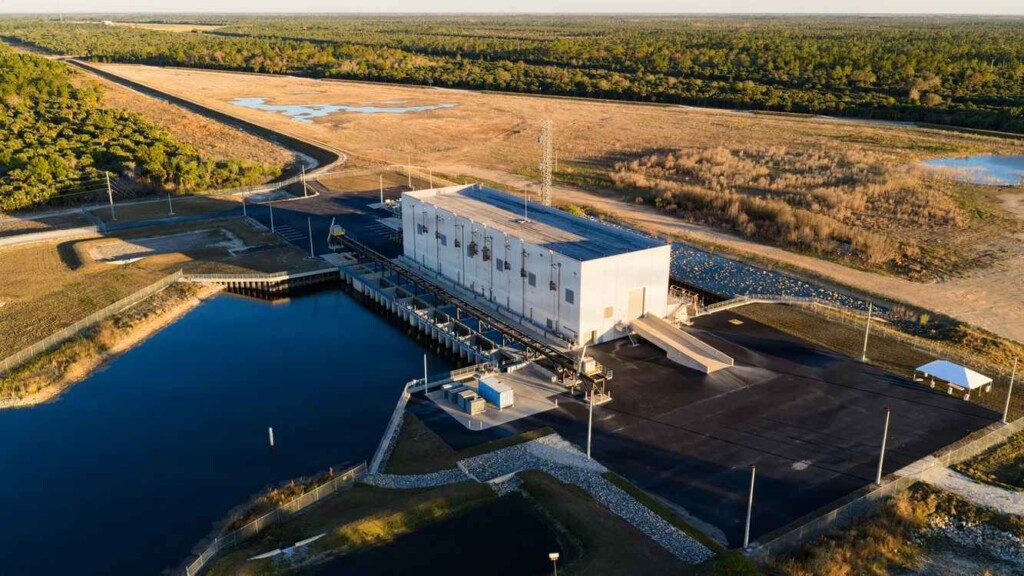
One of the 3 pump stations – credit, Brigida Sanchez US Army Corps of Engineers
From macro to micro
“Picayune is as good a place in South Florida as there is, in terms of getting it back to what it was before,” Michael Duever, an ecologist who has been monitoring the Picayune project, told Yale News. “We’re feeling that we’re in the range of 90 plus-or-minus percent of restoration.”
There had to be some compromises, as people still live in Picayune Strand. Part of that 10% is missing; Duever refers to it as 3 pumping stations that pull rainwater out of the closed canals on the northern boundary of the Picayune project and dump it into large basins that will leak it out in many directions. The water level at times is higher than natural, however, and at other times drier.
Vegetation is coming back in a big way—not always ideally, but upland plants cannot now spread further south because of the continual water bodies. More native species that have missed the continual wetness are also returning—like a native, wild sunflower.
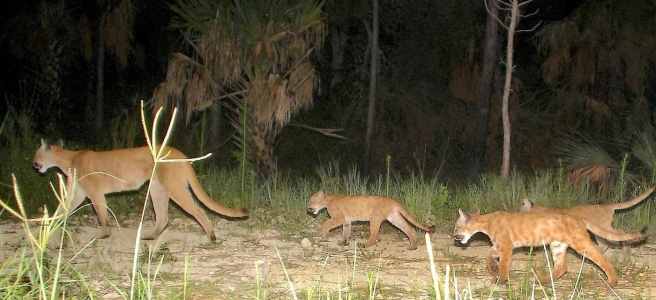
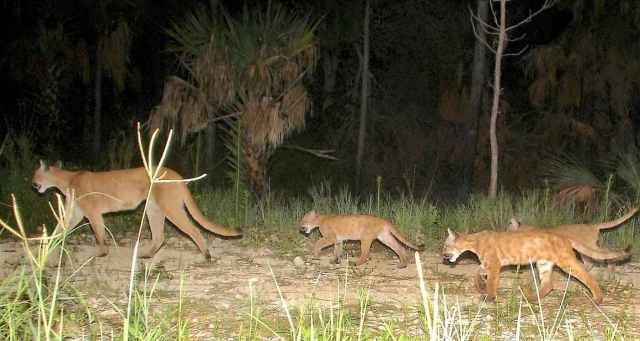
The restored Picayune is expected to help several endangered species, including the red-cockaded woodpecker and the Florida panther, while studies have already shown that increased insect abundance is benefiting the bonneted bat, the largest of its kind in Florida, with a wingspan greater than a foot.
“I kind of view Picayune Strand as a microcosm of the entire [Everglades] plan,” Stephen Davis, chief science officer at the Everglades Foundation, told Richard Mertens at Yale.
The good news in this story is that once a mistake is realized, many hands helped make it right again. Today’s JohnKu talks about rectifying mistakes. I hope you have a terrific weekend.
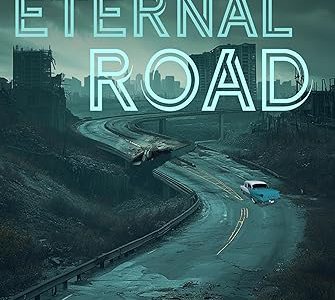
Today, I readomly opened Detour on the Eternal Road to page 147. With eyes closed, I pointed to the page. The word nearest to my finger is “complicated.” This is our prompt today.
As in years past, I firmly believe that we should not forget the sacrifices of those who have died in service to this country. All ten points are the same.
Do not forget those who gave their lives so you may live in freedom.
Our flag honors those who sacrificed their lives for our freedom.
Today, we will view the Lakeway Walk of Texas Flora. There are 26 stops, so we won’t make all of them today. We’ll do half this week and the rest next. Also, the display cards are under glass, so the photographs are as good as I could make them. We are catered by Embers of Austin, and our entertainment is Johnnie Lee and Lane Brody.
“ May your day be wonderful” is the message on the touchscreen of the coffee machine. For the life of me, I can’t imagine why the machine has started to provide motivational messages. The last software download must have led to the idea that we humans can change our emotional state at will. Oh well, it is a nice sentiment, and a touch of the two coffee buttons is a more practical way to alter a mood. The aroma of the magic elixer provides a hopeful sign that the day may, in fact, be wonderful. The first sip quells the 50-story fall climax of the grand piano feeling in my head, brought on by the lack of caffeine.
The second sip, as we have grown accustomed to hearing, is coupled with the cacophony of the Westminster chimes of the doorbell and the instantaneous iPhone unhealthy noise warning sound of Twiggy and Tempeste, believing with all their heart they are doing a good deed in causing eardrum-bleeding mayhem. A quick toss of a handful of kibble into the soundproof room and a slam of the door restores a kind of hush all over the world.
A look at the security monitor confirms the cause of the ruckus. Heckle and Jeckle, the yellow-billed magpies, fill the screen. Knowing that any discussion with these two will be fruitless, the security shutdown process has begun.
The B-2 bomber squadron and the F-35 escort must be called off. One call does it. The tank corps and gunboats are told to stand by. The Apache helicopters are rerouted. The electric shock fence is turned off. The drawbridge over the quicksand is lowered. The robot attack dogs returned to their charging station. The laser-guided machine guns on the roof are set to caution. The nest filled with rattlesnakes was put away. The bucket filled with 1000 marbles is locked down. The tear gas canisters shut off. The electrified welcome mat set to off. The fall-away sidewalk into the pit filled with spikes is locked. The hornet’s nest closed. The water cannons are set to safety. Bear traps are set to off. Peregrine Falcons perched on the roof above the front door were fed. The vat of boiling oil set to warm. The front door is opened.
It’s hard to tell who’s who, but one magpie had the envelope, and the other had the clipboard. Each gave me their item, and the clipboard was returned with a signature where indicated. Both held out wings in an obvious hint for a tip. “You don’t need to wait for permission to succeed, ” was my tip for the day. Stepping back through the front entrance and closing the door, the envelope from Linda Hill is opened. Here is the message:
Your Friday prompt for Stream of Consciousness Saturday is “may your…” Use the phrase “may your” in your post. Use it any way you’d like. Have fun!
Early in May, GNN reported how Australian and US citizens have amassed 85 million acres of private land specifically for conservation.
From the Spokesman-Review comes the story of a man in Washington state who’s about to make it 85,000,885 by donating his own patch to the Kalispel Indian Tribe.
Having spent his whole working life in urban areas during a 30-year career with the Social Security Administration, Gary Verbrugge longed for the natural world he remembered from his youth, where he lived on land his relatives bought after moving from Iowa in the early 20th century.
After taking early retirement to help with his parents’ ailing health, he bought more land and a neighbor’s cabin and went home to see what had happened to his father and uncles’ forest.
It turns out that the forester they entrusted with managing their land was more interested in making money from timber sales than in ensuring the health of the woodland.
A year later, in 2007, Verbrugge partnered with the Inland Northwest Land Conservancy to turn 605 wooded acres he owned into a conservation easement. In 2025, he bought another 280 acres directly abutting his own land from his nieces and nephews, and added them to the package.
The idea, explained by the INLC’s conservation director, Michael Crabtree, is that the Conservancy acts “kind of like the third party that makes sure the rules are being followed,” on behalf of the owner, who has stipulated he wants to see the land preserved in a natural state.
Though Verbrugge, who lives alone at 72 years old in the forest, has no heirs to pass the property to, he found a suitable inheritor in the Kalispel Indians, who said they would carry the responsibility of keeping the land in good health forward with “profound gratitude.”
As to the land itself, the Little Spokane River runs through it, along with several creeks home to bull trout. In a subdivided and developed area, Verbrugge’s woodland is a haven for elk, deer, moose, wolves, cougar, bobcat, and eagles.
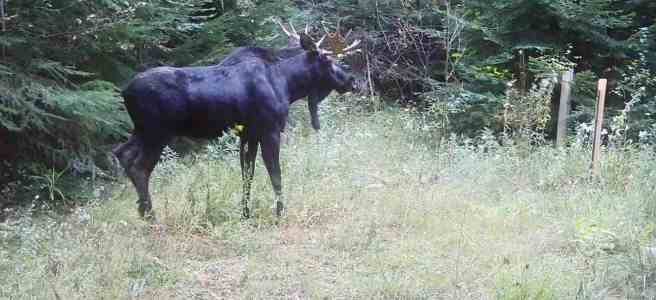
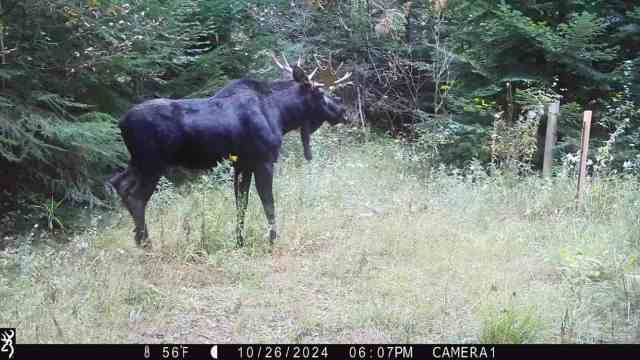
“To see the wildlife, where they’re not aggressive, they’re not scared, they’re just at home, is the reward,” Verbrugge told the Spokesman-Review, who enjoys catching glimpses of his sylvan neighbors with trail cams.
Today’s good news story points out that individuals with a heart can make a difference in preserving valuable natural resources. Today’s JohnKu talks about individual effort in conservation. I hope you have a restful weekend.
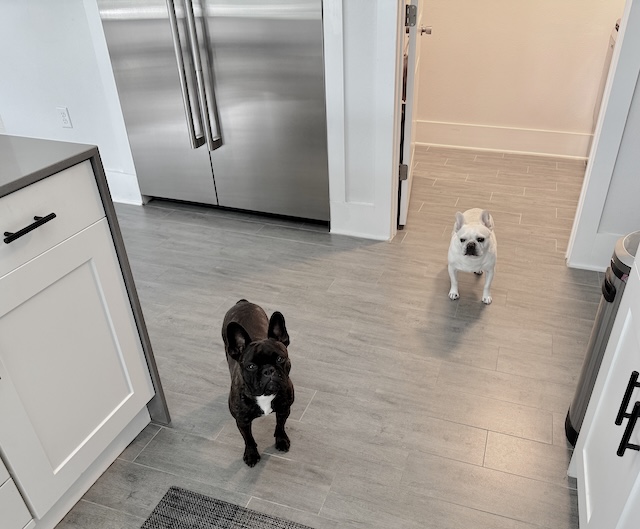
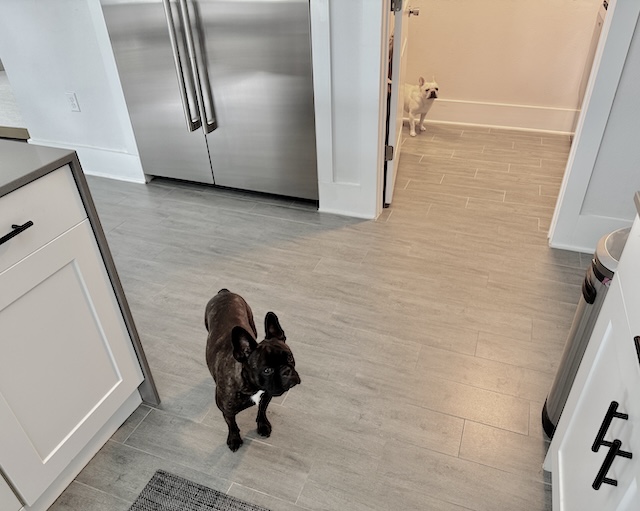
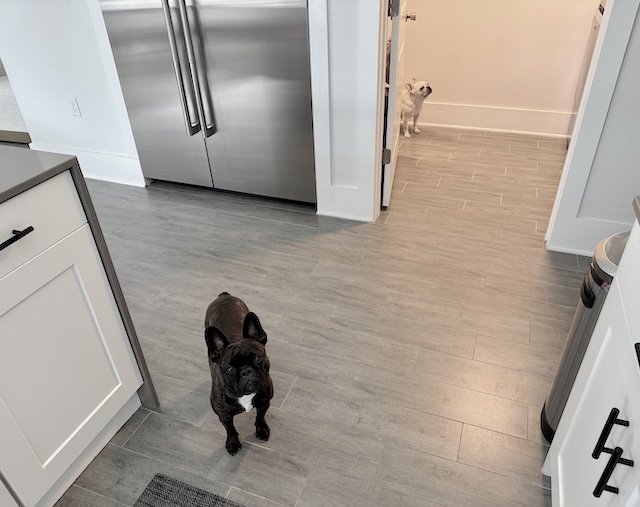
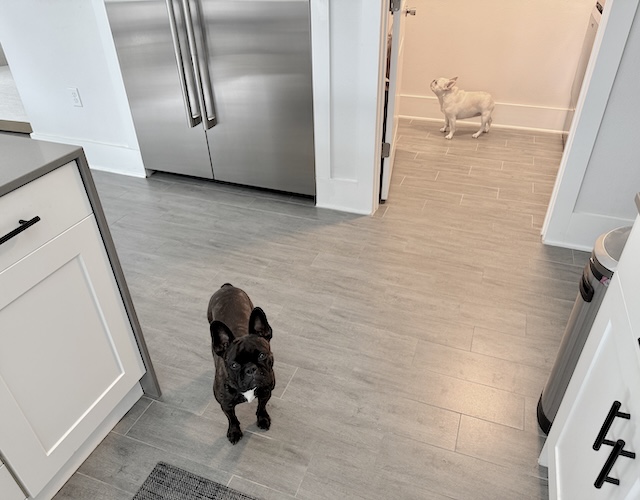
“He would get pretty excited when I busted through the old one.”
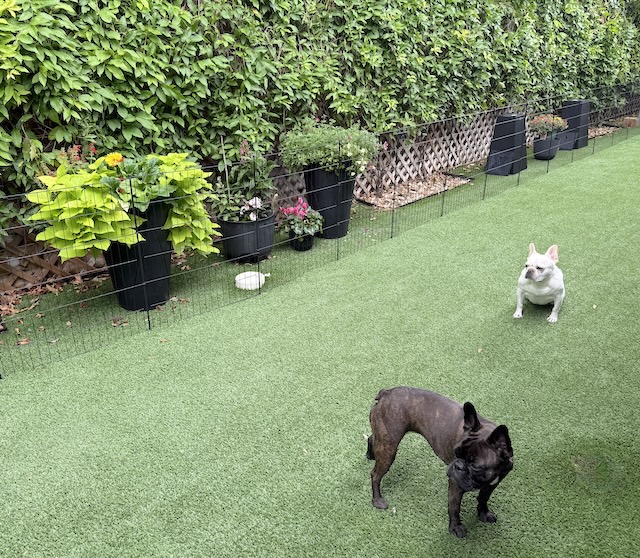
“Yeah, but this looks like it is made pretty well.”
“It does look substantial. I don’t see any wires.”
“For heaven’s sake. It won’t be wired.”
“But it is all creepy and black. You can hardly see it.”
“Go ahead and touch your nose to it.”
“If I get shocked, I’m going to be really mad at you.”
“Well, you satisfied it’s not electrified?”
Sure am. Now I have to figure a way out of here.”
“I can’t believe you. You have everything you want. The fence is because you eat every leaf you can find. Why not stop the leaf habit, and I’ll bet the fence would disappear.”
“Twiggy. If I could stop the leaf habit, I would. You are right about having everything right here. It’s just there are so many leaves outside this fence.”
“How about forgetting about the leaves and just enjoying the day. A few will blow in that you can pounce on.”
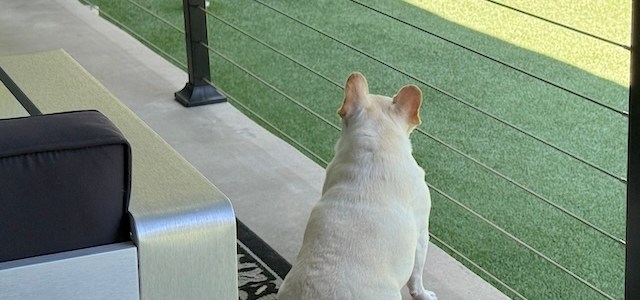
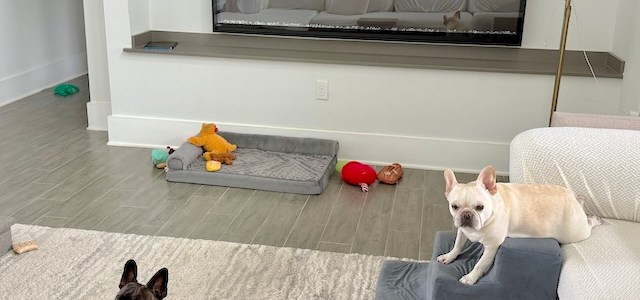
“So true, sister. Alright, I’ll forget about the great escape. Why are you smelling that chair?”
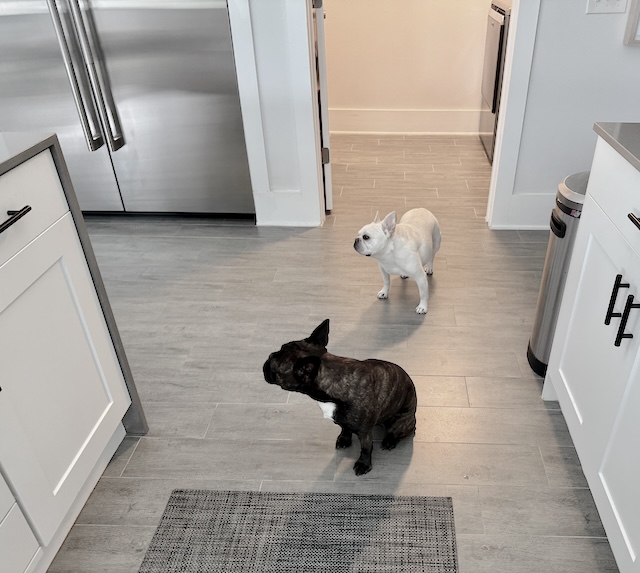
“Great. I’m smelling this chair cause someone used some kind of cleaner on it.”
“That sounds like normal behavior. And you get on me about leaves.”


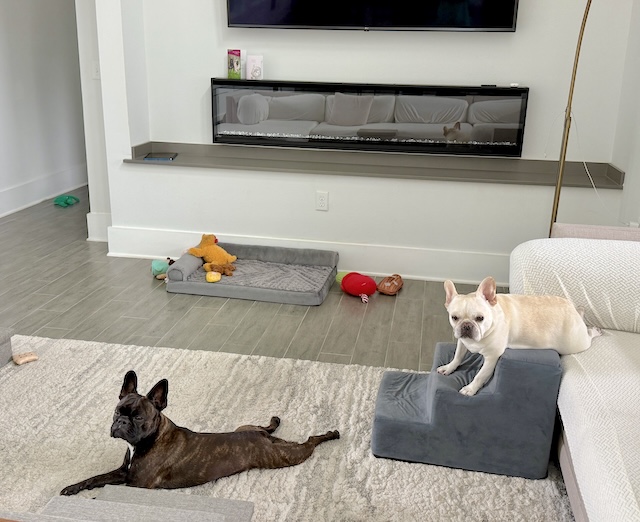
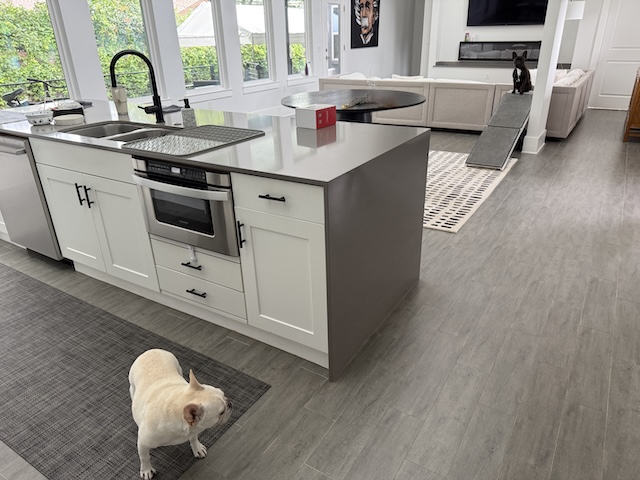
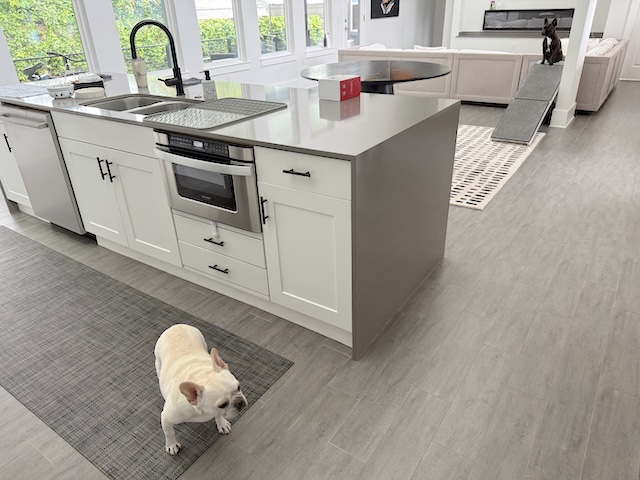
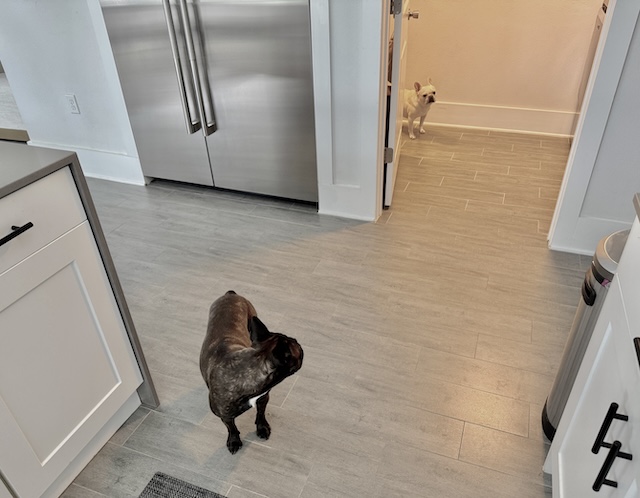
 “Hey readers