“Tempest had an elongated soft palate that, if not taken care of, would cause problems later. She will be able to breathe better and not have issues with gagging later in life.”
“Is she going to be okay?”
“Yes. She is a little sleepy from the anesthesia.”
“Come on, Dad. Give it to me straight. She doesn’t look okay.”
“This is perfectly normal. Her body needs to rest, and traces of the anesthesia cause her to be sleepy.”
“I guess I’ve never seen her so still. When can she play?”
“Her recovery time is going to be at least three days. Playing will be based on how she feels after that.”
“Three days? How are we going to keep her quiet for three days?”
“For one, you can help by not engaging in any incidences of ruckus.”
“I can do that. You must know, though, that she’s the one who usually starts it.”
“I do know that, but you’ll be a big sister and not engage even if she tries.”
“Okay, I will do my best.”
“That’s all we can ask.”
“I must admit I like her as an awake panther better.”
“It won’t be long, Twiggy. She’ll be attacking you before you know it.”
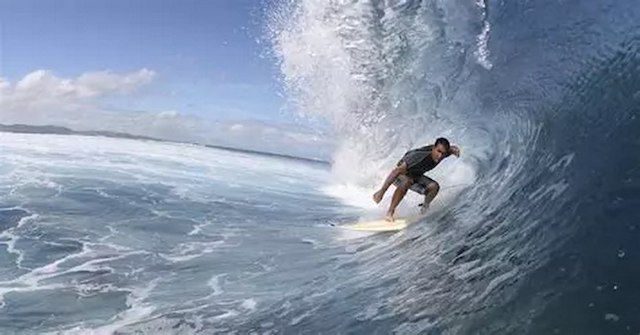
Nearly 90 million metric tons of planet-warming carbon have been found surrounding surf breaks worldwide, making these coastal locations essential climate allies and ideal locations for conservation efforts.
The news came from a groundbreaking study by conservationists examining forests, mangroves, and marshes around surf breaks—submerged features like rocks or reefs that create great surfing areas.
This is all the better for surfers themselves. Protecting these coastal ecosystems from development means more space and more waves for them.
Researchers analyzed more than 4,800 popular surf spots across 113 countries for the study. They found that immediately surrounding areas (within 0.6 miles or 1 kilometer of the waves) store over 88 million tons of irrecoverable carbon. That’s roughly equivalent to the annual emissions from 77 million gas-powered cars.
When the surrounding area is expanded to 3 kilometers or 1.8 miles, the amount of carbon stored in the ecosystem doubles to 191.7 million tons. According to the most up-to-date models, irrecoverable carbon refers to the carbon-rich lands humanity must protect to prevent the worst impacts of climate change.
“This research demonstrates the enormous role that protection of surf breaks and surrounding coastal areas can have in our global fight to reverse biodiversity loss and combat climate change,” said Scott Atkinson, a surfer, senior director of surf conservation at Conservation International, and an author of the study.
“Our study shows where we must now focus on legally protecting these areas. Surfers worldwide are fantastic allies for efforts like this—they love the ocean, know it is threatened, and are extremely motivated to protect it. They’ve been ‘on board,’ so to speak, helping to lead the establishment of all the Surf Protected Areas we’ve partnered to create.”
To date, Conservation International, which partners with surfers from the Save the Waves Coalition, has contributed to the establishment of 30 Surf-Protected Areas in Indonesia, Costa Rica, and Peru. These Areas are centered on surf breaks and seek to protect their larger surrounding ecosystems, including coastal forests, mangroves, beaches, seagrass, coral reefs, and the waves themselves.
Over half of these (23 Surf Protected Areas) have been established in Indonesia, which was used in the paper as a case study in creating an effective network of community-based protections. Collectively, the 23 locations form Indonesia’s initial Surf Protected Areas Network, covering more than 148,000 acres. This network can be expanded to hundreds of world-class surf sites across the incredibly biodiverse and carbon-rich country.
Atkinson also highlighted the positive impacts of the community-based Surf Protected Areas on Morotai Island in Indonesia, which is the focus of the paper’s case study.
“They protect precious marine and coastal ecosystems and strengthen community bonds and cultural heritage. Local people on Morotai have surfed on handmade wooden boards since at least World War II and have a strong surf culture,” he said.
“Additionally, local surf and conservation-related livelihoods are flourishing, with eco-friendly tourism and sustainable fishing practices becoming the norm. The community’s involvement in conservation efforts has fostered a sense of pride and ownership, showcasing the power of grassroots initiatives in achieving lasting environmental and social benefits.”
The good news in this story is that vital areas of conservation are being protected. Today’s JohnKu talks about the need for protection. I hope you have a wonderful weekend.
Kizzy was suddenly called across the rainbow bridge on Tuesday. She was playing in her yard with a new toy when she collapsed and was gone. We are heartbroken and have no words at this time. She did have Cardiomyopathy, which occurs in her breed. Her age and general good health made this eventuality even more shocking.
Here are some photo reminders of Kizzy’s fun spirit and good times with Twiggy and Tempeste. I have closed comments today and will be back on Friday.