Friday JohnKu – AKA – TGIF – Fri-Yay/Good News

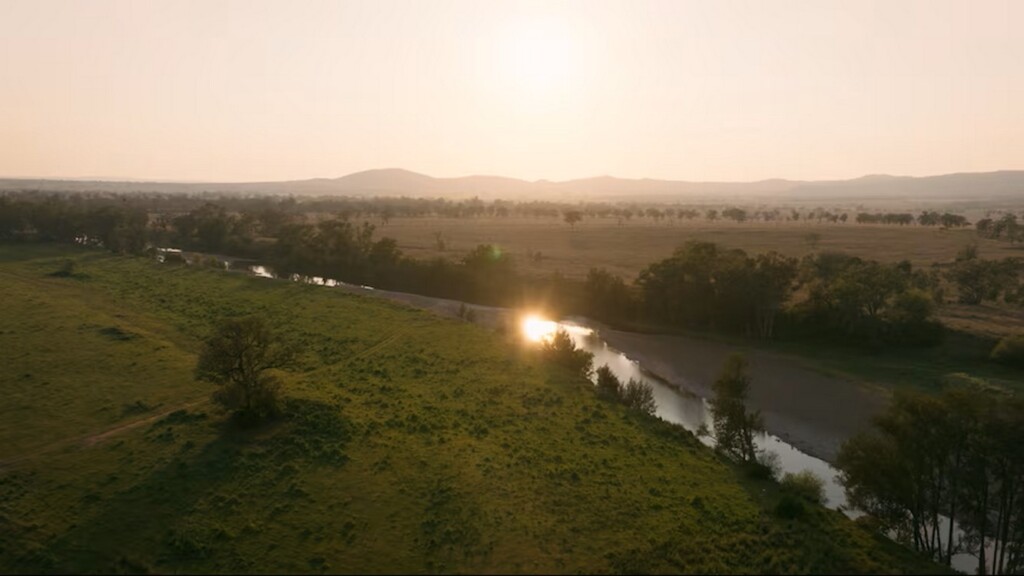
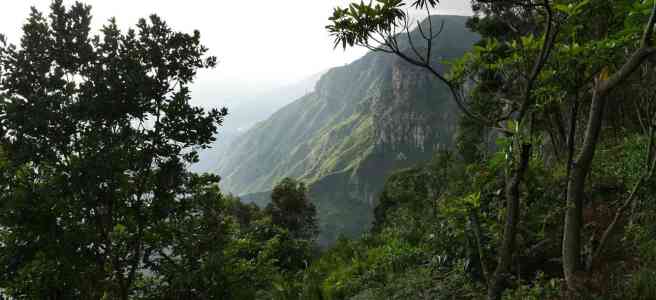
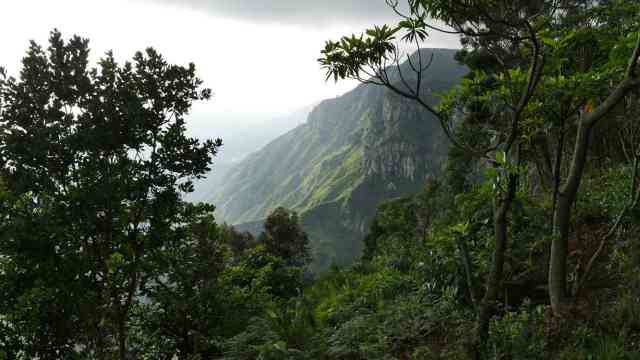
The hills of Tanzania where Ecosia operates – credit, Ecosia, released


Our good news post comes from the Good News Network.

250 Millionth Tree Planted by this Tree-Planting Search Engine Just Ahead of Earth Day

By Andy Corbley –

Reaching the milestone just before Earth Day, Ecosia, the nonprofit search engine, is celebrating 250 million trees planted worldwide, becoming the world’s largest planter of native trees.

Since its founding in 2009, Ecosia has built the world’s largest network of local reforestation operations, numbering more than 200,000 tree planters and 125 organizations worldwide. Users’ clicks and searches, as well as the ad revenue they generate, translate into funds the company uses to organize tree planting.

These partnerships have allowed the tech company to focus on working with local experts to plant 1,600 native tree species, including 144 endangered or vulnerable species, making it a leading contributor to threatened-tree conservation. These efforts are helping biodiversity hotspots recover and restoring ecosystems in communities for generations to come.

Founder Christian Kroll, together with Germany’s Federal Minister for the Environment, planted a tree to mark the 250 million milestone in front of the German federal parliament, the Reichstag, in Berlin, where Ecosia is headquartered.

“All of our successes have come from this powerful on-the-ground movement, ” said Christian Kroll, founder of Ecosia. “From one click in 2009 to 250 million trees today, our global community supercharged our climate action.”

GNN has previously reported on Ecosia. The search online often targets countries that are the most biodiverse, where tree loss directly corresponds with species loss. This has led them to launch projects in Nicaragua and Peru, Burkina Faso and Malawi, Indonesia, and Australia.

In 2018, for example, they created a tree nursery for 200,000 trees in Madagascar, to help create a forest corridor leading from an isolated habitat to the ocean. In 2019, they created a forest-agriculture project in Borneo to prevent locals from selling land to oil palm development.

That same year, Ecosia took measures to ensure it could never be sold and that no one, including the founder, could profit from or receive dividends from the company. This means that the business is set up purely to benefit the planet.
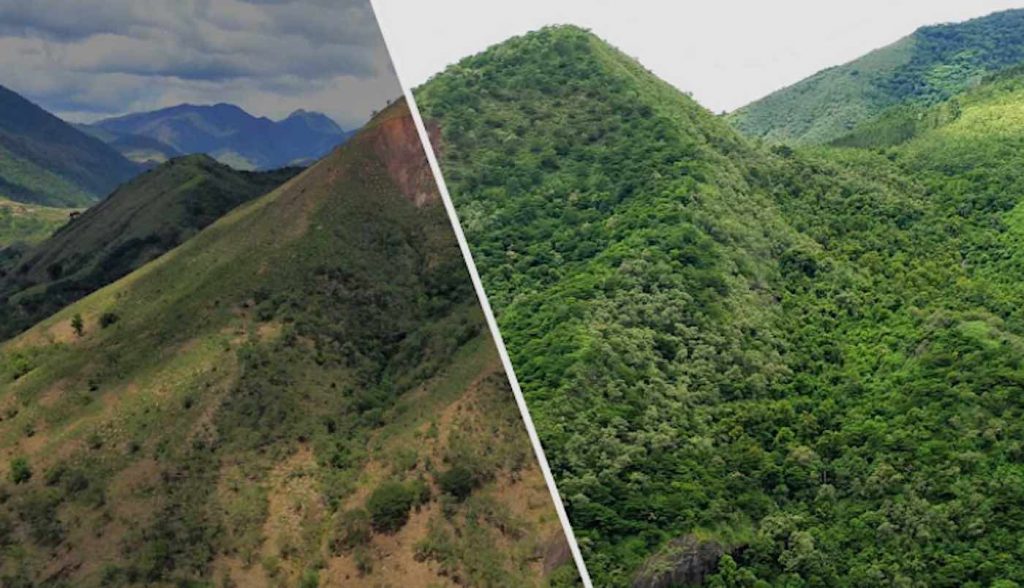
– credit, Ecosia Blog

Growing trees and forests is a long-term game that goes beyond just planting seedlings. Some of Ecosia’s trees get planted because they guarantee future revenue for the community (e.g., fruit and nut trees or trees that boost harvest yields); these provide a strong incentive for the beneficiaries of these products to protect the trees long term. Other reforestation work provides returns on investment for financiers. These are the most well-funded.

However, not every tree has a straightforward financial return on investment, and therefore, making a case for long-term investment is not clear-cut. In fact, much of today’s deforestation is the result of trees not being valued much in economic terms.

This is why Ecosia’s work is so critical to reforestation. It can step in where return-seeking capital won’t. This allows vital ecosystems and communities to be supported without greenwashing or offsetting motives. A purpose company with only one shareholder: the planet.

Unique to any other tech company, Ecosia has a dedicated Tree Team: a group of forestry and nature conservation experts, social business experts, economists, and social scientists, focused on finding the right partners to work with, collaborating with communities, and planting the right species to ensure our trees thrive. It is the only company in the world with a CTPO (Chief Tree Planting Officer).

“We care about our trees long term, not just for some pretty pictures of young saplings,” shared Pieter van Midwoud, Ecosia’s CTPO. “We have developed a vigorous monitoring program to analyze whether projects that we started would benefit from further support. Ecosia, as a purpose company, is best placed to do this long term, and we hope to grow millions more trees.”

The next chapter for Ecosia is to make a bigger move into landscape restoration. Rather than solely assessing projects based on factors that affect the long-term benefits of trees—such as water supply, fuel access, and financial sustainability—the company has begun to take a more active role in influencing those factors.

“We know that collaborating together with the local community is the only way to run a successful restoration project long term, so combining tree planting with complementary interventions that enable farmers and nature to have a bigger impact will be further strengthened,” said van Midwoud.

The good news in this story is that a serious effort to enable sustainable tree planting is sponsored by a tech company. Today’s JohnKu talks about tech and the environment. I hope you have a great weekend.

Conservation by John W. Howell © 2026

Tech and conservation,

Are not usual bedfellows . . .

Good when it happens.

Friday JohnKu – AKA – TGIF – Fri-Yay/Good News

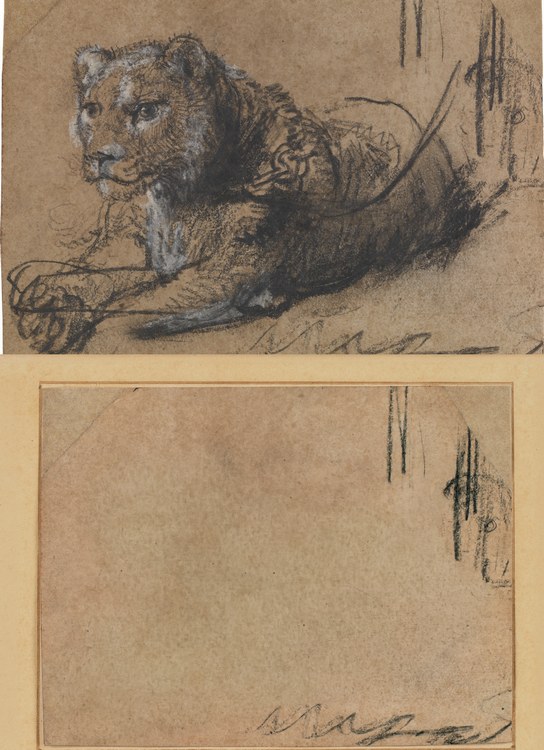
Schatborn, Peter. “Young Lion Resting” (2017). In The Leiden Collection Catalogue, 4th ed. via Sotheby’s

Today’s good news story comes from the Good News Network.

Billionaire Tom Kaplan Auctions Rare Rembrandt Lion Drawing for $18M to Help Save the Animal it Depicts

Friday JohnKu – AKA – TGIF – Fri-Yay/Good News

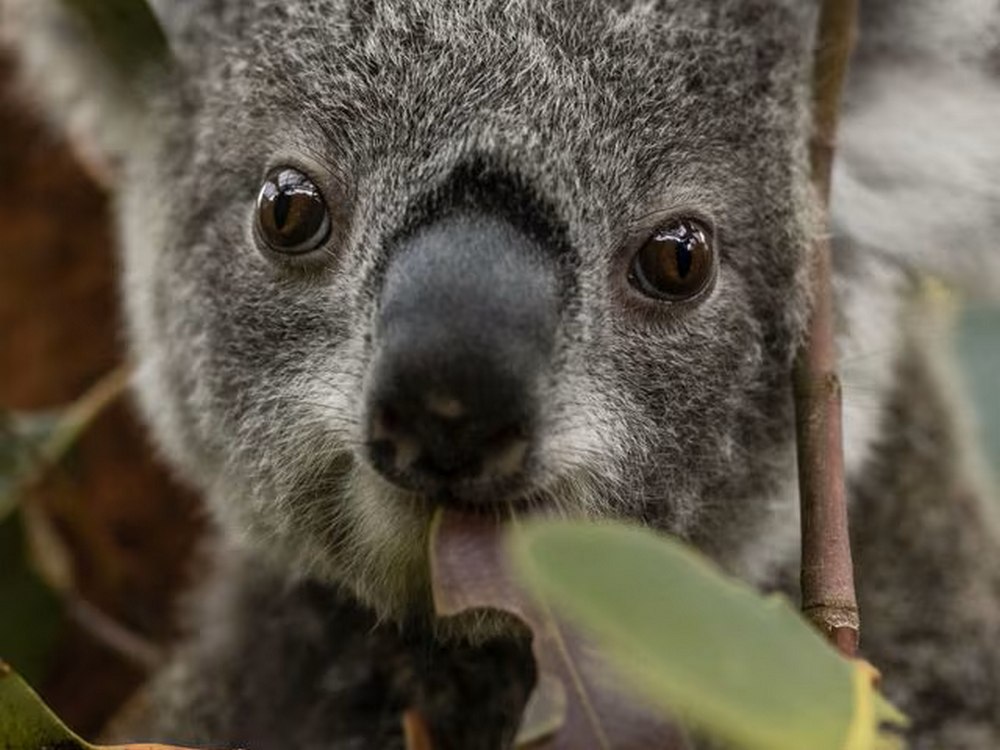
Supplied – Taronga Conservation Society
Today’s good news story comes from the Good News Network.

Ambitious Rewilding Project for Koala and Platypus Undertaken by Sydney’s Taronga Zoo

An Australian zoo credited with saving 7 native species from extinction aims to continue its vital work by rewilding a 3,050-acre tract of farmland.

The aim was to plant Box-Gum trees across the cleared land to act as a corridor to connect existing wildlife habitats.

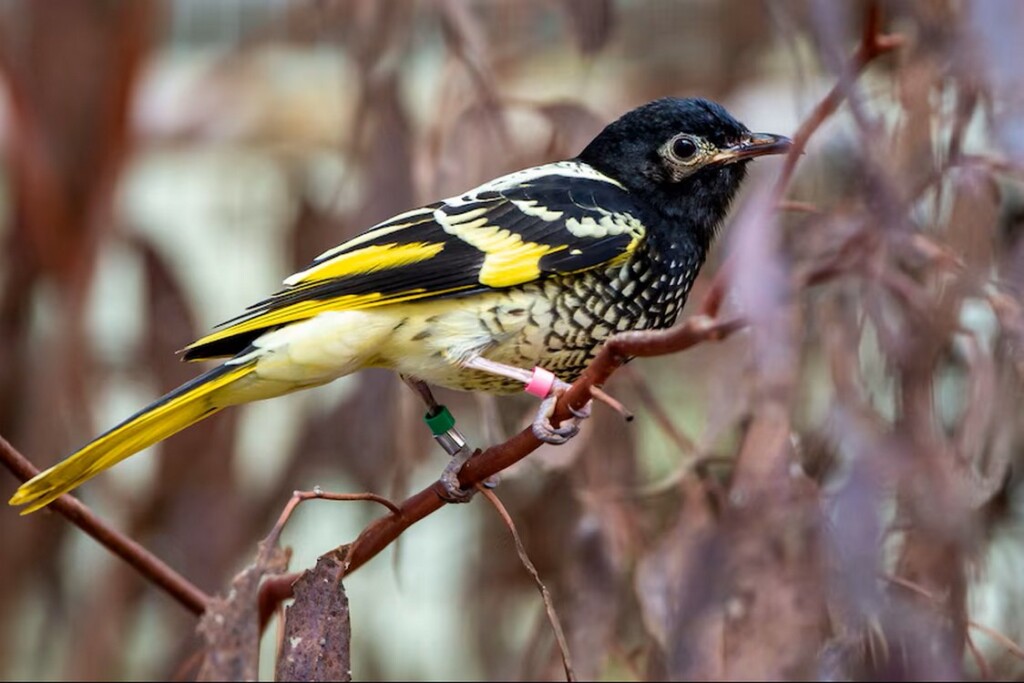
The Taronga Zoo Conservation Society (TZCS) then plans to release platypus, koalas, spotted quolls, and the Endangered regent honeyeater.

The farmland can be found on the Nandewar Range, part of the Australian continent’s Great Dividing Range, in New South Wales. It’s about 100 times bigger than the zoo that society maintains in the Sydney Harbor.

The TZCS estimates that around 1 million seedlings will be needed to restore native tree cover, after which they expect some species to return quickly.

CEO Cameron Kerr told ABC News AU that experts would then monitor how these native species recolonize the area and decide how to manage the species, expected to take a decade or more to fully reclaim their ancestral territory.

“What we are going to do is first of all establish the habitat and get the ecosystem looking after itself so that pest management and weed management will decline over time as the habitat becomes healthy,” Mr. Kerr said.

A regent honeyeater – supplied, Taronga Conservation Society

The landscape, in the Nandewar Range – supplied, Taronga Conservation Society

“At the right time we will assess what wildlife is coming in from outside and what wildlife we need to re-introduce.”

TZCS has extensive experience in reintroducing native species. ABC claims that 60,000 animals, from tadpoles to larger mammals like koalas, have been bred, reared, and released through the society’s 16 targeted breeding programs.

At the same time, rewilding landscapes will be a first for the zoo, and the Nandewar Rangeland is the only such project since it transformed 300 acres into the Western Plains Zoo in Dubbo.

Directors of the program are aware that the landscape isn’t free of invasive, predatory animals such as foxes and pigs, so feral animal control will have to be incorporated into plans. Kerr said that Australia can no longer rely on the forest landscapes it has left to protect native, threatened wildlife.

The nation has to actively begin restoring native forests if citizens want the continent’s panoply of curious native animals to survive long into the future.

The good news in this story is that native forests are being reestablished at the direction of zoo personnel with a look to the future. Today’s JohnKu talks about vision. I hope you have a lovely weekend.

Future by John W. Howell © 2025

A plan for today,

Must look into the future . . .

To save our planet.

Friday JohnKu – AKA – TGIF – Fri-Yay/Goodnews

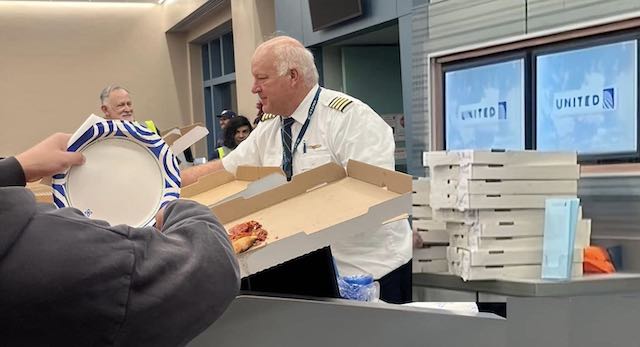
United Pilot Scott Wardle buys pizza for passengers – By Tanya Stamos via FB.

Today’s good news comes from the Good News Network. You may have seen this story, but I think Captain Wardle’s action is worth another look. Today is also the anniversary of the assassination of John F. Kennedy in Dallas Sixty years ago. I think he would like this story as well.

United Pilot Orders 30 Pizzas to Feed Passengers After Emergency Landing for Medical Care

By

A United Airlines pilot has become a social media sensation after personally overseeing the order and distribution of 30 pizzas to 155 passengers on his flight.

Now monikered the “Pizza Pilot,” Scott Wardle says that after 30 years of piloting for the Air Force and as a civilian, he knows what it feels like to be stuck at the airport and that he just “had to do something to show we care.”

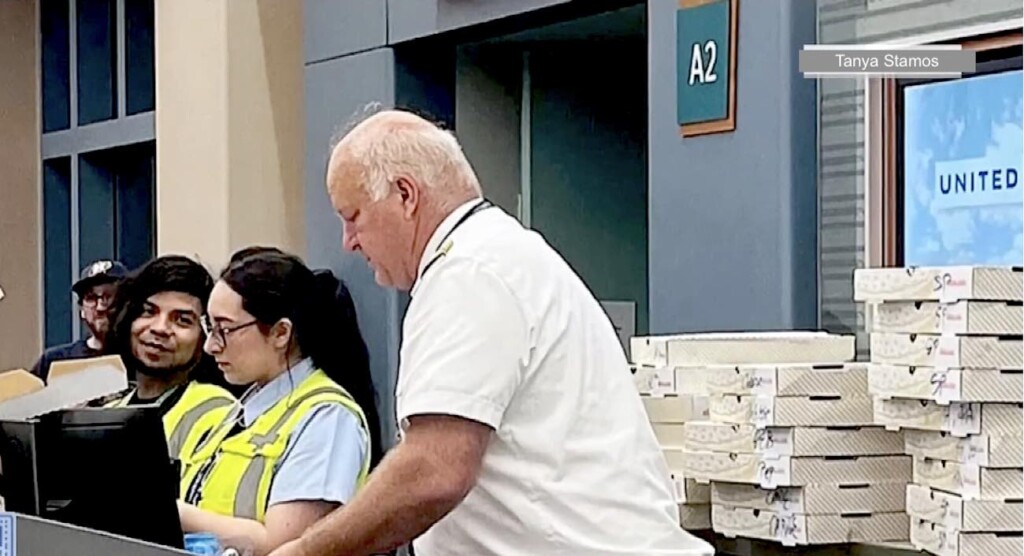
United Pilot Scott Wardle serving dinner he bought for passengers – Tanya Stamos via FB.

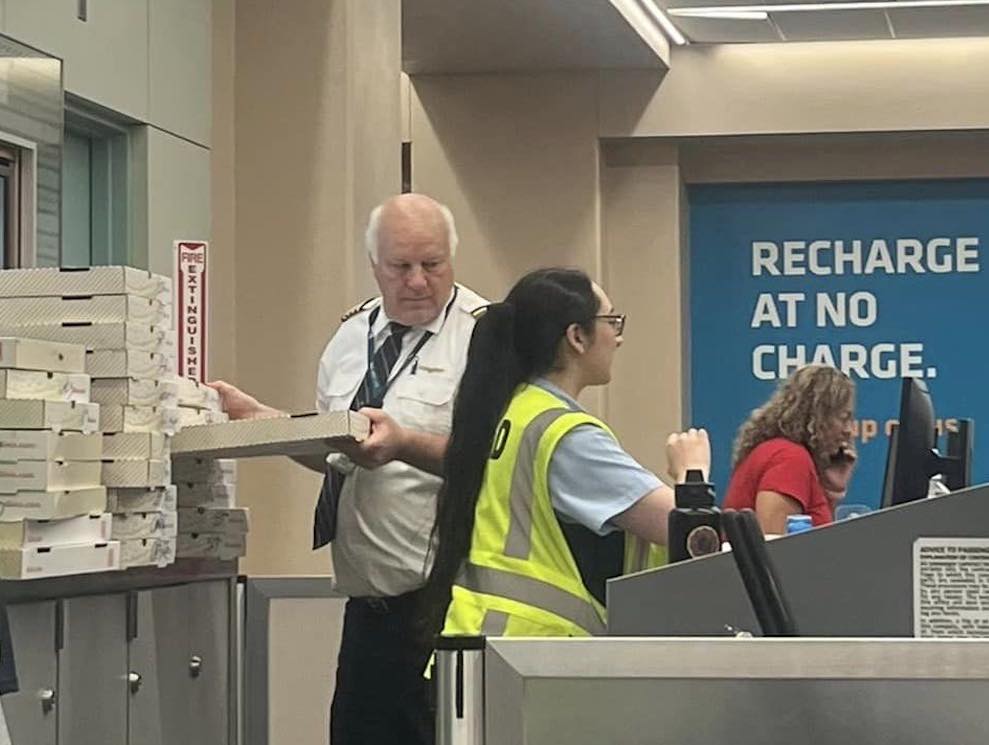
Well, that care took off, with posts and photos of Wardle handing out pizzas using the check-in counter at the gate as a kitchen counter going viral.

The story began when the Boise-based Wardle was all set for a flight to Phoenix via Houston. About 45 minutes into the trip, the flight crew called to inform him that a patient had fallen unconscious.

Though two nurses and a medic were on board, Wardle felt he couldn’t take any chances, so he came in for an emergency landing at Albuquerque.

Hoping to get the passengers back underway as soon as possible, he suddenly received word that his cabin crew had maxed out their hours, meaning he had to wait for a new set of attendants.

“I made sure to confirm they were on the way with the company, and then I thought, I got to do something with all these people,” Wardle told KTVB 7. “So, I started exploring some options at that point for what I want to do. I came up with the idea of doing pizza for everyone. It’s an easy thing. Most people like pizza.”

Wardle says he loves his job, and the only burden he felt during the whole ordeal was compassion and sympathy for the passengers. He picked up the phone and started ordering dozens of pizzas.

As he began passing them around with plates and napkins, the passengers took notice.

The viral photos and videos reached virtually every corner of Wardle’s social life, with old Air Force buddies and even his graduation class of 1984 and phoning him to say they saw him serving pizza in his pilot uniform.

Pilot Scott Wardle ‘recharges with pizza for free’ – Tanya Stamos via FB

“I didn’t think it was that big of a deal. I just did my thing,” Wardle said. “Many pilots in our company do this sort of thing; I just happened to get my picture taken.”

United Airlines insisted on reimbursing him for the pizzas. They applauded a hero of the friendly skies who waited until every passenger had a slice before sitting down for a pie.

The good news in this story is one person cared about the care and comfort of others. Today’s JohnKu talks about caring. I hope you have a peaceful weekend.

Others by John W. Howell © 2024

When someone has care,

For others more than themself. . .

Angel makin’s there.

Friday JohnKu – AKA – TGIF – FriYay/Goodnews

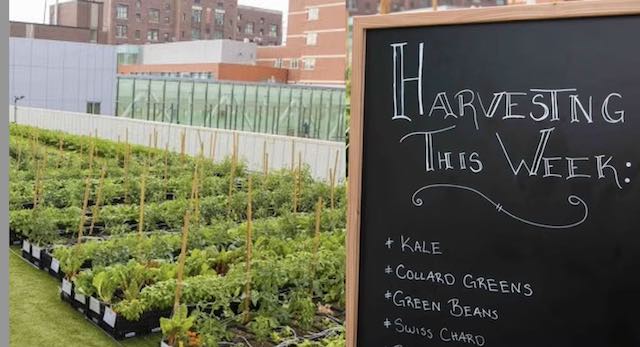
First Hospital Rooftop garden-released by Boston Medical Center

Today’s good news Comes from The Good News Network.

Boston Hospital Is Treating Food as Medicine with its Own Rooftop Garden

It’s a worldwide paradox: why is it so common for hospital food to be essentially bad for you?

Tackling the problem head-on, Boston Medical Center—already one of the greenest hospitals in the nation—has opened two extensive rooftop gardens. These gardens give patients and physicians access to fresh food while adding green space to the hospital campus.

BMC had one rooftop garden, through which it supplied fresh foods to its cafeteria and inpatient catering. Now, a second one, utilizing the ample rooftop space of the hospital campus, can also provide fresh foods to underserved communities, cementing BMC as a place of healing, whether through a shot in the arm or a vibrant kale salad.

Through a partnership with Boston Area Gleaners, fruits and vegetables cultivated in the 4,915-square-foot grow space will be distributed to local non-profits and community centers twice weekly during the growing season. This will address food insecurity and increase access to essential fresh foods across Boston.

Called the ‘Newmarket Farm,’ it triples BMC’s total grow space and quadruples the amount of produce BMC expects to grow annually. The new garden will specialize in growing vegetables, including collard greens, kale, and arugula, as well as culturally relevant crops, including Aji Dulce peppers, bok choy, and callaloo.

It will also advance BMC Health System’s commitment to sustainability. The green space reduces heat-absorbing pavement in the community and slows stormwater runoff impact, as plants collect and retain rainwater directly. The garden operates while reducing water waste through high-tech irrigation that waters the crops directly at the root.

“Our rooftop farms increase green space in our community, reduce the hospital’s carbon footprint, and strengthen at-risk local food systems. We are proud to expand fresh food availability in the local community while adding more pathways to support critical clinical programs, like the Preventive Food Pantry, in our hospital,” said David Maffeo, Senior Director of Support Services at BMC.

“The Newmarket Farm models how hospitals can further invest in the health of our communities while building environmentally resilient spaces.”

BMC has a program called Food Is Medicine, which works with a local grocer to craft labeling formats that speak directly to citizens’ disease risks and/or desire for knowledge about better nutrition.

For example, food items that may help control blood sugar are expressed on the packaging as being better for diabetics, or foods that may help lower blood pressure are labeled as potentially heart-healthy.

The city’s cultural diversity has seen the labeling materials printed in a variety of languages, from Vietnamese to Haitian-Creole.

The good news in this article is space is being put to use for the good of the community and hospital patients. Today’s JohnKu talks about clear thinking. I hope you have a lovely weekend.

Genius by John W. Howell © 2024

Who’s idea was that?

To use roofspace to feed folks . . .

Utter pure brillance.


Friday JohnKu – AKA – TGIF – Fri-Yay/Good News

Credit – John Pavart, supplied to ABC News.

Today’s good news comes from the Good News Network.

Local Artist’s Painted Coconuts Have Become a Sensation–and Are Now Found All Over the World


Artists come from all corners, in all shapes and sizes, and from every race and religion; John Pavart and his painted coconuts are a perfect example.

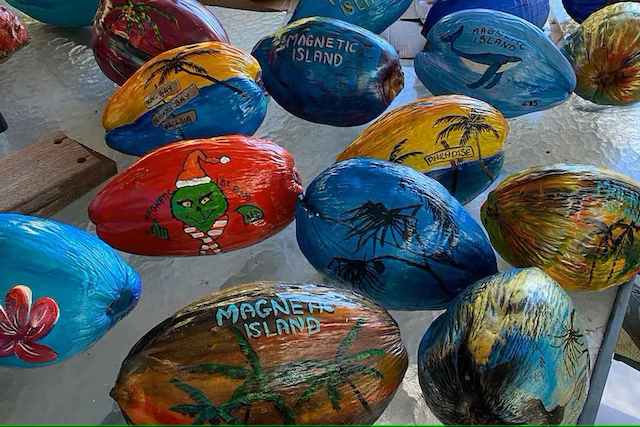
The former opal miner turned painter from Australia’s state of New South Wales has been painting coconut husks for years, leaving them around the beaches of Magnetic Island for tourists and travelers to find.

It’s become one of the chief charms of the island, even though Pavart started it on a lark.

“I just happened to have a bit of art gear on me and thought I’d pick one up and paint it,” he said, detailing the phenomenon’s remarkably simple origin. “I put it down, and someone picked it up, and they seemed to like it, so I just kept doing it.”

They often depict sea life and beachscapes, and by now, the thin “grey nomad,” a term used to describe Australians in their 50s who move around for months out of the year, believes he’s painted over 750 of them.

“Lots of people have found one, and it puts a smile on someone’s face,” Mr. Pavart told ABC News Au. “I’ve got them in Brazil, Spain, England—they’re all over the world.

Pavart’s coconuts are now so in demand he occasionally has to leave Magnetic Island for Queensland, the nearest continental shoreline, to look for more.

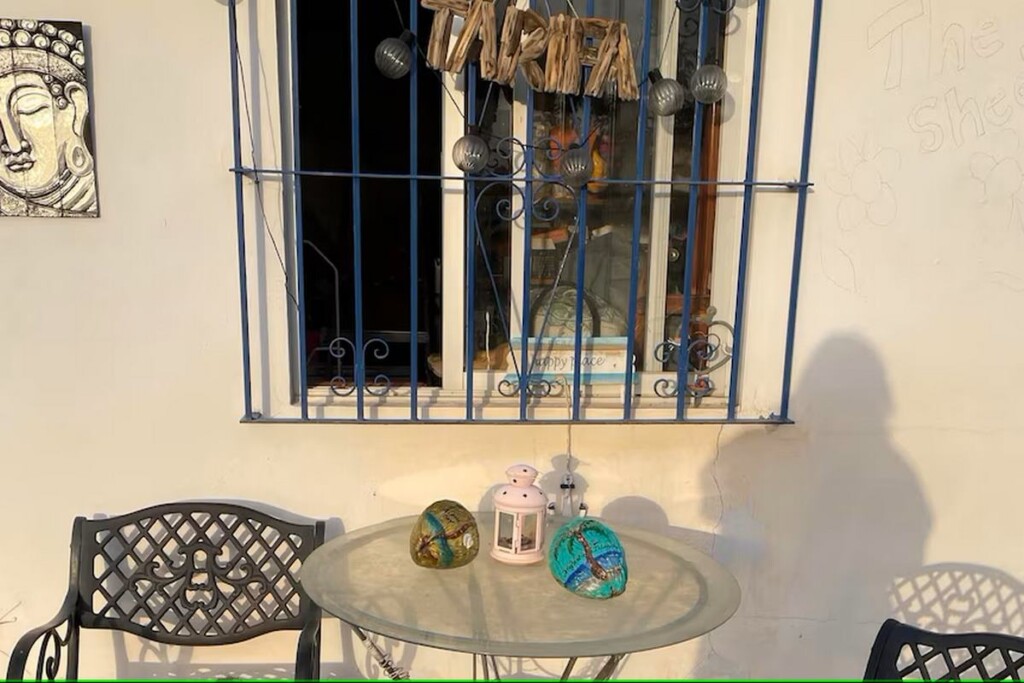
Some of the coconuts have made it to Spain – credit John Pavart, supplied to ABC News.

Once painted, he will leave a picture as a clue on a Facebook page he started to trigger a free treasure hunt, which routinely attracts many of the kids in the island’s town.

He joked with ABC that between himself and the rats, the beaches are completely clear of coconuts.

The good news in this story is one man is spreading cheer and goodwill for no other reason than to do it.

Today’s JohnKy talks about fun. I hope you have a great weekend.

Fun by John W. Howell © 2024

The world in chaos,

Needs a fun reason to smile . . .

Coconuts do it.

Friday JohnKu – AKA – TGIF – Fri-Yay/Good News

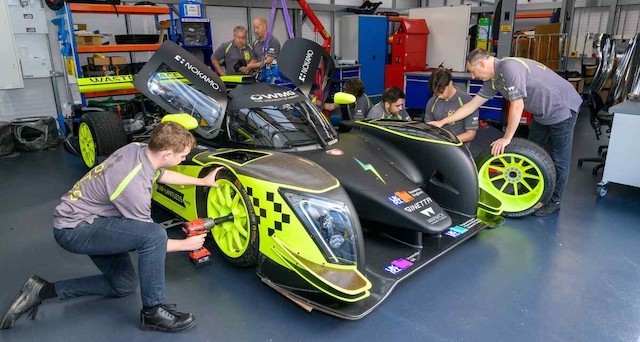
Waste2Race Le Mans Prototype race car – credit, SWNS


Today’s story comes from the Good News Network.

Hydrogen-Powered Car Fueled by Sewage Attempting to Break Land Speed Records

By Andy Corbley–

A hydrogen-powered car fueled by sewage and manufactured with various recycled materials may soon attempt to break several land speed records.

The car was built by Warwick Manufacturing Group (WMG) students at the University of Warwick. It will run off a byproduct of wastewater from the utilities company Severn Trent Water.

The Waste2Race Le Mans Prototype race car (LMP3) has been built from a selection of spare and unused parts to further its sustainable street cred in a world little-regarded for its sustainability—motorsport.

The car itself will be used to try to break one of several land speed records depending on how it performs, including the fastest standing and flying starts for both a mile and a kilometer. Its creators hope to have the car fully up and running in the next 6 to 12 months.

The parts themselves come from Ginetta, a British specialist builder of racing and sports cars based in Leeds. Among its green bits and bobs are recycled carbon fiber materials and a wing mirror made from beetroot waste.

The steering wheel is also 100% natural, while the firm ENRG Motorsport contributed a battery recovered from a crashed road car.

“These sorts of collaborations are a great example of how businesses, universities, and the endless curiosity of our students can break barriers and push the boundaries of what’s possible,” said Head of the Sustainable Materials and Manufacturing Research Group at WMG, Professor Kerry Kirwan.

“We’re incredibly proud of the ingenuity of our students and wish them all the best of luck in their land speed record attempt.”

WMG staff and students aim to complete the car in 2025 and use it to showcase a wide range of sustainable concepts being developed across the university and industry.

“We have a firm commitment to support technologies that have positive impacts on our environment, from reducing the process emissions at our sites to developing the circular economy in our region and helping partners like the University of Warwick to realize potentially game-changing new technologies like this,” Richard Walwyn, Head of Asset Intelligence & Innovation at Severn Trent Water, said in a statement.

The project, ‘Waste2Race’, comes as manufacturers such as Alpine and Toyota are exploring hydrogen as a fuel for future racing cars. BMW recently announced plans for its first hydrogen car to go on sale in 2028.

Typically, hydrogen fuels are investigated for their potential to power heavy machinery such as planes, trains, and construction equipment.

The 24 Hours of Le Mans, one of the most famous motorsport events in the world, will open the race to hydrogen fuel cell vehicles in 2026 as a way of greening the event.

The Good News in this story is that motorsport racing is getting serious about carbon emissions. Today’s JohnKu talks about carbon emissions efforts. I hope you have a wonderful weekend.

Emissions by John W. Howell © 2024

We want to reduce,

Emissions in the U.S.  . . .

Who else is on board?

Friday JohnKu – AKA – TGIF – Fri-Yay/Good News

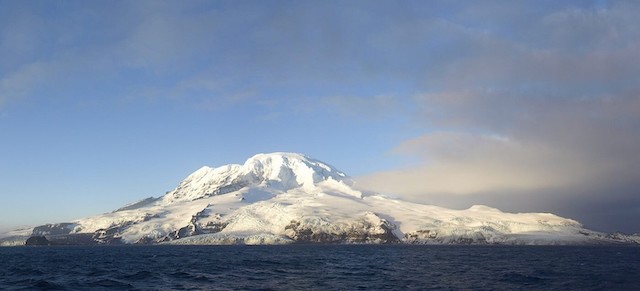
Heard Island, CC 4.0. BY-SA, Tristannew


Today’s good news comes from the Good News Network.

Huge environmental win’: Australia to Protect 52% of its Oceans, More Than Any Other Country

Over 10,000 square miles of protected area will be added to the Heard and McDonald Islands in Australia’s far southern territorial waters.

Coupled with other expansions of existing marine sanctuaries. By the end of the current administration’s term, Australia is on course to have 52% of its ocean territory protected, more than any other nation.

“This is not just a huge environmental win for Australia, it’s a huge environmental win for the world,” said Australian Environment Minister Tanya Plibersek. “This is a unique and extraordinary part of our planet. We are doing everything we can to protect it.”

Located over 2,000 miles south of the Australian continent, the Heard and McDonald Islands are about 144 square miles of volcanic terrain and represent one of the most remote places on Earth.

They are important breeding grounds for 19 bird species, including 4 species of penguins, and dozens of other bird species take refuge there. The area is a UNESCO Natural Heritage Site, a RAMSAR Wetland, and an Australian national marine sanctuary.

The quadrupling of the sanctuary borders amounts to 11.5 thousand square miles (30,000 sq km) of additional protection but represents one-tenth of the total proposed expansions of marine protected areas.

Under the current guidance, prepared by nationally sanctioned scientific surveys, the total marine protected areas will make up an area the size of Italy.

The current administration of Prime Minister Anthony Albanese is seeking to establish a new environmental protection agency, as well as set a high bar for the country’s commitments to an international philosophy of conservation governance known shorthand as “30×30” or “30 by 30,” which states that to prevent the worst effects of general environmental degradation worldwide, 30% of land and waters should be under protections. Often, the second thirty refers to a hypothetical 2030 deadline.

The good news in this article is that Australia’s leadership is taking serious steps to protect precious resources. Today’s JohnKu talks about serious environmental measures. I hope you have a terrific weekend.

The Environment by John W. Howell © 2024

Serious efforts,

Must be made to bring the world . . .

Into compliance.

Friday JohnKu – AKA – TGIF – Fri-Yay/Goodnews

Photo by Tim Mossholder on Unsplash


Today’s story comes from the Good News Network.

People Happy with Their Lives Are Less Likely to Suffer Heart Attack or Stroke

The analysis of health records of more than 120,000 adults in the UK with an average age of 57 found that people who are happy with their lives are significantly less likely to suffer a heart attack or stroke.

They were also less likely to develop coronary artery disease, suffer a heart attack or heart failure, or have a stroke than those with lower levels of well-being, according to the study published in the Journal of the American Heart Association.

Researchers suggest that a holistic approach to life that includes regular physical activities, social activities, and/or stress management techniques is an effective way to enhance personal well-being.

The study found that, compared to adults with a low sense of well-being, the overall risk of developing cardiovascular disease was 10% to 21%—being lower for people with the highest well-being scores.

Compared to adults with a low sense of well-being, people with the highest well-being scores had a 44% lower risk of coronary artery disease, a 45% lower risk of stroke, a 51% lower risk of heart failure, and a 56% lower risk of heart attack.

“Our findings support a holistic approach to health care, where enhancing a person’s mental and emotional well-being is considered an integral part of preventing heart disease and stroke,” said study senior author Professor Wen Sun of the University of Science and Technology of China.

“Health care professionals might consider including strategies to improve life satisfaction and happiness as part of routine care, such as recommending regular physical activities, social activities or stress management techniques as effective ways to enhance personal well-being.”

It is well-known that life satisfaction, or well-being, can increase mental health.

But, until now, the influence of well-being on cardiovascular health was less clear.

After reviewing questionnaires from more than 120,000 participants in the UK Biobank database, the Chinese research team assessed well-being related to satisfaction with family, friendships, health, finances, and general happiness.

They analyzed the potential connection of well-being with the development of four major cardiovascular diseases: coronary heart disease, heart attack, heart failure, and stroke.

The study also examined the impact of well-being on lifestyle factors and inflammatory markers.

“These results underscore the profound impact that emotional and psychological health can have on physical well-being, shedding light on intricate biological mechanisms that were not fully appreciated before,” Professor Sun said.

“They add to the growing body of data that psychological health can impact cardiovascular risk,” said Professor Glenn Levine of Baylor College of Medicine, who was not involved in the study, said of the findings. “Much of the focus on psychological health has understandably been on negative factors such as depression and stress.”

“This study emphasizes the importance of positive psychological health, including the more global factor of a person’s sense of well-being.”

The good news in this article is that we can control our physical health through our mental health. Today’s JohnKu talks about mind over matter. I hope you have a wonderful weekend.

The Mind by John W. Howell © 2024

Research shows the mind,

It is an effective health tool . . .

Needing care, as well.

Friday JohnKu – AKA – TGIF – Fri-Yay/Good News

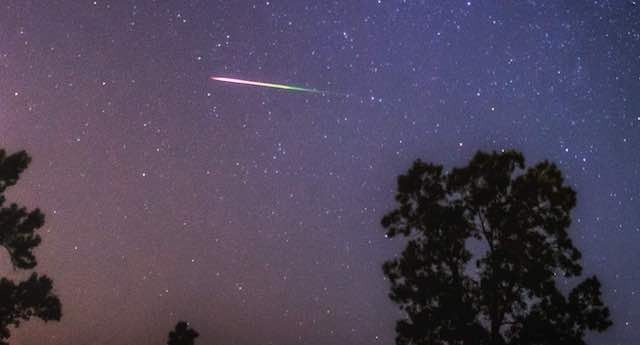
The Perseid Meteor Shower By Bill Dickinson, CC license


Today’s good news is from the Good News Network.

The Most Active Meteor Shower of the Year Arrives in Just 5 Days’ Time

The most prolific meteor shower of the year will be at its peak on the morning of August 12th, when 150 shooting stars can be seen per hour in the Northern Hemisphere.

The meteors are called the Perseids because they appear from the general direction of the constellation Perseus, but in modern times, they have shifted to radiate on the border between Cassiopeia and Camelopardalis.

According to Valerie at Space Tourism Guide, the Perseids Meteor Shower occurs when the Earth passes through a stream of debris left by Comet 109P/Swift-Tuttle.

Special conditions permit us to see the debris every August, even though the comet has a 133-year orbit around the Earth.

In a slight case of misfortune, there will be a quarter Moon in the sky that night, meaning that in already light-polluted areas with few stars, the Moon will make it slightly more difficult to see the meteorites.

However if one can position themselves in a rural-enough area with dark skies and plenty of visible stars, our solitary satellite won’t dampen the meteor shower too much at all. In fact, it might even make for a spectacular image.

A few other additional events are in the night sky this month, such as the close approach of the Moon and Mars on August 27th. They will appear just 5° apart, and both be present in the skies surrounding the constellation Taurus.

This is a great opportunity for those interested in learning more about their cosmic environment or as a crash course for little ones on how to find the Red Planet in the sky.

On the YouTube channel Learn the Sky, there’s a great guide for how to find Taurus in the night sky. Convenient to this article, it’s just under Perseus, where the meteor shower will arrive from this month. Also included in the Taurus sector is a famous deep-space object known from ancient times called the Pleides, also known as the Seven Sisters.

The good news is that we have the opportunity to observe a natural occurrence. Today’s JohnKu talks about nature. I hope you have a terrific weekend.

Opportunity by John W. Howell © 2024

Nature is a show,

If we know what to look for . . .

Always takes the breath.