Friday JohnKu – AKA – TGIF – Fri-Yay/Good News

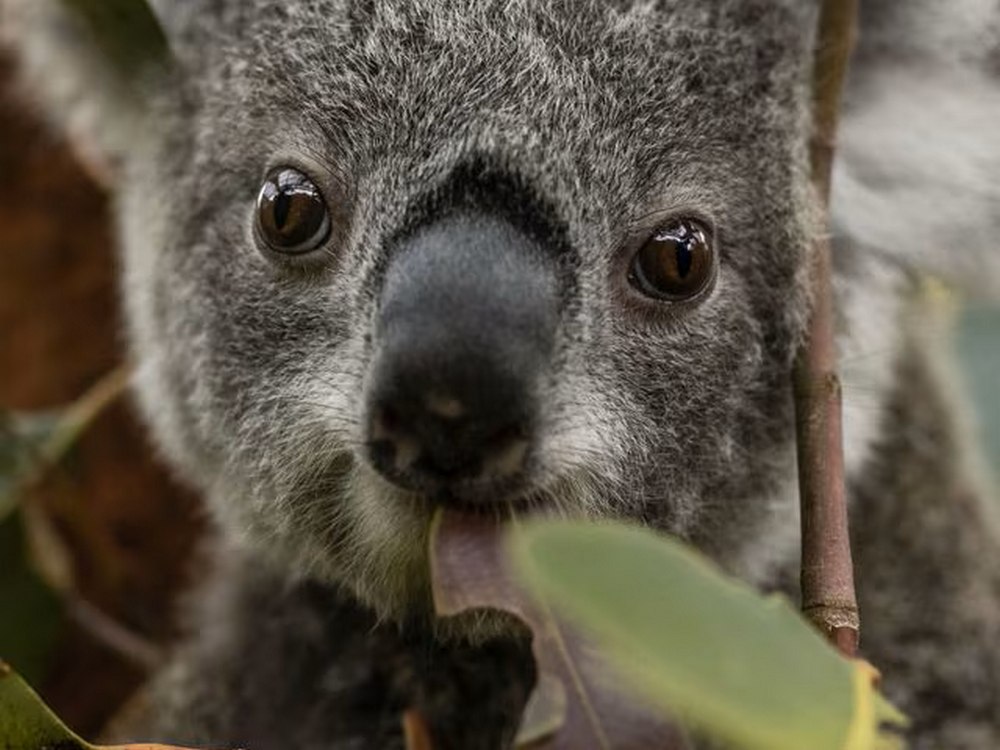
Supplied – Taronga Conservation Society
Today’s good news story comes from the Good News Network.

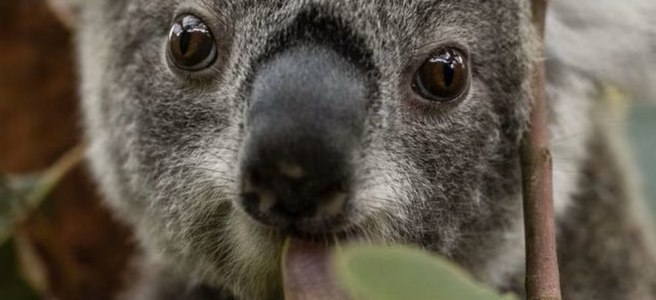
Ambitious Rewilding Project for Koala and Platypus Undertaken by Sydney’s Taronga Zoo

An Australian zoo credited with saving 7 native species from extinction aims to continue its vital work by rewilding a 3,050-acre tract of farmland.

The aim was to plant Box-Gum trees across the cleared land to act as a corridor to connect existing wildlife habitats.

The Taronga Zoo Conservation Society (TZCS) then plans to release platypus, koalas, spotted quolls, and the Endangered regent honeyeater.

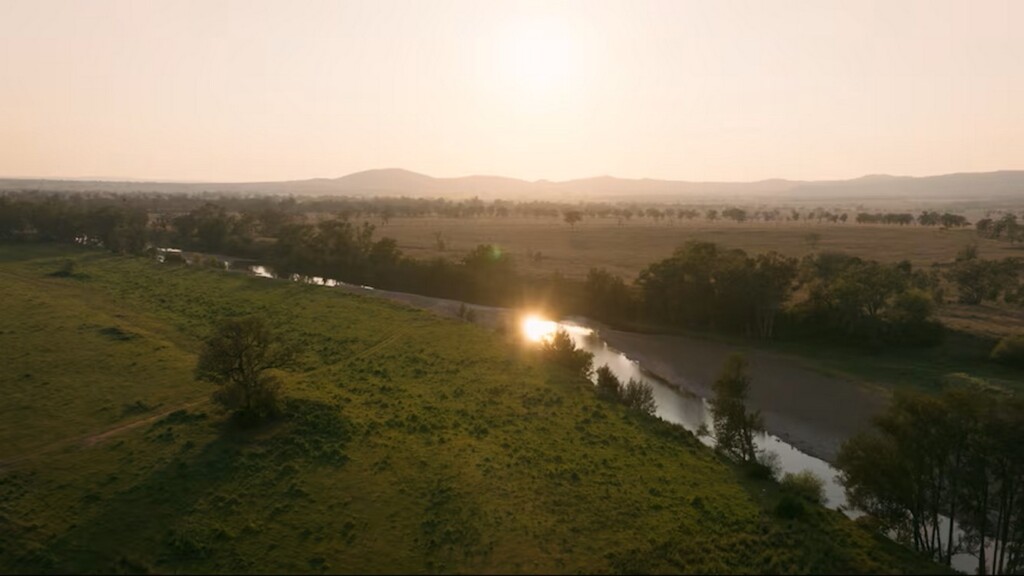
The farmland can be found on the Nandewar Range, part of the Australian continent’s Great Dividing Range, in New South Wales. It’s about 100 times bigger than the zoo that society maintains in the Sydney Harbor.

The TZCS estimates that around 1 million seedlings will be needed to restore native tree cover, after which they expect some species to return quickly.

CEO Cameron Kerr told ABC News AU that experts would then monitor how these native species recolonize the area and decide how to manage the species, expected to take a decade or more to fully reclaim their ancestral territory.

“What we are going to do is first of all establish the habitat and get the ecosystem looking after itself so that pest management and weed management will decline over time as the habitat becomes healthy,” Mr. Kerr said.
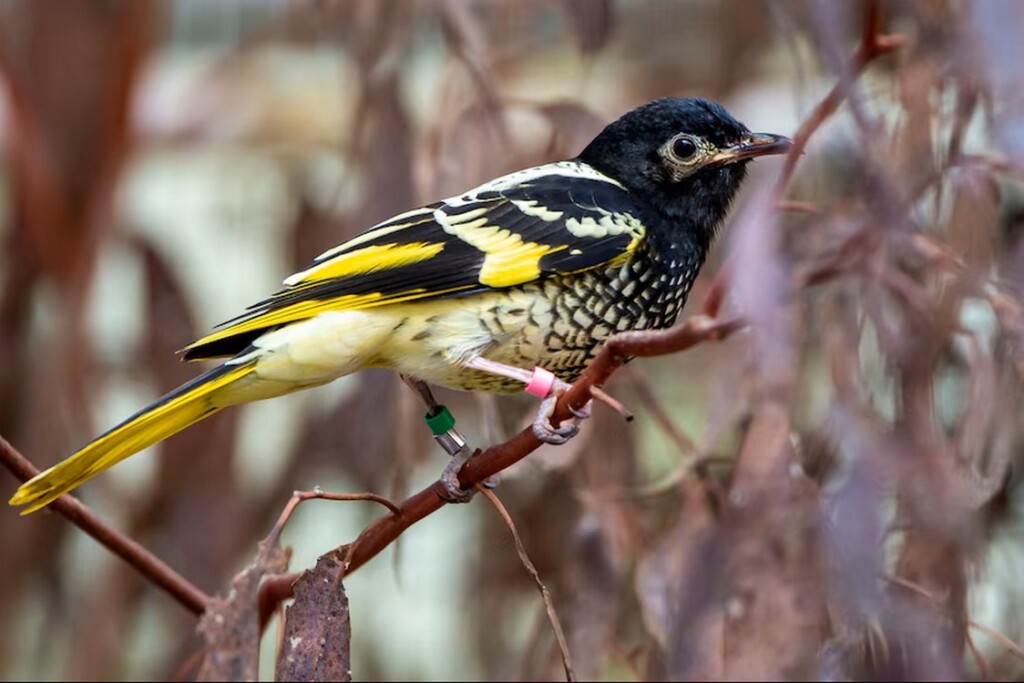
A regent honeyeater – supplied, Taronga Conservation Society

The landscape, in the Nandewar Range – supplied, Taronga Conservation Society

“At the right time we will assess what wildlife is coming in from outside and what wildlife we need to re-introduce.”

TZCS has extensive experience in reintroducing native species. ABC claims that 60,000 animals, from tadpoles to larger mammals like koalas, have been bred, reared, and released through the society’s 16 targeted breeding programs.

At the same time, rewilding landscapes will be a first for the zoo, and the Nandewar Rangeland is the only such project since it transformed 300 acres into the Western Plains Zoo in Dubbo.

Directors of the program are aware that the landscape isn’t free of invasive, predatory animals such as foxes and pigs, so feral animal control will have to be incorporated into plans. Kerr said that Australia can no longer rely on the forest landscapes it has left to protect native, threatened wildlife.

The nation has to actively begin restoring native forests if citizens want the continent’s panoply of curious native animals to survive long into the future.

The good news in this story is that native forests are being reestablished at the direction of zoo personnel with a look to the future. Today’s JohnKu talks about vision. I hope you have a lovely weekend.

Future by John W. Howell © 2025

A plan for today,

Must look into the future . . .

To save our planet.
Friday JohnKu – AKA- TGIF – Fri-Yay/Good News

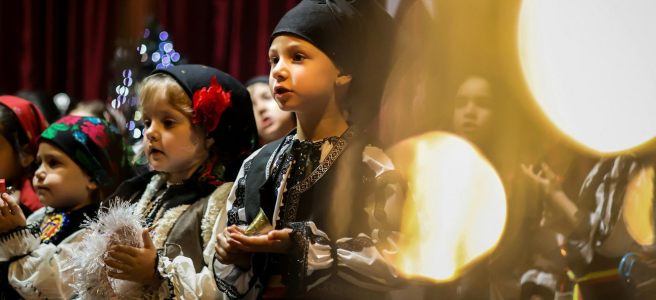
Flaviu Costin on Unsplash


This week’s good news story comes just in time for the holidays from The Good News Network.

Singing with Other People Improves Health More Than Singing Alone

Singing has been linked to numerous benefits for health, well-being, disease resistance, and recovery from injury. Still, when singing in a group, these benefits are greater than those of solo singers.

The research, though not new, still makes for a pretty darn good reason to join a caroling group or church choir for the holidays, or to take New Year’s Eve as an opportunity for some karaoke.

In this era of research into health and wellbeing, with more information available than ever, and expert voices contradicting recommendations at every turn—even those long thought to be made up of ‘settled science,’ it pays to set down some first principles.

Here’s one that serves as an effective guiding light in almost all situations: human health is the most resilient when existing in accord with our species’ evolutionary history.

Homo sapiens is a social animal, with virtually every facet of his lifestyle dependent in nature on his fellow man. Given that social isolation is deadly to our species, it probably shouldn’t be a surprise that harmonizing our voices together makes us feel better than belting out a song on our own.

Some scientists believe humans actually sang before we could speak: that we gradually expanded our capacity for vocalizations by mimicking the tones of nature.

Singing activates the vagus nerve, which modulates our body’s ability to calm itself. The activation is done through long and slow expirations and inhalations needed to sing whole verses and long notes, which doubles up with a thorough activation of numerous neural pathways on both sides of the brain, and a release of feel-good endorphins.

David Cox, exploring this topic for the BBC, wrote that singing also produces other measurable physical effects, including regulation of the heart rate and blood pressure. Singing in groups or choirs, Cox says, has even been found to boost \immune function in ways that simply listening to the same music cannot.

Some of this might be explained by the demands singing puts on the pulmonary system, which has been calculated to be as demanding as a brisk intensity walk. With cardiovascular exertion, there is health and greater physiological alignment, including in the immune system.

However, science has also shown that complete strangers can forge unusually close bonds after singing together in a way not seen in team sports, for example. This is called the ice-breaker effect, and very much captures the fact that singing can reveal the interior character of a person more than chit-chat can.

“I can’t speak for all the cultures of the world, but in the West, singing seems very much an extension of speech,” said GNN’s managing editor Andy Corbley, who was trained as a singer and worked as a children’s vocal coach before entering journalism.

“In my work, I found the children who were most eager to tell me about their life outside of classes were also the ones who projected their voice the most in the studio. I had one student who was a selective mute, and who wouldn’t speak with me—couldn’t even say hello—but after 90 minutes of coaching, was able to sing the words she ordinarily wouldn’t speak.”

“To my mind, it shows how singing begins with trust: trust in yourself that your words have value and power, and trust that those around you will listen to those words. That’s a very powerful, sort of, social contract.”

The good news about this story is it is good for the health to sing with others instead of avoiding them. Today’s JohnKu talks about getting together. I hope you have a lovely weekend.

Together by John W. Howell © 2025

The science shows it,

One case of good assembly . . .

Singing with humans

Friday John Ku – AKA – TGIF – Fri-Yay/Good News

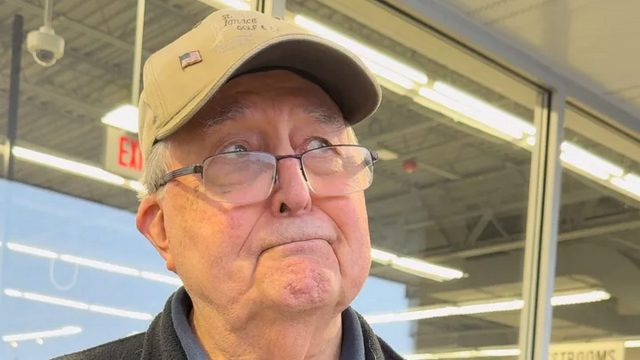
Ed Bambas the veteran – credit, Samuel Weidenhofer

Today’s Good News story comes from the Good News Network.

TikToker Crowdfunds $1.5 Million for 88-yo Army Veteran After Viral Supermarket Moment

By Andy Corbley –

In time for the holidays comes the incredible story of a stranger using GoFundMe to change a life.

Encountering 88-year-old Army Veteran Ed Bambas working at a local grocery store in Detroit, Australian content creator and TikToker Samuel Weidenhofer decided to try and raise some money to allow the man to retire.

The veteran, who lost his wife some years ago, works 8 hours a day 5 days a week after losing his pension when General Motors went bankrupt.

But Americans being one of the giv-iest breeds on the planet, the GoFundMe exploded with interest, such that, despite the moonshot goal being set at $1 million, a life-changing $1.5 million has been donated in just a few days.

A Mr. William Ackman donated $10,000 to this veteran who he never met, but it’s reflective of the overall response, both in the donations and the words of support section, where between veterans and active duty service members, and the general public at large, the message was clear: we’ve got your six.

“Every dollar we raise will go directly to supporting him: helping with living expenses, medical care, and the small joys that make life meaningful,” Weidenhofer wrote.

“Ed fought for his country, he worked his whole life, and now it’s our turn to fight for him. If you’ve ever been moved by someone’s courage, if you believe our elders and veterans deserve dignity, please consider contributing. Even sharing this story can help us reach more people who want to make a difference.”

Having met the fundraising goal, Weidenhofer is working around the clock to set up a bank account and trust in Bambas’ name where the money can be deposited safely and securely.

In a December 2nd update, Weidenhofer said that there is a planned surprise event for Bambas, who doesn’t know he will be able to retire with dignity after a life of hard work.

The good news in this story is how many were touched and then wanted to help Ed Bambas. Today’s JohnKu talks about generosity. I hope you have a wonderful week.

From the heart by John W. Howell © 2o25

An obvious need,

Was broadcast to many people . . .

The response was love.

I’m not sure the TicToc video will play but here it is.

@itssozer

88 year old veteran still working.. 😭❤️ (donate in B1O) #love #kind #veteran

♬ original sound – Samuel Weidenhofer

Friday JohnKu -AKA – TGIF – Fri-Yay/Good News

Photo by Francesco Ungaro on Unsplash


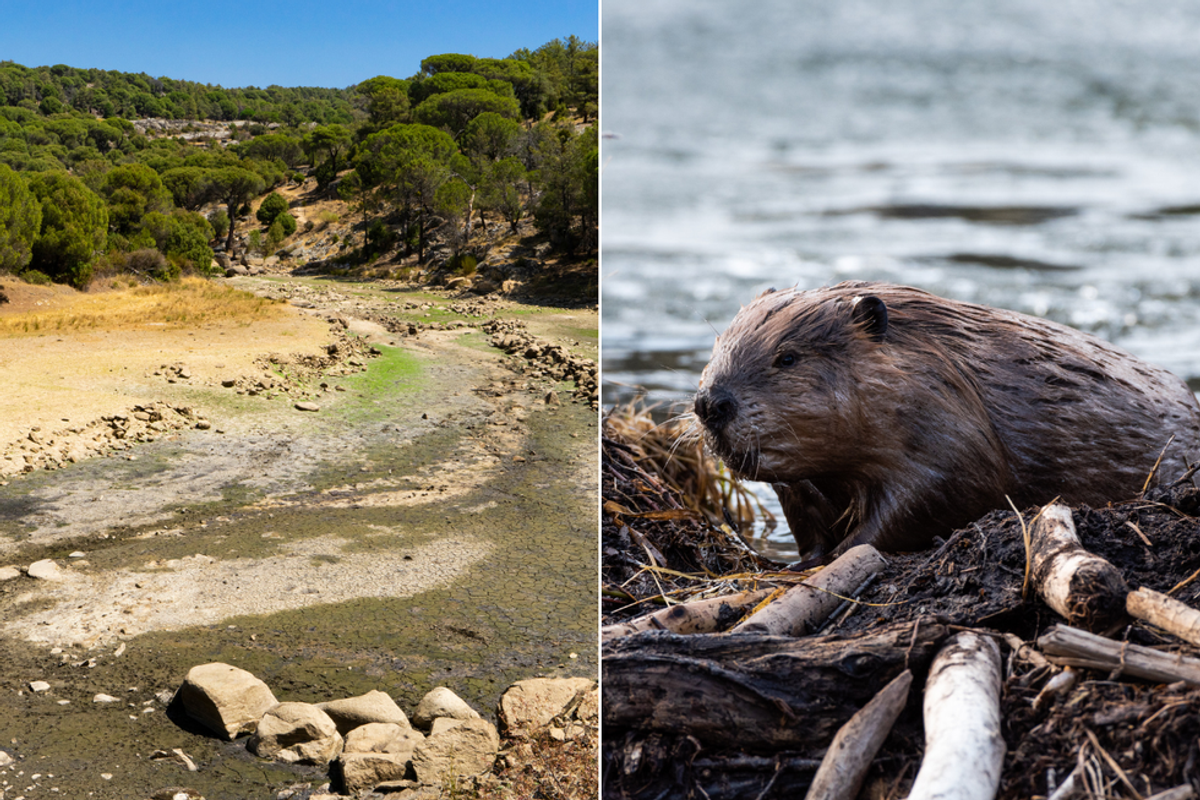
This week’s good news story is from Upworthy magazine. I ran a story about French Beavers on October 17th, 2025. Here is the link to that story if you missed it. This post is an update on what’s going on in America. Thanks to Noelle Granger for sending me this article.

Beavers were brought to the desert to save a dying river. Six years later, here are the results.

Their engineering feats are pretty dam incredible.

beavers, beaver dam, animals, wildlife, ecosystem, nature, earth, sustainability, deserts, waterways, rivers, pollution, climate change
Canva Photos

Can outsider beavers save this dried-up river?

It’s not easy being a river in the desert under the best of circumstances. The ecosystem exists in a very delicate balance, allowing water sources to thrive in the harsh conditions. These water sources in otherwise extremely dry areas are vital to the survival of unique wildlife, agriculture, and even tourism, as they provide fresh drinking water for nearby residents.

But man-made problems like climate change, overfarming, and pollution have made the job even tougher in some areas. Rivers in Utah and Colorado, part of the Colorado River Basin, have been barely surviving the extremely harsh drought season. When riverbeds get too dry, fish and other aquatic creatures die off, and wildfire risk increases dramatically.

About six years ago, one team of researchers had a fascinating idea to restore the health of some of Utah’s most vulnerable rivers: Bring in the beavers.

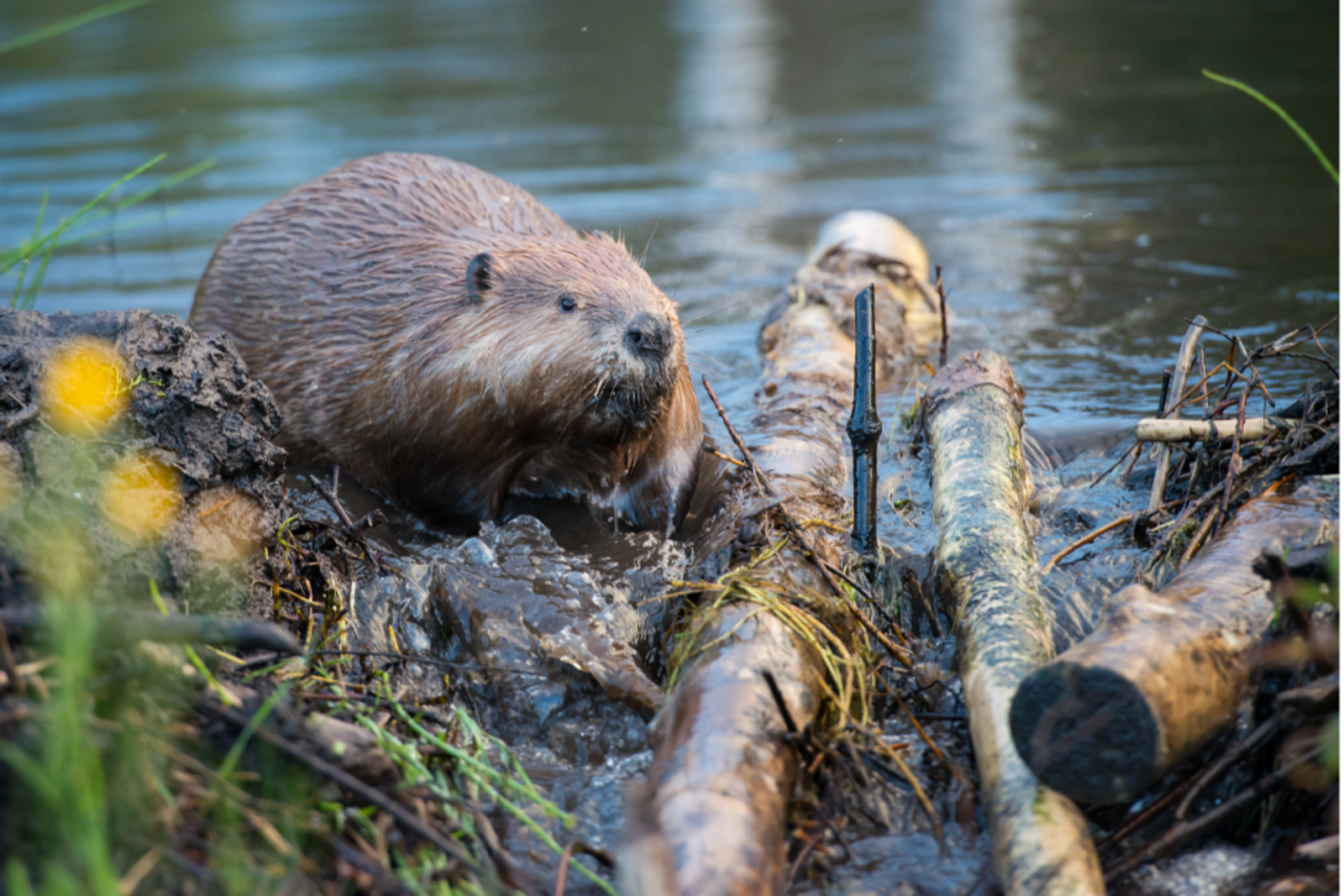
Beaver on riverbank. Canva Photos

In 2019, master’s student Emma Doden and a team of researchers from Utah State University began a “translocation” project to bring displaced beavers to areas like Utah’s Price River, in hopes of reviving the river.

Why beavers? Well, it just makes dam sense! (Sorry.)

In all seriousness, beaver dams restrict the flow of water in some areas of a river, creating ponds and wetlands. In drought-stricken areas, fish and other wildlife can take refuge in the ponds while the rest of the river runs dry, thus riding out the danger until it rains again.

When beavers are present in a watershed, the benefits are unbelievable: Better water quality, healthier fish populations, better nutrient availability, and fewer or less severe wildfires.

It’s why beavers have earned the title of “keystone species,” or any animal that has a disproportionate impact on the ecosystem around them.

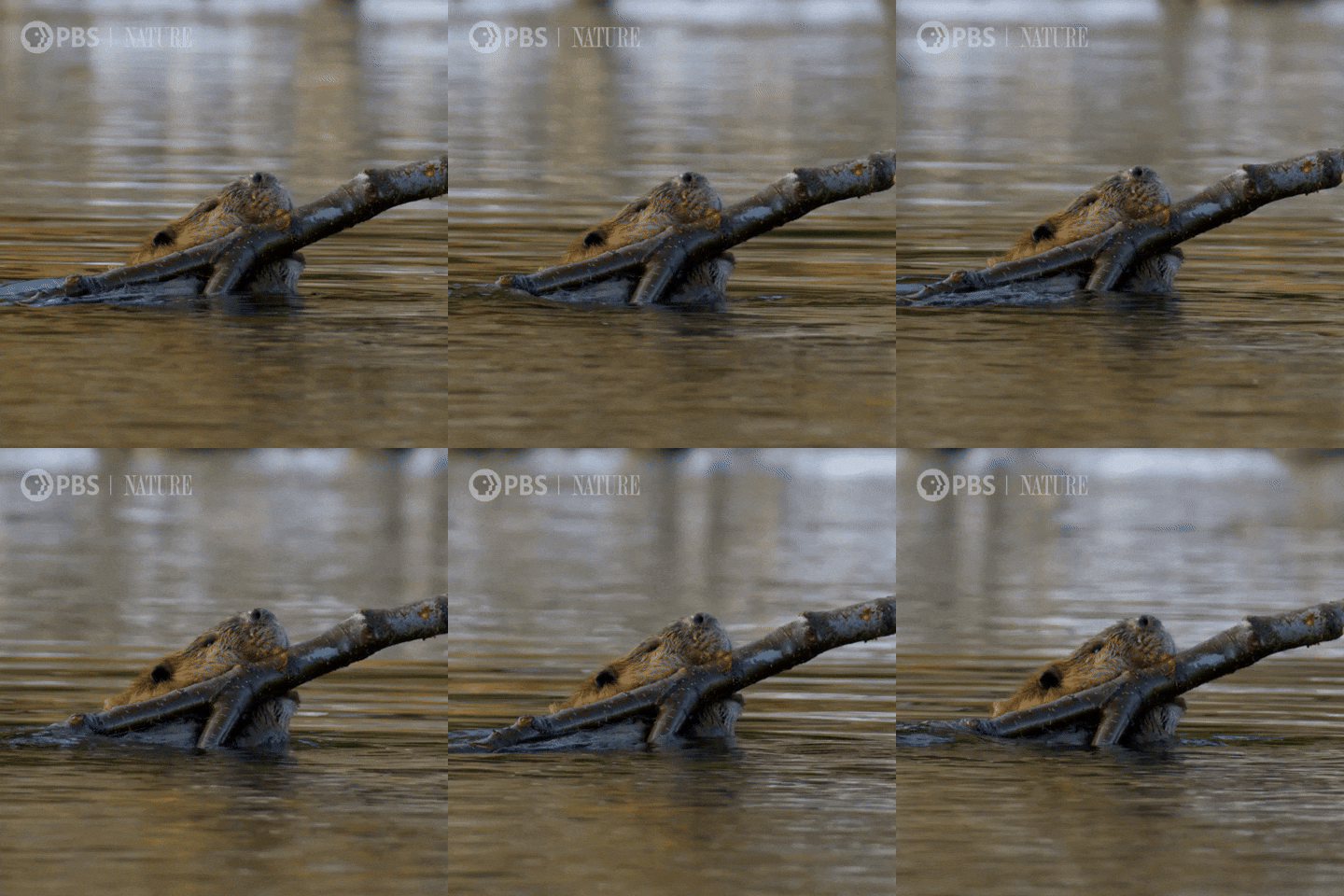
Pbs Nature Swimming GIF by Nature on PBS Giphy

Doden and her team took beavers who were captured or removed from their original homes due to being a “nuisance,” interfering with infrastructure, or being endangered, and—after a short period of quarantine—brought them to the Price River.

Despite the research team’s best efforts, not all the translocated beavers have survived or stayed put over the years. Some have trouble adapting to their new home and die off or are killed by predators, while others leave of their own accord.

But since 2019, enough have stayed and built dams that the team is starting to see the results of the effort. In fact, beaver projects just like this one have been going on all over the state in recent years.

The water levels in the river are now the healthiest they’ve been in years. The fish are thriving, and Utah residents are overjoyed with the experiment’s results.

According to an early 2025 column in The Salt Lake Tribune (i.e. six years after the beaver translocation began) the revitalization of the Price River has “helped save [our] Utah town.”

“A tributary of the Colorado River, the Price River runs through downtown Helper,” wrote column authors Lenise Peterman and Jordan Nielson. “On a warm day, you’re likely to find the river filled with tourists and locals kayaking, tubing, and fishing along its shore. A decade ago, it was hard to imagine this scene—and the thriving recreation economy that comes with it—was possible.”

Of course, it wasn’t JUST the beavers. Other federal water cleanup investments helped remove debris, break down old and malfunctioning dams, and place tighter regulations on agricultural grazing in the area, which depleted vital plant life.

But the experts know that the beavers, and their incredible engineering work, are the real MVPs.

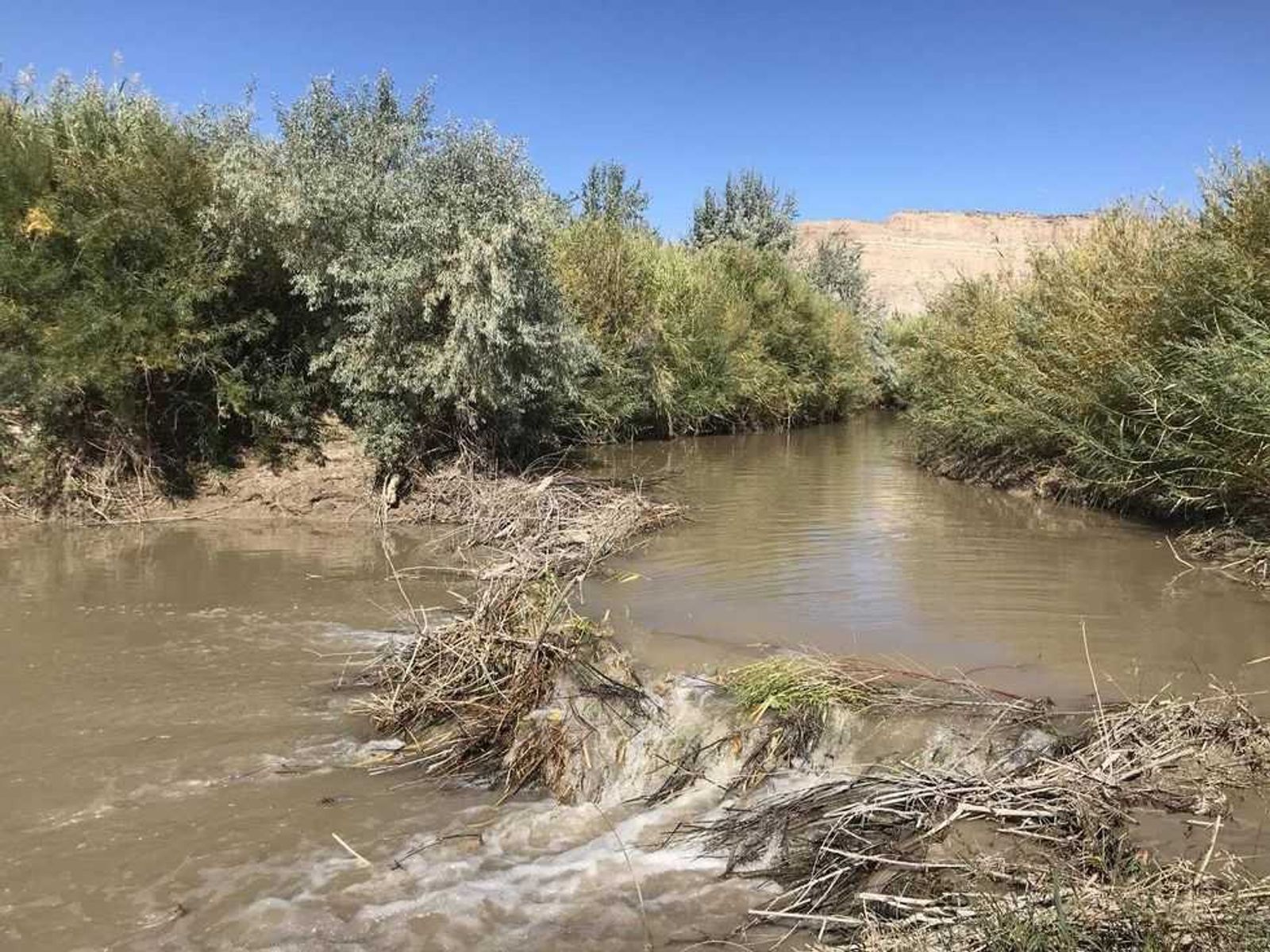
An actual beaver dam on the now-thriving Price RiverPublic Domain

In other drying, struggling rivers in the area, researchers are bringing in beavers and even creating manmade beaver dams. They’re hoping that the critters will take over the job as the rivers get healthier.

Utah’s San Rafael River, which is in bleak condition, is a prime candidate. In one area of the river, a natural flood inspired a host of beavers to return to the area, and “riparian habitat along that stretch had increased by 230%, and it had the most diverse flow patterns of anywhere on the river,” according to KUER.

It’s hard to believe that beavers nearly went extinct during the heyday of the fur-trapping industry and continued to struggle as they were considered nuisances and pests. Now, they’re getting the respect they deserve as engineering marvels, and their populations have rebounded due to better PR and conservation programs.

It’s about dam time!

The good news in this story is that humans are finally letting nature work her miracles. Today’s JohnKu talks about nature. I hope you have a wonderful weekend.

Stewards by John W. Howell © 2025

If we would just look,

At the wonders of Nature . . .

We would be stewards.


Friday JohnKu – AKA – TGIF – Fri-Yay/Good News

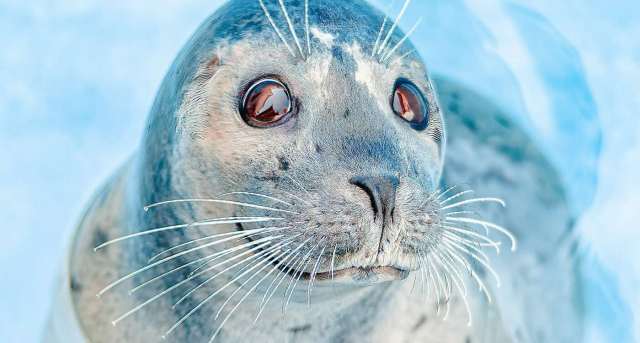
Seal in Florida – Credit: Robert Woeger via Unsplash


Today’s story comes from the Good News Network

Seal Flops onto Photographer’s Boat to Escape Hunting Orca Pod–She Captured it All on Camera


An experienced wildlife photographer with a penchant for marine mammals, such as whales, recently witnessed a lone seal miraculously survive a hunt by 8 killer whales.

Far more than just bearing witness, it was more or less the photographer’s presence that allowed it to happen, as the seal escaped the jaws of the hunters by clambering up onto the boat.

Shared with AP, Charvet Drucker told her story of the encounter that began last week on a whale-watching boat. About 40 miles northwest of Seattle, in the Salish Sea, she spotted a pod of orcas, also called killer whales, and observed behavior suggesting they were hunting.

Quickly attaching her telescopic lens, the orcas splashed into action, attempting to secure a meal out of an adult seal that was thrown into the air among the scrum of black and white bodies. Her shutter rang out in her ears as Drucker observed what she thought were the seal’s last moments of life.

Suddenly, the pod altered its course and headed straight for the boat, and she realized they were still hunting the seal. Following marine life regulations, the skipper killed the engines as the pod approached to avoid harming them.

That’s when the seal flopped out of the water and onto the flat panel at the back of the boat like it would a piece of ice in the sea.

“You poor thing,” Drucker can be heard saying, as the seal looks up at her. “You’re good, just stay, buddy.”

In the wild, orcas have ways of dislodging seals from tiny icebergs, and they went straight into their playbook, even though the safe haven was a boat, not an iceberg. They began to move toward the boat and execute a series of staggered dives that create subsurface waves that can rock a seal off its perch.

First documented in 1980, the orca’s strategy worked, but none among them were fast enough to catch the seal during the brief moments that it fell back into the water. After about 15 minutes, the orcas left.

It’s not the first time Drucker has witnessed this behavior, and she usually accepts the natural order of prey-predator interactions and is happy when the orcas get to eat.

“I’m definitely Team Orca, all day, every day. But once that seal was on the boat, I kind of turned (into) Team Seal,” she said in an interview with AP last Thursday.

Apparently, orcas near Washington that feed on seals are migratory, or “transient” orcas, and tend to be better fed than “resident” orcas that seem to specialize in eating salmon.

Watch the video

The good news in this story is the seal lived to see another day. Also, one missed seal is not a big deal for the orcas. They will find more. Today’s JohnKu talks about the natural way of things. I hope you have a super weekend.

Natural by John W. Howell © 2025

Prey and predictor,

Are nature’s natural way. . .

Respect the process.

Friday JohnKu – AKA – TGIF – Fri-Yay/Good News

– credit, Massachusetts DoT via AP

Today’s good news story comes from the Good News Network.

Dog Rescued from Boston Tunnel During Rush Hour After Playing ‘Will I Won’t I’ with Police – WATCH

There’s something truly wonderful about the sympathy we humans have for dogs—such that when a rambunctious stray grinds traffic to a halt in a Massachusetts tunnel, the reaction is just that—to stop and wait for police to rescue it.

The wrong-way rover was spotted foxtrotting along the side of the Ted Williams Tunnel in Boston during rush hour.

The black-and-white j-walker managed to avoid being hit long enough for police to respond to the call of a Good Samaritan, who informed them about the tragedy waiting to happen.

Surveillance video from the Massachusetts Department of Transportation shows several police cars and other motorists stopped in a staggered group as a policeman alights to try and coax the dog into the back seat.

After a short game of “will I won’t I,” the dog hops in the car and traffic flow resumed unimpeded. The police said that a notice was issued regarding the dog, in case an owner had been looking for it.

Here’s the video.

The good news in this story is people cared to protect a living thing who was in danger. Today’s JohnKu talks about responsibility. I hope you have a peaceful weekend.

Caring by John W. Howell © 2025

A living being,

Currently stressed to the max . . .

Deserves to be helped.


Friday JohnKu – AKA – TGIF – FRI-Yay/Good News

Photo by Wildlife SOS


Today’s good news comes from the Good News Network.

Virus That Kills More Elephants Than Any Other Cause Is Finally Defeated

Veterinary immunologists have developed a vaccine for a virus that’s one of the the leading killers of elephants in captivity and in the wild.

With no cure, and with a penchant for claiming the lives of elephant calves, elephant endotheliotropic herpesvirus (EEHV) has been responsible in recent years for the deaths of five elephants at England’s Chester Zoo, which participated in the development of the vaccine.

The EEHV vaccine’s successful early trials have been heralded as a “landmark moment” for the protection of wild and captive animals in conservation herds.

Delivered in a two-dose set, with the first containing a harmless, dead version of the virus and a second providing a booster to increase the immune response, it was found to trigger a robust immune response against EEHV with no harmful side effects.

“This is a landmark moment in our work to develop safe and efficacious vaccines,” said Professor Falko Steinbach, senior author of the study and a veterinary immunology professor at the University of Surrey. “For the first time, we have shown in elephants that a vaccine can trigger the type of immune response needed to protect them against EEHV.”

The team behind the development of the vaccine, which included scientists from the University of Surrey, Chester Zoo, and the UK’s Animal and Plant Health Agency, published a study presenting the findings from the vaccine trial in Nature Communications.

It showed by comparing blood samples of vaccinated elephants vs non-vaccinated elephants that the drug should be able to prevent herd members from dying of EEHV, and support conservation breeding programs across the world.

“EEHV has taken the lives of so many elephants, both in human care and in the wild, but this vaccine offers hope,” said Dr. Katie Edwards, lead conservation scientist at the Chester Zoo. “We can’t yet say this will be the end of EEHV deaths, but we have taken a massive step towards that goal.”

The good news in this story is that medical research is for animals as well. Today’s JohnKu talks about priorities. I hope you have a wonderful weekend.

Medical Research by John W. Howell © 2025

Research is not only,

To benefit humankind. . .

But all living things

Friday JohnKu – AKA -TGIF – Fri-Yay/Good News


This week’s good news story comes from Yahoo News ‘The Cool Down. Many thanks to Noelle Granger for sending this story to me.

Creature hunted nearly to extinction makes stunning comeback: ‘It’s thriving’

Hannah Slusher

In a remarkable win for both people and the planet, the Eurasian beaver — once hunted to near extinction in France — is making a triumphant comeback.

A single beaver family that arrived in the tiny hamlet of Montlahuc in 2020 has transformed a dry, sun-scorched pasture into a thriving wetland, showing how one small species can help fight the negative impacts of a warming world and revive local communities.

Montlahuc, a village of just 40 residents in the Drôme region, had suffered years of worsening drought that left meadows parched and local farmers struggling. But within three years of the beavers’ arrival, a once-barren field now holds more than 2,000 square meters of standing water.

Birds, insects, and lush green vegetation have returned, inspiring residents to rethink how they manage their land.

“We used to graze this land only once a year,” local farmer Marc-Antoine Forconi told Futura. “Now, it’s thriving.”

Beavers are often called “nature’s engineers” for good reason. Using their powerful teeth and instinctive building skills, they construct dams and channels that slow water flow and store moisture in the soil. This natural water management supports healthier ecosystems, creates habitats for other wildlife, and provides a low-cost, low-maintenance way to help landscapes withstand drought.

Inspired by their furry neighbors, Montlahuc farmers have even built their own small dams to retain water — though, as Forconi joked, “The beavers outperformed us.”

Once reduced to only about 100 individuals in the early 20th century, Eurasian beavers are now protected and number between 20,000 and 25,000 in France, according to Futura. The species’ return highlights how protecting wildlife can lead to unexpected climate solutions, echoing other success stories, such as the resurgence of gray wolves in Yellowstone or the rewilding of bison in Europe.

This quiet resurgence is more than a feel-good story. It’s a reminder that working with nature, rather than against it, can create healthier landscapes and a more resilient future for communities everywhere.

The good news in this story is that nature has once again demonstrated that good practices and effective land management can help reverse environmental damage. Today’s JohnKu talks about taking that lesson to heart. I hope you have a delightful weekend.

Lesson by John W. Howell © 2025

Nature keeps saying,

Take care of the land and it . . .

Will take care of you.

Friday JohnKu – AKA – TGIF – Fri-Yay/Good news

Today’s good news story comes from the Associated Press. This story was brought to my attention by The Producer.

Purrfect ending: Missing Virginia store cat found after hitching a ride to another state

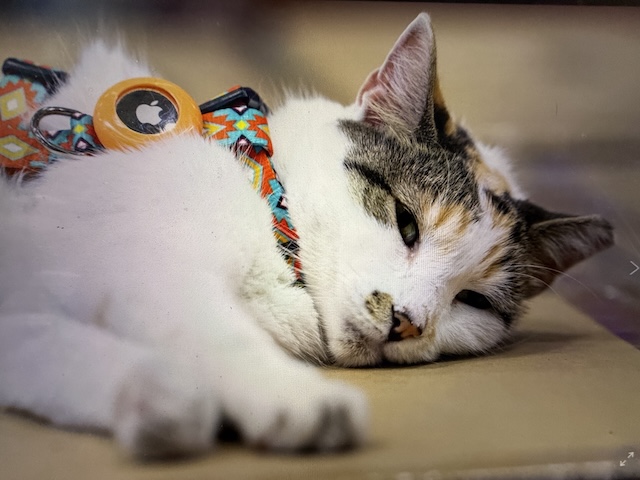
Francine, the calico cat, is back home at a Lowe’s store in Virginia after going missing for a few weeks, hitching a ride on a truck that turned up at a sister facility in another state.

Two employees from a Lowe’s in Richmond made the 90-minute drive early Monday to pick up Francine, who disappeared in September and was recently discovered at the company’s distribution center in Garysburg, North Carolina.

She was back on the job Tuesday, playing with customers, posing for photos, and soaking in affection.

In this photo provided by Lowe's, employees welcome back Francine, the store cat, after she disappeared unexpectedly in September, at the Richmond, Va., Lowe's, Tuesday, Oct. 7, 2025. (Kevin Ridley/Lowe's via AP)

In this photo provided by Lowe’s, employees welcome back Francine, the store cat, after she disappeared unexpectedly in September, at the Richmond, Va., Lowe’s, Tuesday, Oct. 7, 2025. (Kevin Ridley/Lowe’s via AP)

Francine spends much of her time either at the customer service desk or in the store’s seasonal area. But things went awry in September as the store brought in items for the upcoming Christmas season. Store general manager Mike Sida said that disruption may have prompted Francine to seek comfort elsewhere.

After store employees hadn’t seen Francine for a few days, they reviewed past surveillance video. There were glimpses of her in the appliance section and then the receiving department, where she darted into a truck. An overnight manager is then seen shutting the truck’s door, and off it went to Garysburg, about 85 miles (137 kilometers) to the south.

“And then, of course, when she got down to the distribution center, she shot off the truck,” Sida said. “That’s when we found out where she was, and she was missing.”

An animal control office set up humane traps at the distribution center, where photos of Francine were posted throughout. The center had dozens of monitoring cameras, and Lowe’s brought in thermal drones to survey the area. An Instagram account unaffiliated with Lowe’s dedicated to finding Francine grew to more than 34,000 followers.

On Saturday, Francine was spotted on camera near the distribution center. After more humane traps were installed, a volunteer checked each trap throughout the night. Finally, one of the traps triggered, and Francine’s meows could be heard.

In this photo provided by Lowe's, a customer welcome back Francine, the store cat, on Tuesday, Oct. 7, 2025, after she disappeared unexpectedly in September, at the Richmond, Va., Lowe's. (Kevin Ridley/Lowe's via AP)

In this photo provided by Lowe’s, a customer welcomes back Francine, the store cat, on Tuesday, Oct. 7, 2025, after she disappeared unexpectedly in September, at the Richmond, Va., Lowe’s. (Kevin Ridley/Lowe’s via AP)

Francine was a stray when she started living at the Lowe’s store more than eight years ago. Cats are commonly seen around feed stores and garden centers, which contain large amounts of grain and seed that can be attractive to mice and rats. In New York City, cats are beloved fixtures of the city’s bodegas and delis.

At the Lowe’s store, Francine “just showed up,” Sida said. “We had a bit of a mice problem. So, of course, I’m like, wow. I like this cat a lot because it’s helping me.”

Lowe’s doesn’t have an official policy about cats in stores. Asked why Francine wasn’t taken to someone’s residence after showing up, Sida said she is loved by employees and the community.

“Francine picked us. We didn’t pick her,” Sida said. “Later, we would embrace her as our store cat. But at the end of the day, she came to us. Where she’s at is where she wants to be. She does whatever she wants.”

Unlike Lowe’s employees, Francine does not wear a vest. She had been previously outfitted with several collars but escaped them all. Now they plan on fitting her with a harness that includes identifying information.

A local brewery will host a “Francine Fest” community event on Wednesday to celebrate the homecoming, while the store is planning its own team party.

The good news in this story serves as a poignant reminder of the attachment we have to those who love us unconditionally. Francine demonstrates that love every day. Today’s JohnKu talks about unconditional love. I hope you have a lovely weekend.

Love by John W. Howell © 2025

Humans give and take,

Our pets consistently give . . .

Unconditional.

Friday JohnKu – AKA – TGIF – Fri-Yay/GoodNews

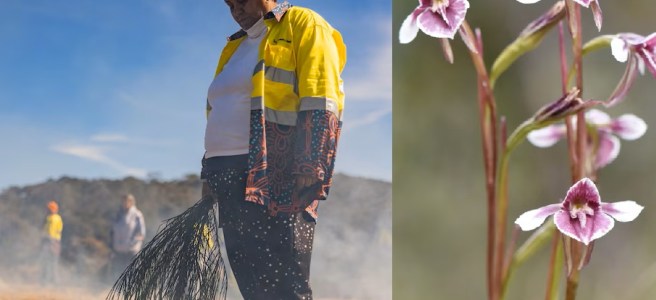
– supplied by Australia’s Department of Climate Change, Energy, the Environment and Water


Today’s Good news comes from the Good News Network.

Aboriginal Elders Lead Prescribed Burn–and Rare Orchids Appear by Thousands

By Andy Corbley –

Recapturing ancestral responsibility and restoring endangered orchids are the themes coming out of Australia’s scorched grasslands.

Burned by the cataclysmic bushfires of 2019, a national park called the Barrington Tops exploded in rare veined doubletail orchids, and now the traditional owners of the lands perform prescribed burns to aid these flowers in flourishing under duress from invasive species.

“During the… wildfires, fire jumped up here on the plateau,” Luke Foster, from the country’s Department of Climate Change, Energy, the Environment and Water (DCCEEW), told ABC News AU. “And in the burn footprint the following season, we had 4,000 [orchids] pop up right where the fire went through.”

Prior to 2023, it had been more than 50 years since the plain experienced a cultural burning, when slower, cooler fires are allowed to spread across the landscape according to elders’ deep knowledge of the terrain.

Birrbay, Warrimay, Wanarruwa, Gaewegal, and Guringay peoples all consider the Barrington Tops, called the Biyan Biyan Plain in their language, to be their traditional lands, and elders of these groups speak of a time when it was used as a place for gathering.

Warrimay elder Michelle Perry has been collaborating at the request of the DCCEEW to help lead the burning in aid of the veined doubletail orchid. According to Perry, Aboriginal groups have been conducting these burnings for millennia to prevent larger, more destructive wildfires from breaking out.

“There was a sense that they [our ancestors] were giving approval… it was just a sense of, ‘Yeah, they’re caring, watching.’ It has been one of the best things that’s happened for me and my family,” she told ABC.

So far the collaboration between the DCCEEW and some 150 different traditional owners has lit controlled fire to the Barrington Tops three times, and research is ongoing to study its effects on the orchids.

Ms. Perry relishes each chance to forge a greater connection to the land, and focuses on sharing and instilling that sense of connection into the younger generations of Warrimay and others.

The good news in this story is nature has a way to replenish treasured flora. Today’s JohnKu talks about how nature works. I hope you have a wonderful weekend.

Orchids by John W. Howell © 2025

Endangered orchids,

Rise from the flames to glory . . .

Nature sleeps till called.