
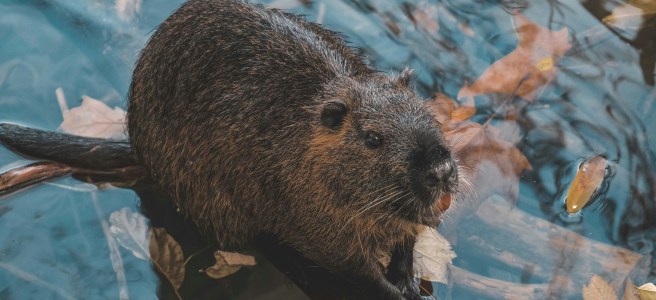
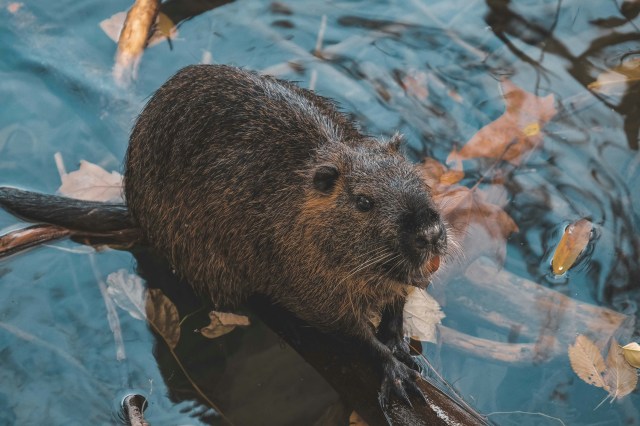
This week’s good news story is from Upworthy magazine. I ran a story about French Beavers on October 17th, 2025. Here is the link to that story if you missed it. This post is an update on what’s going on in America. Thanks to Noelle Granger for sending me this article.
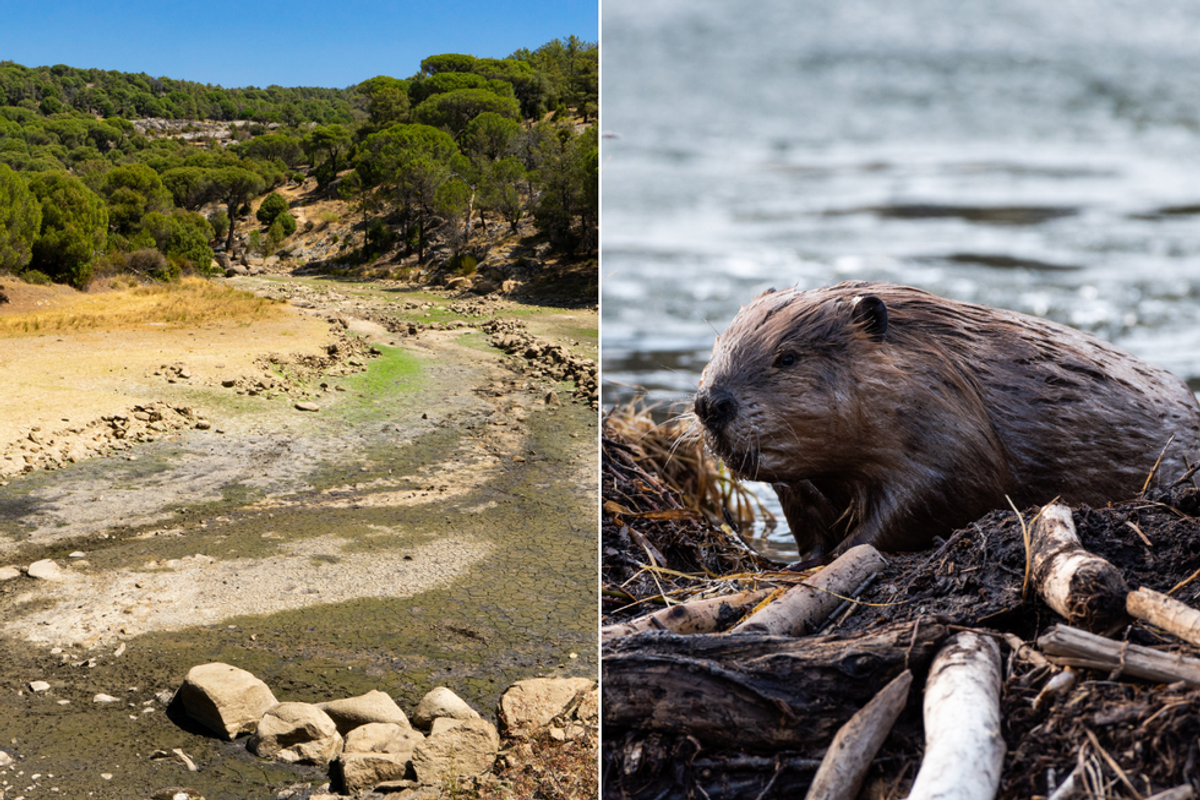
Can outsider beavers save this dried-up river?
It’s not easy being a river in the desert under the best of circumstances. The ecosystem exists in a very delicate balance, allowing water sources to thrive in the harsh conditions. These water sources in otherwise extremely dry areas are vital to the survival of unique wildlife, agriculture, and even tourism, as they provide fresh drinking water for nearby residents.
But man-made problems like climate change, overfarming, and pollution have made the job even tougher in some areas. Rivers in Utah and Colorado, part of the Colorado River Basin, have been barely surviving the extremely harsh drought season. When riverbeds get too dry, fish and other aquatic creatures die off, and wildfire risk increases dramatically.
About six years ago, one team of researchers had a fascinating idea to restore the health of some of Utah’s most vulnerable rivers: Bring in the beavers.
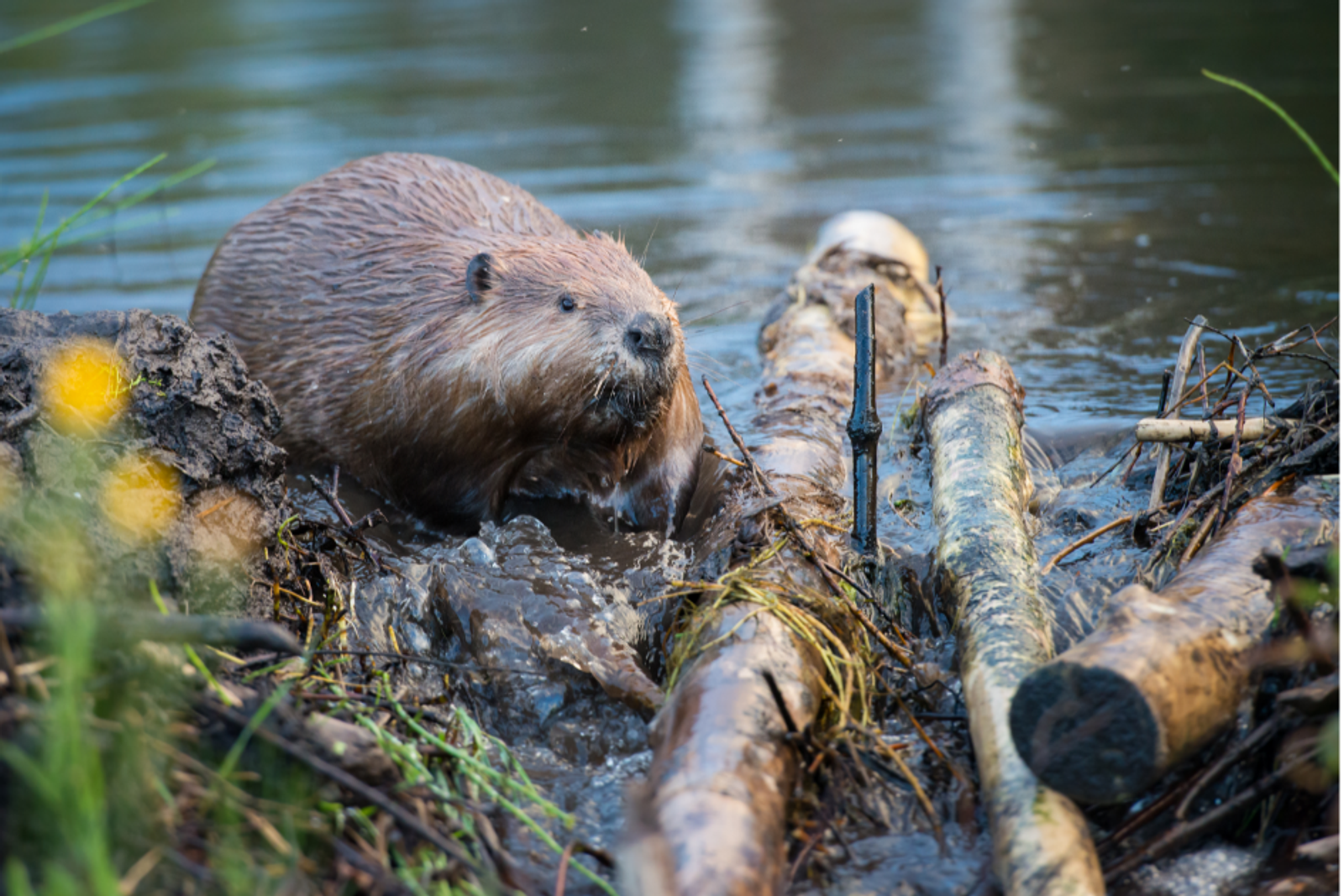
Beaver on riverbank. Canva Photos
In 2019, master’s student Emma Doden and a team of researchers from Utah State University began a “translocation” project to bring displaced beavers to areas like Utah’s Price River, in hopes of reviving the river.
Why beavers? Well, it just makes dam sense! (Sorry.)
In all seriousness, beaver dams restrict the flow of water in some areas of a river, creating ponds and wetlands. In drought-stricken areas, fish and other wildlife can take refuge in the ponds while the rest of the river runs dry, thus riding out the danger until it rains again.
When beavers are present in a watershed, the benefits are unbelievable: Better water quality, healthier fish populations, better nutrient availability, and fewer or less severe wildfires.
It’s why beavers have earned the title of “keystone species,” or any animal that has a disproportionate impact on the ecosystem around them.
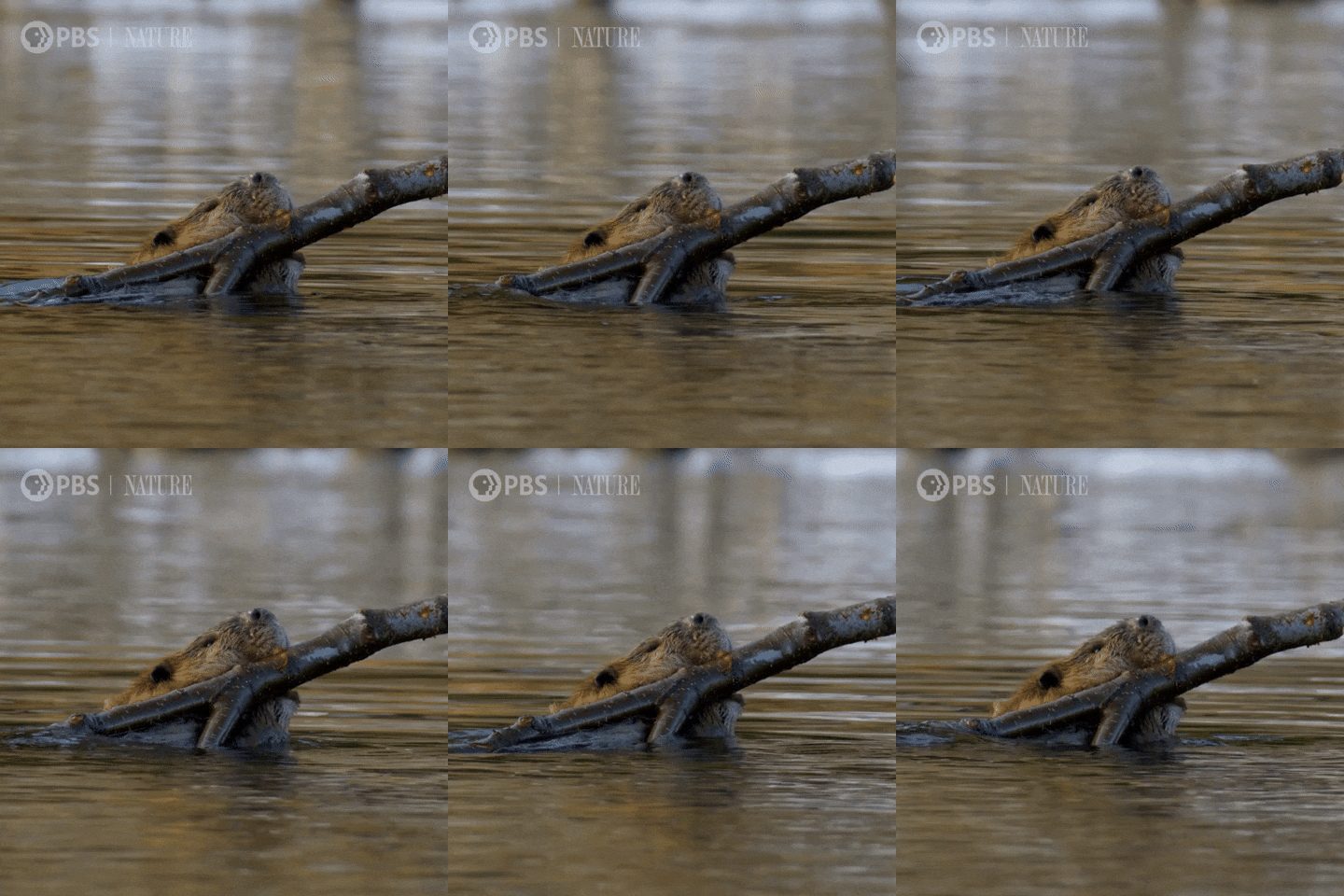
Pbs Nature Swimming GIF by Nature on PBS Giphy
Doden and her team took beavers who were captured or removed from their original homes due to being a “nuisance,” interfering with infrastructure, or being endangered, and—after a short period of quarantine—brought them to the Price River.
Despite the research team’s best efforts, not all the translocated beavers have survived or stayed put over the years. Some have trouble adapting to their new home and die off or are killed by predators, while others leave of their own accord.
But since 2019, enough have stayed and built dams that the team is starting to see the results of the effort. In fact, beaver projects just like this one have been going on all over the state in recent years.
The water levels in the river are now the healthiest they’ve been in years. The fish are thriving, and Utah residents are overjoyed with the experiment’s results.
According to an early 2025 column in The Salt Lake Tribune (i.e. six years after the beaver translocation began) the revitalization of the Price River has “helped save [our] Utah town.”
“A tributary of the Colorado River, the Price River runs through downtown Helper,” wrote column authors Lenise Peterman and Jordan Nielson. “On a warm day, you’re likely to find the river filled with tourists and locals kayaking, tubing, and fishing along its shore. A decade ago, it was hard to imagine this scene—and the thriving recreation economy that comes with it—was possible.”
Of course, it wasn’t JUST the beavers. Other federal water cleanup investments helped remove debris, break down old and malfunctioning dams, and place tighter regulations on agricultural grazing in the area, which depleted vital plant life.
But the experts know that the beavers, and their incredible engineering work, are the real MVPs.
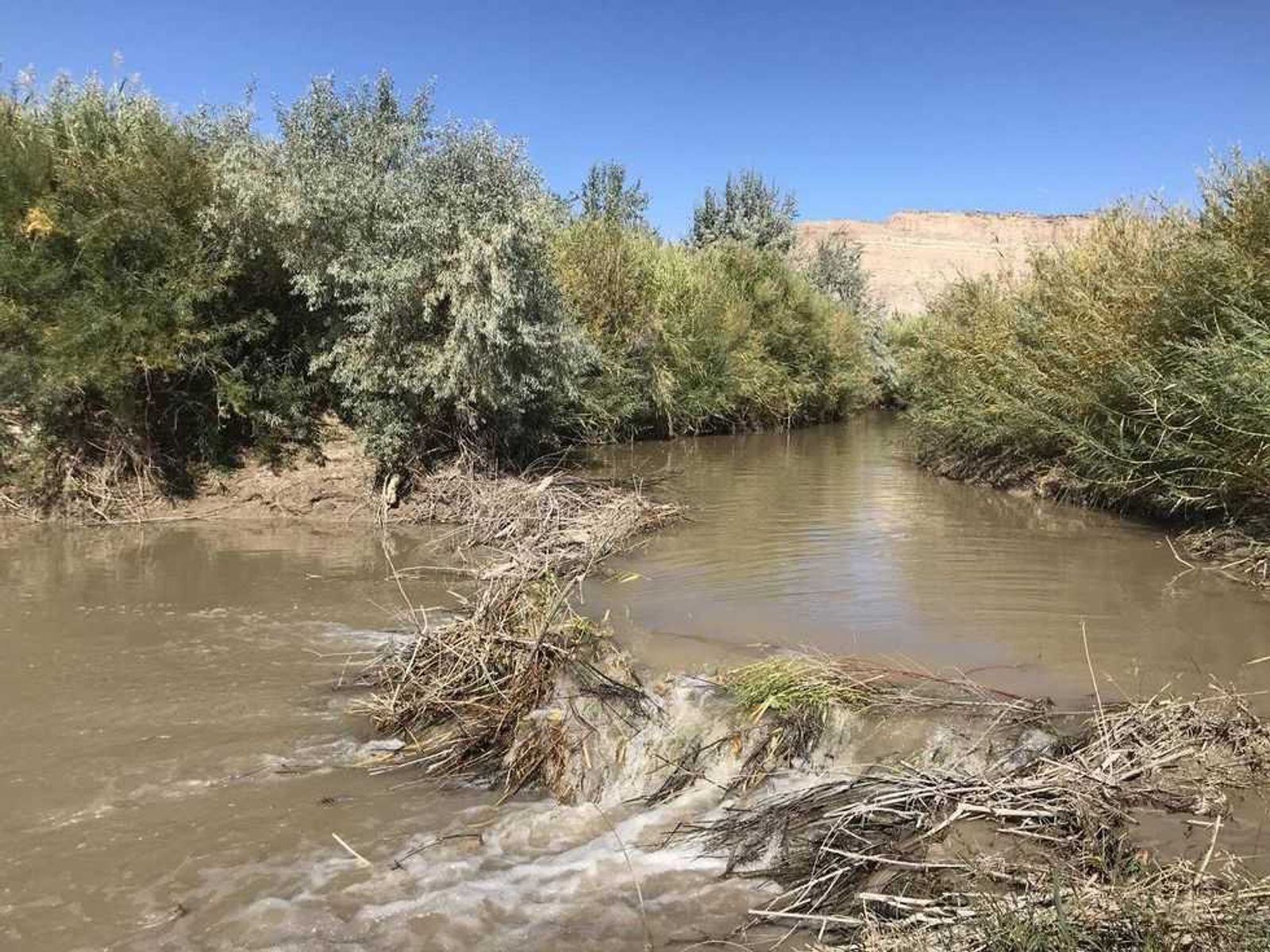
An actual beaver dam on the now-thriving Price RiverPublic Domain
In other drying, struggling rivers in the area, researchers are bringing in beavers and even creating manmade beaver dams. They’re hoping that the critters will take over the job as the rivers get healthier.
Utah’s San Rafael River, which is in bleak condition, is a prime candidate. In one area of the river, a natural flood inspired a host of beavers to return to the area, and “riparian habitat along that stretch had increased by 230%, and it had the most diverse flow patterns of anywhere on the river,” according to KUER.
It’s hard to believe that beavers nearly went extinct during the heyday of the fur-trapping industry and continued to struggle as they were considered nuisances and pests. Now, they’re getting the respect they deserve as engineering marvels, and their populations have rebounded due to better PR and conservation programs.
It’s about dam time!
The good news in this story is that humans are finally letting nature work her miracles. Today’s JohnKu talks about nature. I hope you have a wonderful weekend.
Stewards by John W. Howell © 2025
If we would just look,
At the wonders of Nature . . .
We would be stewards.

We can always trust Mother Nature to put things right… a lovely post John…
LikeLiked by 3 people
Thank you, Jaye. 😊
LikeLike
I’m glad these beavers are thriving. Sometimes I feel weary from reading about mankind’s disregard and disrespect for nature.
LikeLiked by 2 people
I think we all get weary at times, Robbie. 😊
LikeLiked by 1 person
What a marvelous story. Clearly, the beavers are capable of much more than serving as the mascot of our local Buc-ees.
LikeLiked by 2 people
Ha ha ha I agree, Linda.
LikeLiked by 1 person
So cute! How wonderful that they keep the beaver families together as they move them to a new location. But 46 lbs! I did not know they weighed that much. Wonderful work those little guys do.
LikeLiked by 2 people
They do, Lois. Thanks for the comment.
LikeLiked by 1 person
Any time we allow nature to do the work intended, things get better. The wolves, the beavers… Beautiful, John.
LikeLiked by 2 people
You are so right, Dale.
LikeLiked by 1 person
It happens… occasionally 😉
LikeLiked by 1 person
😀
LikeLiked by 1 person
I love these little critters. When we first came here, people were shooting beavers to prevent them from making dams, which weren’t doing anything untoward.
LikeLiked by 2 people
People are really dumb
LikeLiked by 1 person
Beavers are so cool.
LikeLiked by 2 people
They are.
LikeLike
Who would have thought beavers could save a nearly dried-up river? What a great story! Thanks, John.
LikeLiked by 2 people
I was pleased to get the story, Jennie.
LikeLiked by 1 person
🙂
LikeLiked by 1 person
This is damn good news, John! Go beavers (and I’m not talking about Oregon State.
LikeLiked by 2 people
Ha. ha ha. Go beavers
LikeLiked by 1 person
We’ve had beavers added to waterways near us and they’re doing so well. Great news story, John.
LikeLiked by 2 people
That is good to hear, Esther.
LikeLiked by 1 person
I love this story.
LikeLiked by 2 people
Thanks, Craig
LikeLiked by 1 person
Wonderful share, John. Reminds me of a similar article I r as a few years ago, and set in neighboring Nevada. We need more Beavers.
LikeLiked by 2 people
I agree.
LikeLiked by 1 person
We are blessed and the beavers can be proud!
LikeLiked by 2 people
Yes, they can.
LikeLiked by 1 person
I love it!!
LikeLiked by 2 people
😀
LikeLiked by 1 person
Hurrah, beavers. So happy to hear of their dam good work in Utah.
LikeLiked by 2 people
Me too, Rebecca. Thanks 😊
LikeLiked by 1 person
I would imagine that future generations of beavers would be more likely to stay put, given that it will be the only home they’ve known. Great story, John.
LikeLiked by 2 people
Yeah, I think so, too, Pete.
LikeLiked by 1 person
It is so great that Beavers came back. It is amazing what beavers can do. It is a great story. Guess what the fish said when he swam into a wall? Dam!
LikeLiked by 2 people
Ha ha ha. Thanks, Thomas.
LikeLiked by 1 person
It’s really great that the beavers did so much good for the Utah environment, and that they were used by intelligent people.
LikeLiked by 2 people
Yes. Those folks finally woke up.
LikeLiked by 1 person
Your story is truly filled with hope and inspiration.
It’s amazing to see how creatures like beavers can play such a vital role—reviving rivers, balancing ecosystems, and bringing new life to communities.
Your words remind us that nature itself is the greatest engineer; we only need to give it the chance to work its miracles.
This blog is not just informative but also a powerful call to embrace our responsibility as stewards of the earth.
Deeply admire your writing!
LikeLiked by 2 people
Thank you, Hary.
LikeLiked by 1 person
(>_<) → Overwhelmed, strong feeling
LikeLiked by 1 person
This is a great story of human insight and animals being left alone to bring balance to nature. Sad that not all the relocated beavers made it but for those who did, it shows how strong and resourceful they are. Thank you for sharing and cheers to Emma Doden and the team of researchers. And the beavers, of course! 🦫
LikeLiked by 2 people
Most certainly, cheers to the beavers. Thank you, Michele.
LikeLiked by 1 person
Thanks to you! I do remember the first share of this wonderful story.
LikeLiked by 1 person
I’m in love!
Thank you for this feel good story, John!
🦫X 🦫X
LikeLiked by 2 people
Beavers are the cutest. Thanks, Resa 😊X
LikeLiked by 1 person
The cutest!
OX
LikeLiked by 1 person
For sure.OX
LikeLiked by 1 person
OX
LikeLiked by 1 person
OX
LikeLiked by 1 person
Just amazing, John. Thanks so much for sharing this story. I always feel emotionally hopeful after reading your good news. This one made me very happy – especially for the beavers!
And just had to add – Twiggy and Tempeste look adorable in their AI outfits. 😀
LikeLike
Great story! And great to give the beavers something constructive to do too. 😁
LikeLiked by 2 people
Yes. They need to be kept busy … well, busy like beavers. 😀
LikeLiked by 1 person
Lol 🤣
LikeLiked by 1 person
😊
LikeLiked by 1 person
The term “busy as a beaver” is as true as true gets.
LikeLiked by 2 people
Nothing truer.
LikeLiked by 2 people