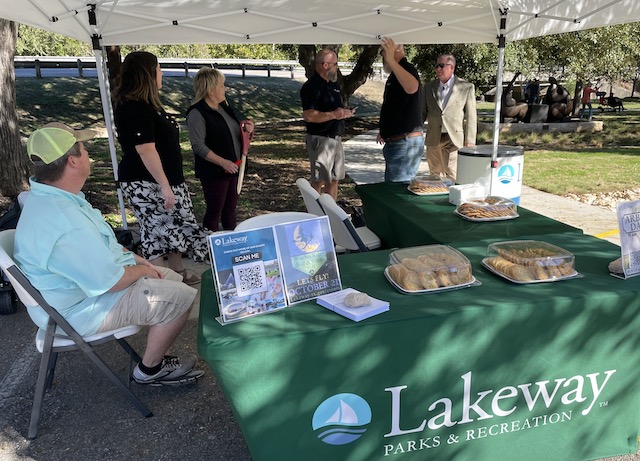
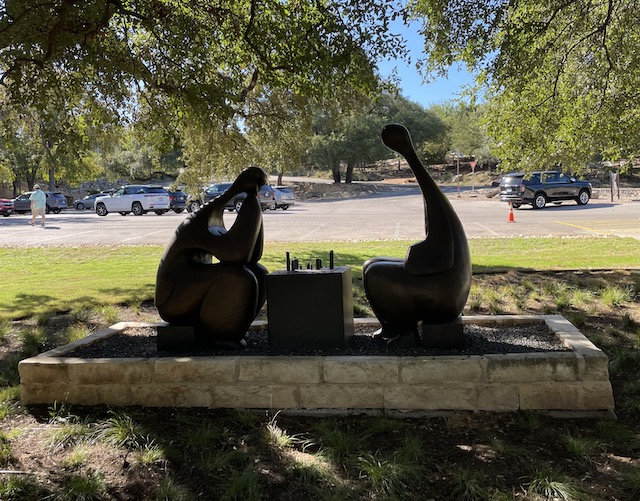
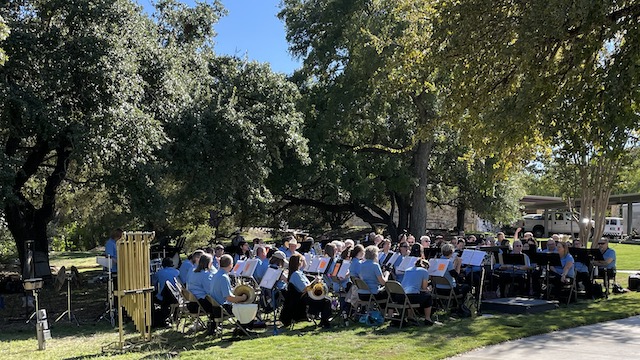
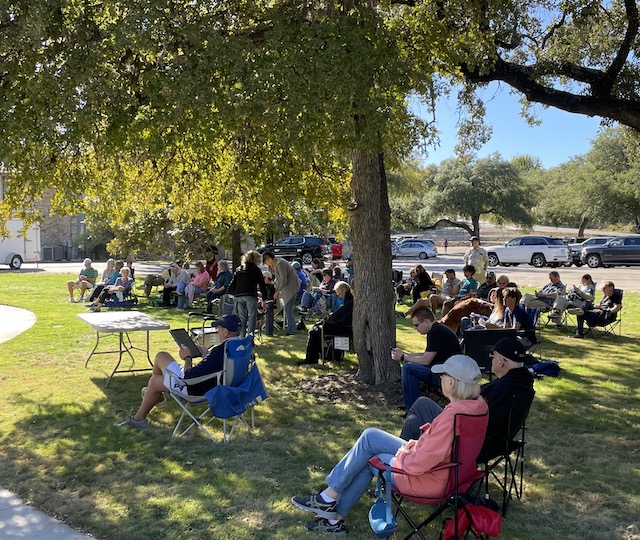
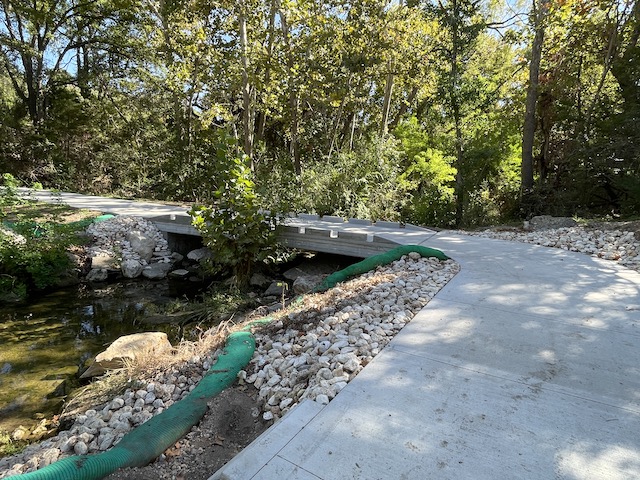
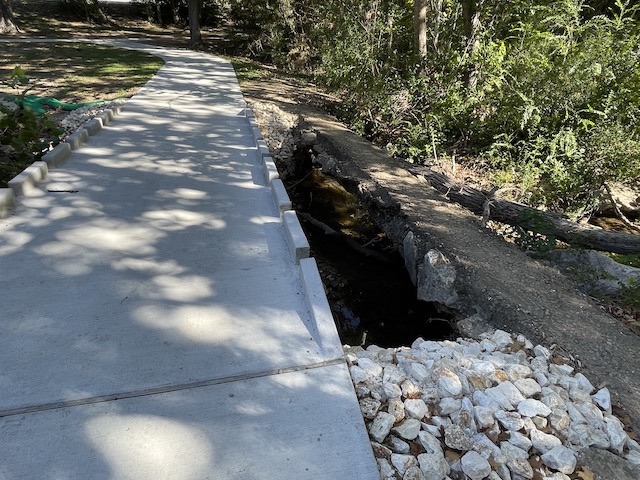
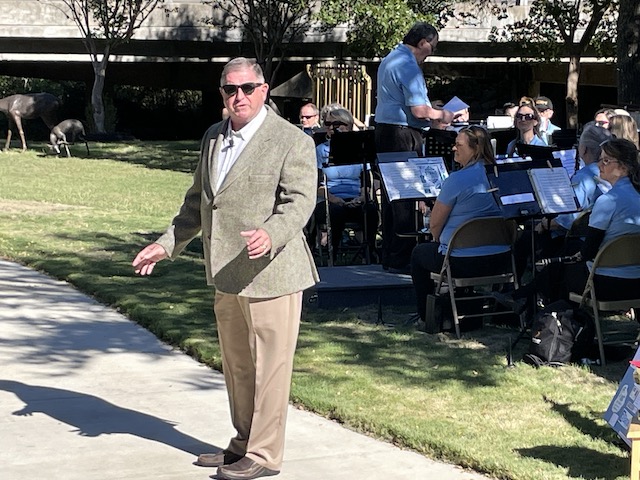
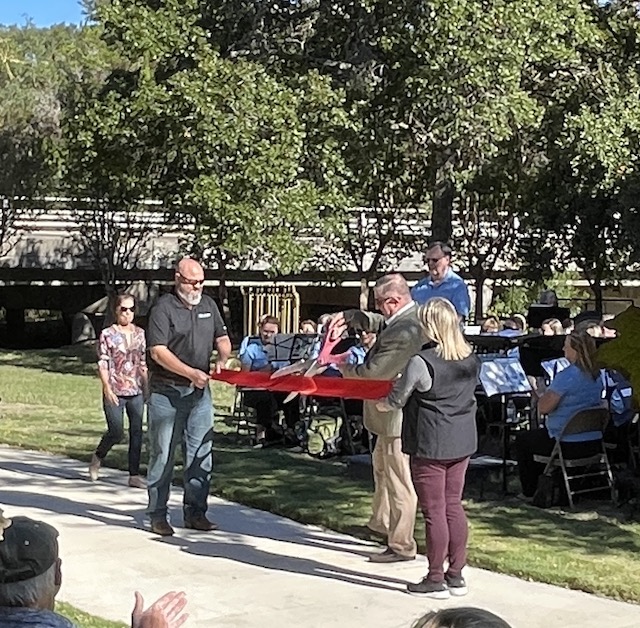
Today, we are attending the ribbon-cutting ceremony at the Lakeway Sculpture Garden. The construction of the garden and the footbridge have been projects conceived and led by the Department of Parks and Recreation. We are catered by the Salty Sow of Austin. Our entertainment is Rick Nelson.
If a deity is in charge of coffee, then it would be a good idea to offer thanks. The dark, steamy liquid waits for my approving sigh. There it is, the first sip and then the crashing reminder of that box on the back patio. Yelling, “What a curse,” does no good for poor Twiggy’s nerves. She can only react to the volume level of the expression.
Once Twiggy is off the ceiling, finding out what is in the box must be addressed. Another ear placed against the box produces the same result as last time, namely, no sound. A crowbar comes in handy to remove the top. Peering over the edge gives no information since whatever is in there is surrounded by packing material.
Pulling out each piece of material gets me down to another box. The top is quick work, and inside is a clock. It appears to be an old-fashioned alarm clock with two large bells on the top. On the back is a key to wind for the clock and one to wind for the alarm. There is also a third key that is unmarked. The thought goes through my mind that this is a strange gift from the CEO of Warner Brothers. Instructions for the clock are in the box as well. When there’s time, they should be read.
While holding and inspecting the clock, my attention goes to a sudden movement beside the box. It is a carrier pigeon with a message attached to its leg. The message when unrolled reads Your Friday prompt for Stream of Consciousness Saturday is: “material.” Use it any way you’d like. Have fun! Obviously, it is from Linda Hill. If you would like to read other responses to the prompt, visit Linda’s blog at https://lindaghill.com/2023/10/20/the-friday-reminder-and-prompt-for-socs-oct-21-2023/
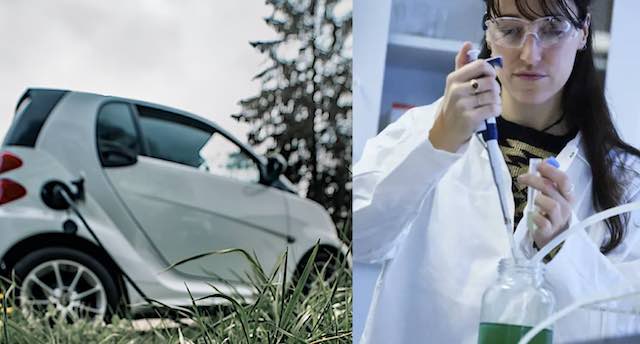
Swedish researchers say they have developed a new method of recycling batteries from electric vehicles that allows recovery of 100 percent aluminum and 98 percent lithium.
Researchers at Chalmers University of Technology have presented an efficient way to recycle metals from spent batteries and, at the same time, minimize the loss of valuable raw materials such as nickel, cobalt, and manganese.
Furthermore, no expensive or harmful chemicals are required in the process because the researchers use oxalic acid—an organic acid that can be found in the plant kingdom.
“So far, no one has managed to find exactly the right conditions for separating this much lithium using oxalic acid while also removing all the aluminum,” said Léa Rouquette, PhD student in the Department of Chemistry and Chemical Engineering. “Since all batteries contain aluminum, we need to be able to remove it without losing the other metals.”
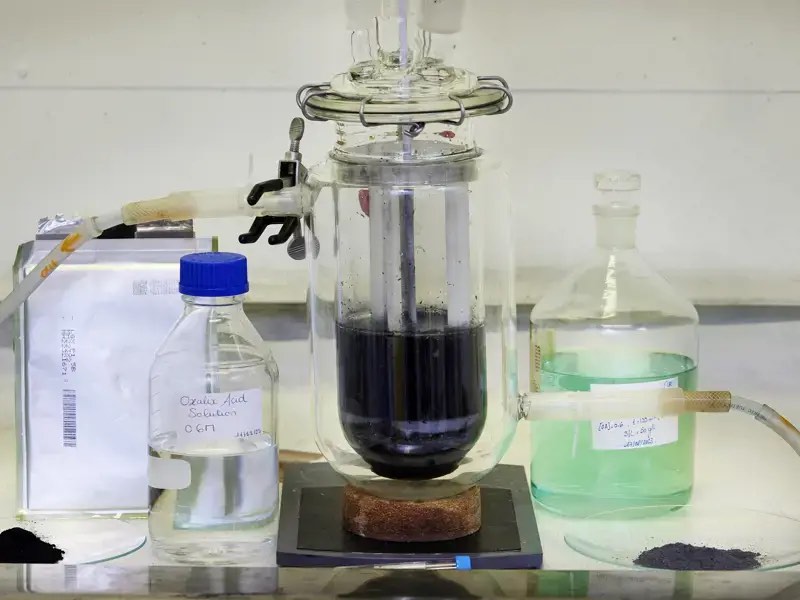
In the Chalmers battery recycling lab, Rouquette and research leader Martina Petranikova showed how the new method works—taking the pulverized components in the form of a finely ground black powder and dissolving it in a transparent liquid – oxalic acid.
Rouquette produces both the powder and the liquid in something reminiscent of a kitchen mixer. Although it looks as easy as brewing coffee, the exact procedure is a unique scientific breakthrough. By fine-tuning temperature, concentration, and time, the researchers came up with a new recipe for using oxalic acid, an environmentally friendly ingredient that can be found in plants such as rhubarb and spinach.
“We need alternatives to inorganic chemicals. One of the biggest bottlenecks in today’s processes is removing residual materials like aluminum,” says Martina Petranikova, Associate Professor at the Department of Chemistry and Chemical Engineering at Chalmers. “This is an innovative method that can offer the recycling industry new alternatives and help solve problems that hinder development.”
The crushed car battery in powder on the left is dissolved in transparent liquid and filtered for aluminum and lithium (green liquid), with other metals, like cobalt, nickel, and manganese, remain in the dark solids (right) – Photo by Anna-Lena Lundqvist.
The aqueous-based recycling method is called hydrometallurgy. In traditional hydrometallurgy, all the metals in an EV battery cell are dissolved in an inorganic acid. Then, you remove the “impurities” such as aluminum and copper. Lastly, you can separately recover valuable metals such as cobalt, nickel, manganese, and lithium. Even though the amount of residual aluminum and copper is small, it requires several purification steps, and each step in this process can cause lithium loss.
With the new method, the researchers reverse the order and recover the lithium and aluminum first. Thus, they can reduce the waste of valuable metals needed to make new batteries.
The latter part of the process, in which the black mixture is filtered, is also reminiscent of brewing coffee. While aluminum and lithium end up in the liquid, the other metals are left in the “solids.” The next step in the process is to separate aluminum and lithium.
“Since the metals have very different properties, we don’t think it’ll be hard to separate them. Our method is a promising new route for battery recycling – a route that definitely warrants further exploration,” says Rouquette, who published her results in the journal Separation and Purification Technology.
Petranikova’s research group is involved in various collaborations with companies to develop electric car battery recycling and is a partner in major research and development projects, such as Volvo Cars’ and Northvolt’s Nybat project.
The research was funded by the Swedish Energy Agency, BASE Batteries Sweden, Vinnova.
The good news here is the extensive mining of precious metals needed for EV batteries can be supplemented with recycled materials, offsetting the problem of supply and mining pollution. Today’s JohnKu talks about one issue with EV proliferation.
“Using this photo (below) as inspiration, write a short story, flash fiction, scene, poem; anything, really; even just a caption for the photograph. Either put your offering (or a link to it) in a comment or email it to me at keithchanning@gmail.com before Sunday evening UK time. If you post it on your own blog or site, a link to this page would be appreciated, but please do also mention it in a comment here. Thank you for taking part.” Here is a link to Keith’s post https://keithchanning.wordpress.com/2023/10/16/kreative-kue-403/
This list was published on September 27, 2017. I think coffee still has its magic, so I hope you enjoy it again or for the first time.
* * *
Top Ten Things Not to Do Before You’ve Had Your Coffee
The inspiration for this list came from the various and sundry things that needed to be done to begin to get back to normal after Hurricane Harvey. I haven’t done any of these, but it was fun pretending, and I would certainly have some coffee before trying.
10 If you’ve not had your coffee, do not meet with a Government representative. If you do, at best, you’ll have to excuse your behavior. At worst, the US marshalls will call in reinforcements to help extricate you from the room. (Who would have thought raising your voice would have caused that reaction, Baltazar?)
9 If you’ve not had your coffee, do not call your cable provider to request service. If you do, at best, you’ll be on hold for an hour. At worst, you’ll get to talk to Tiny, the WWF champ who just got released from his sociopath support group. (The two of you are having an excellent debate. Why does he keep wanting to know where you live, Banjo?)
8 If you’ve not had your coffee, do not take your car in for service. If you do, at best, they will honor your appointment time. At worst, you’ll sit in the lounge for an hour trying to avoid being stepped on by two hyperactive toddlers. (They have already apologized for the fact the coffee machine is out-of-order. You might as well try to relax and, for heaven’s sake, quit thinking about that letter you plan to write to the CEO of the service company, Barnaby.)
7 If you’ve not had your coffee, do not visit the license bureau to renew your driver’s license. If you do, at best, you’ll get a low number for service. At worst, you have pulled number 208, and they are now serving number four. (The drive-through at McDonald’s wait now looks like a breeze compared to this, huh, Beaudoin?)
6 If you’ve not had your coffee, do not visit the bank to ask for a loan. If you do, at best, it is a bank holiday. At worst, you will finally admit that you really need the money and will, therefore, be denied the loan. Too bad your decaf state caused you to forget the rule about “Those who have gets,” Bellamy.)
5 If you’ve not had your coffee, do not meet with your boss to discuss your career. If you do, at best, your boss caught the flu and is out sick today. At worst, your discussion could have taken a nasty turn when your boss suggested you need some additional training. (If you had some caffeine, Benjamin, maybe you would not have pounded on the boss’s desk, causing security to escort you to the parking lot. Tomorrow ought to be interesting.)
4 If you’ve not had your coffee, do not try to complete that delicate experiment with the new product at work. If you do, at best, you’ll come to your senses. At worst, you are now in a position of being responsible for a complete redo. (You were sure your shaking hands would not be a factor, right, Bennet?)
3 If you’ve not had your coffee, do not try to write that breakthrough chapter in your book. If you do, at best, you and the keyboard will have a staring contest. At worst, you will forge ahead and write what you think is the best stuff you have ever done. (It’s really tough to file 13 all those words, isn’t it, Bodee?)
2 If you’ve not had your coffee, do not read that last two-star review. If you do, at best, you’ll be diverted by a natural disaster. At worst, even though some of the points may be well taken, you vow out loud to hunt the person down and hit them with a poison dart. (Sure, it’s the lack of caffeine talking, but you are scaring the kids, Braddock.)
1 If you’ve not had your coffee, do not try to create that meaningful post that you hope everyone will love. If you do, at best, the typos will kill you. At worst, only after you have posted and read what you have written do you see the similarity to the Unabomber manifesto. (Good luck getting that one canceled off all the social media sites, Brayden.)
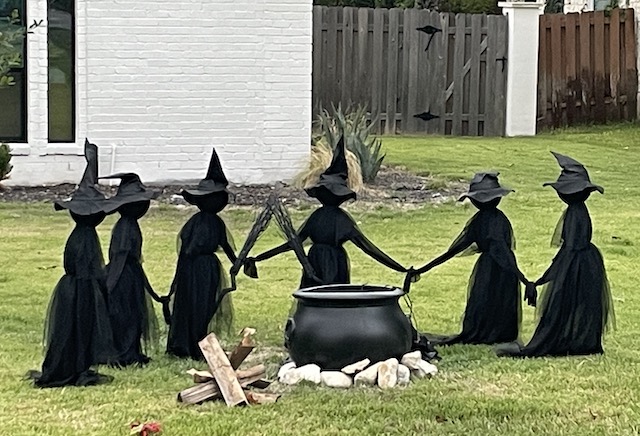
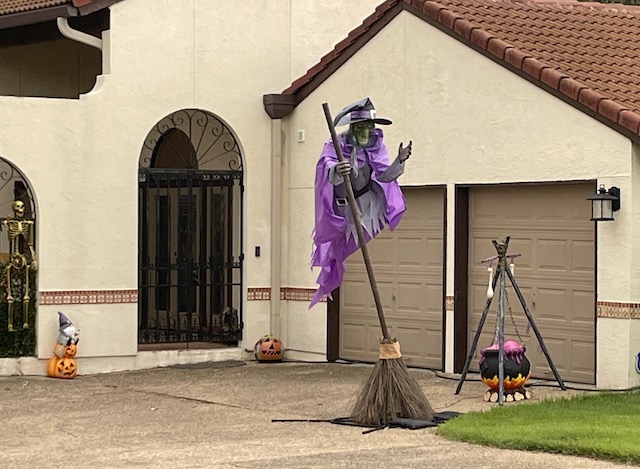
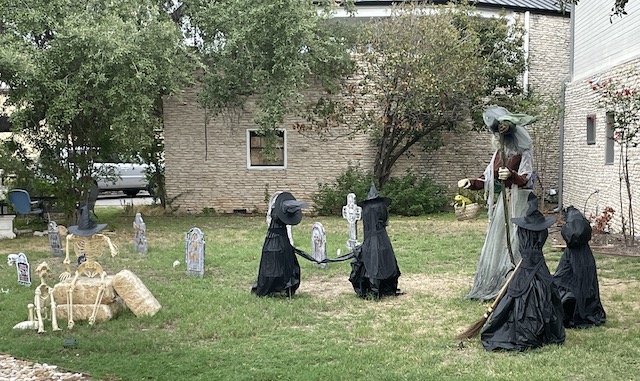
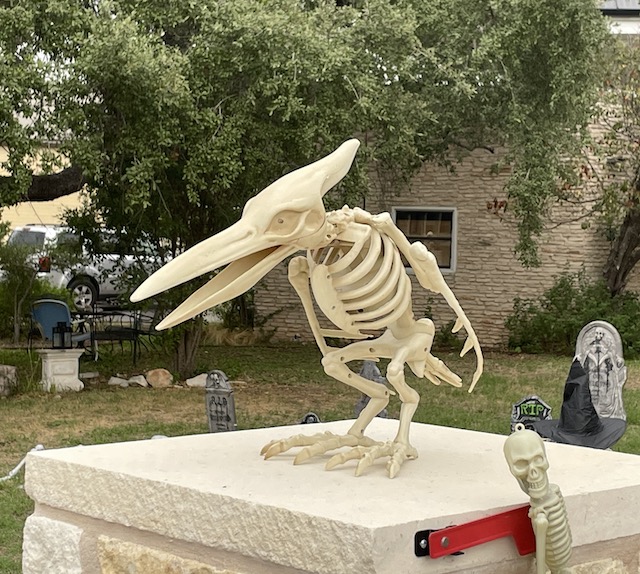
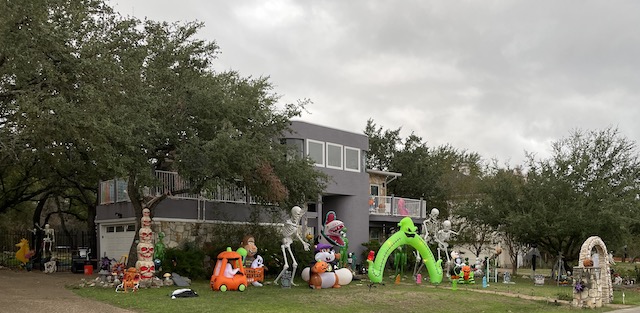
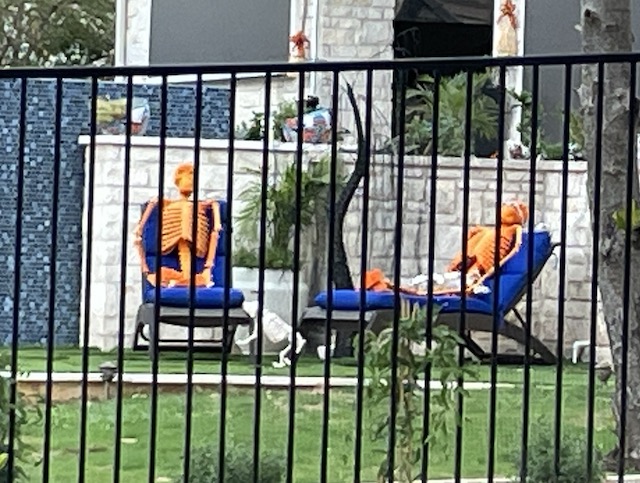
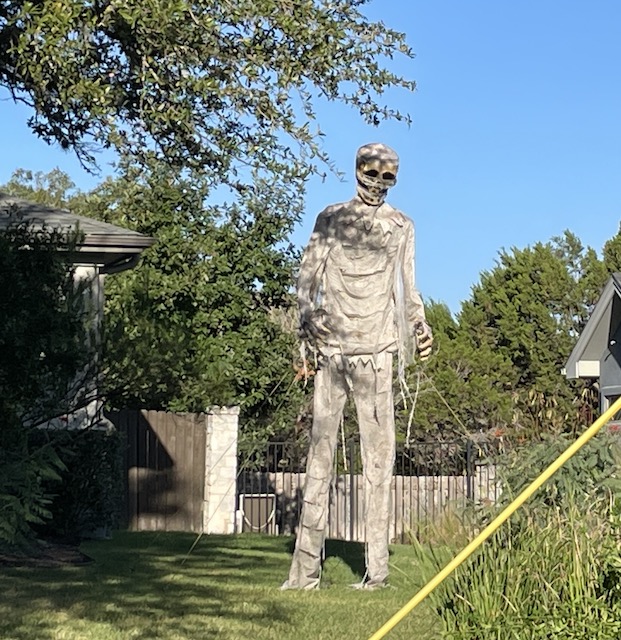
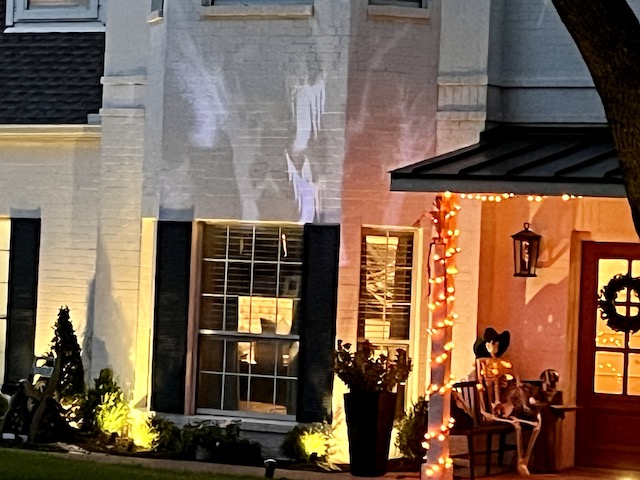
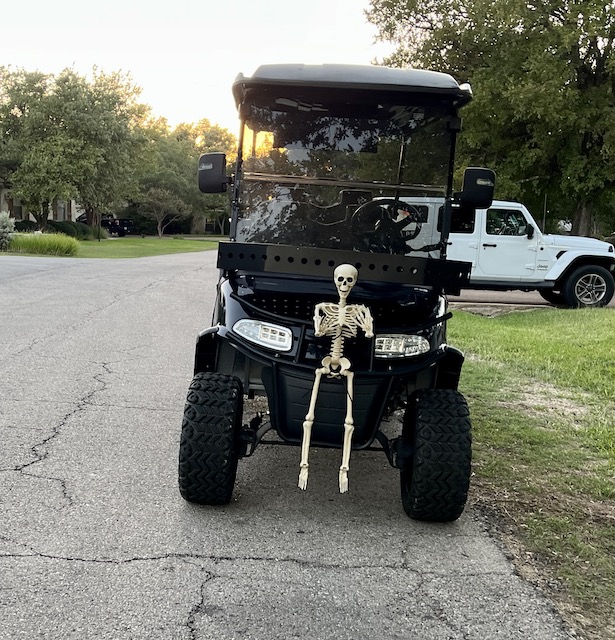
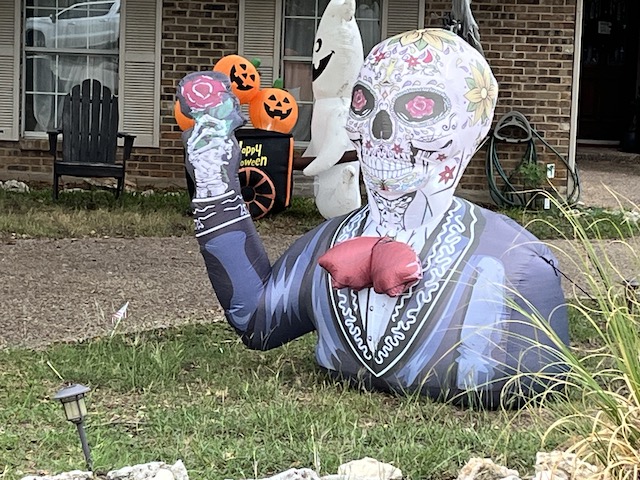
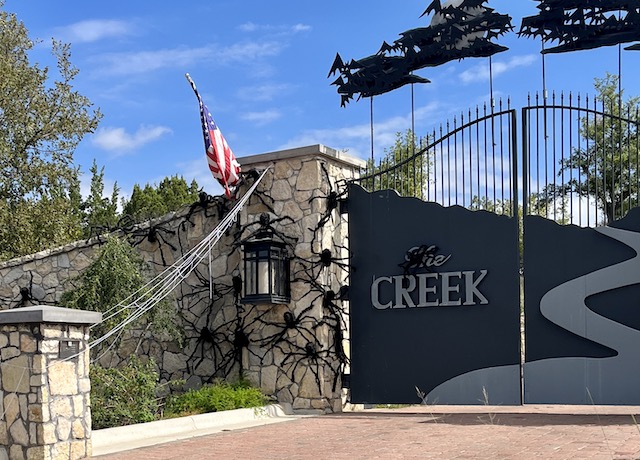
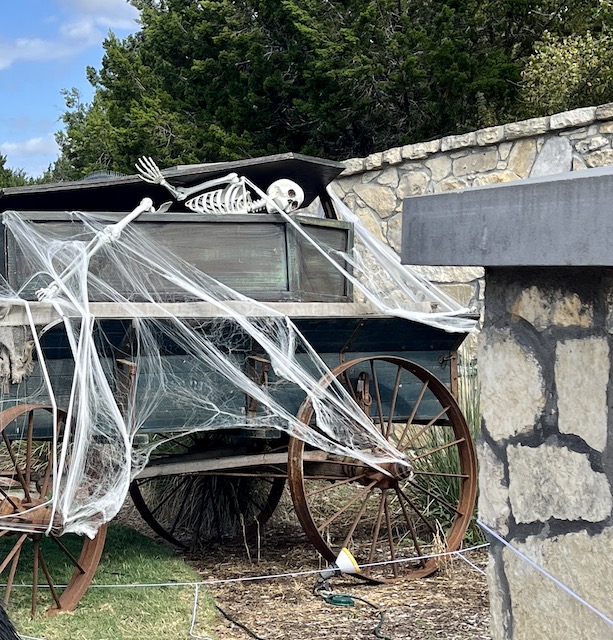
I’m a little early with the Halloween tour, but I will be offline at a granddaughter’s wedding in New York next weekend. So, we are going to tour the neighborhood this week. We are catered by Asti Trattoria of Austin, and our entertainment is Ray Parker Jr.
The sound and aroma coming from the machine give hope that the cup of soothing syrup will soon be filled. It is done, and the first sip is installed through quivering lips. Sure enough, the liquid has reached the brain in a short time, and the nerve endings have all stopped screaming like the audience at a Taylor Swift concert.
There is time to contemplate the prognosis on the day. Like a steel hammer hitting a horseshoe on the blacksmith’s anvil, the thought returns. That cursed box from ACME is still on the back patio. Weak knees follow the thought like a sled behind a team of dogs.
Reluctantly, I approach the box. At least there is no need to disarm the security system since the patio is inside the secure perimeter. Whoever dropped it there knew the layout, so there is a strong suspicion whoever did knows me. With that chilling thought, my ear quickly goes to the side of the box. There is no sound inside, which is a good sign that there may not be a character to deal with today.
A small parachute lands beside me as I pull my ear away from the box. Attached is an envelope. Of course, it is from Linda Hill, and inside is this message.
Your Friday prompt for Stream of Consciousness Saturday is: “last thing that broke/you had to fix.” Think about the word that best describes the last thing that stopped working for you, and use that word any way you’d like. Enjoy!
“So what word did you choose for something that broke and you had to fix?”
“Ignition.”
“Ignition? I didn’t expect that.”
“Neither did I.”
“So tell me.”
“I finished exercising at the gym—”
“Hold on. You still go to the gym.”
“Yeah, of course.”
“You have an EMT standing by?”
“Verry funny. You want to hear about the ignition or not?”
“Go ahead.”
“I have a car with a keyless ignition.”
“And?”
“I got in it and turned the switch and got a message ‘No key detected.'”
“Whoa. I would be finished. What did you do?”
“Remembered a tip from a guy and held the remote device next to the switch.”
“It worked?”
“It did.”
“Here, I thought you were going to have a story about tearing into the electronic guts of the car and spotting the problem and solving it like Walter Mitty.”
“Well, to me, it was like that.”
“Do me a favor.”
“What?”
“Don’t tell anyone else. They’ll laugh you off the planet.”
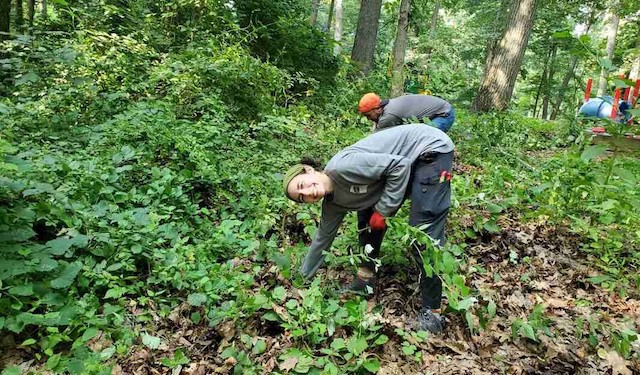
Around the capital beltway or Washington’s famous Rock Creek Park, you may see a group of people ripping up vines along the treeline beside the roads.
If you have then you’ve glimpsed superheroes who traded in their capes for gardening gloves and their time for the satisfaction of terminating an invasive species and saving a native tree.
Washington D.C’s “Weed Warriors” are a group of volunteers going back to 1999 that work for free to keep hundreds of species of invasive shrubs, vines, and climbers from taking over native ecosystems.
Among the 600 or so non-native invasive plant species found in and around our nation’s capital, some, like Polygonum perfoliatum, also known as the “mile-a-minute” vine, can be devastating. Suffocating trees by overgrowing the leaves in their canopy branches, a mile-a-minute can kill thousands of trees every year.
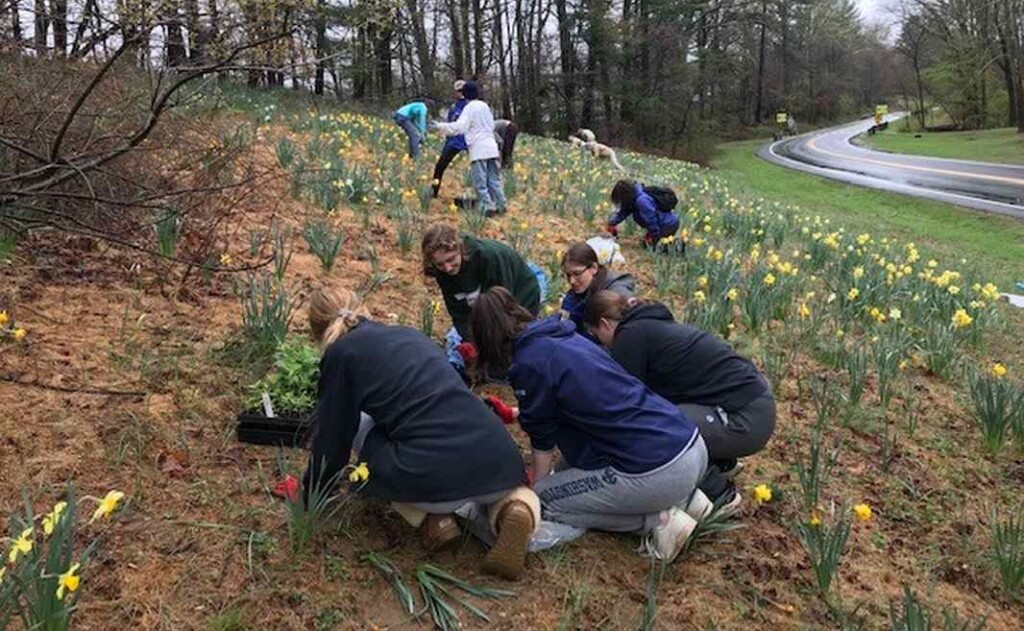
Since 1999, Weed Warrior volunteers have logged over 135,000 hours of time weed whacking in Montgomery County alone. Anyone can become a Weed Warrior; the group works in units for two-hour spaces removing weeds or planting native species in their place.
These invasive species management events are led by specially-trained volunteer Weed Warrior Supervisors and/or staff from the Montgomery Parks Dept. Warriors can get certified to de-weed in their spare time or lead events on their own. They can even have their own unique patch of ground in the D.C.-Metro area to control.
Why would anyone want to trade their free time for laboring hours away for free doing something our tax dollars are supposed to do for us? The answer is simple: it’s addicting.
“If I have any good mental health, it’s due to Weed Warrioring,” said 74-year-old area resident Barbara Francisco. “You have a sense of accomplishment.”
Francisco spoke to Justin Moyer of the Washington Post, who found the volunteer groups were filled with people who were happy to get out into nature and make a meaningful impact on biodiversity.
Weed Warriors planting native species – retrieved from Montgomery County Parks
The Weed Warriors website states that non-native, invasive plant species (NNIs) can alter the complex webs of plant-animal associations that have evolved over thousands of years to such a degree that plants and animals once familiar to us are eliminated.
In meadows, for example, NNI monocultures can threaten butterfly populations because they can no longer find the native host plants they depend on for survival. In forests, NNI vines can strangle and smother trees. NNI shrubs can displace and shade out native plants that provide birds and other wildlife with food and shelter.
Recent research has even shown that NNIs can alter soil chemistry and disrupt the growth of the mycorrhizal fungi on which healthy forests depend.
Anyone who feels this is something they want to contribute their time to can go to the Montgomery County Parks website here and look at the upcoming Weed Warrior events—the next one is October 21st.
The good news is there are folks who care enough to spend their own time in saving indigenous plant life. Today’s JohnKu talks about investment. I hope you have a super weekend.
You can read more about it by clicking the link. The three Halloween things assigned to the first initial of John were: Werewolf, door-to-door sales, and Chucky.