Friday JohnKu – AKA – TGIF – Fri-Yay/Good News

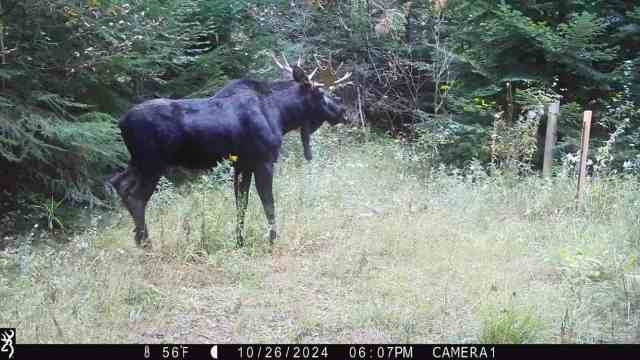
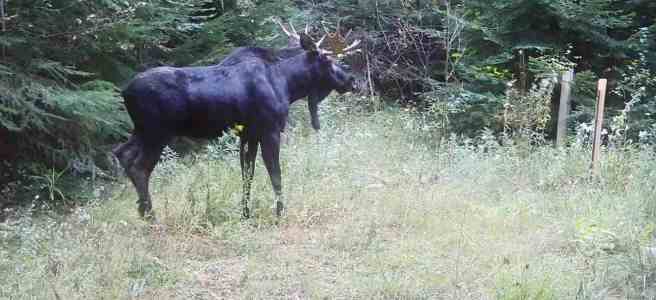
A bull moose passing through Gary Verbrugge’s yard – credit, supplied by Verbrugge to the Spokesman-Review

Today’s good news story comes from the Good News Network.

Man Gathers Up Family Acres Home to Moose and Mountain Lion and Returns Them to Indian Tribe

Friday JohnKu – AKA – TGIF – Fri-Yay/Good News

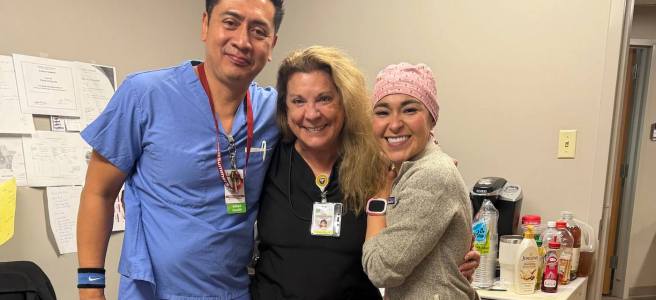
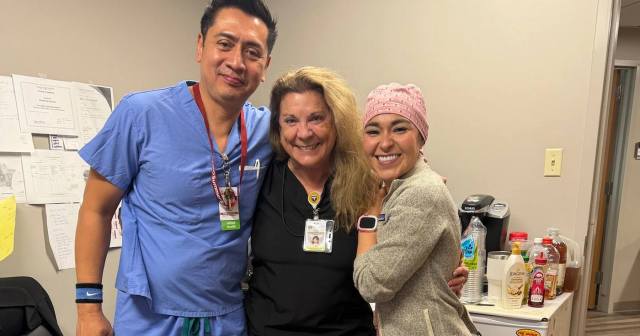
Dawn Zuidgeest-Craft, supplied to the Washington Post


Today’s good news story comes from the Good News Network

Senior Scholar Fulfills Life-long Dream to Graduate Medical School–a Doctor at 73-Years Young

When Mr. Carl Craft nearly died from a brain hemorrhage, he and his wife Dawn reviewed their bucket list. Carl wanted to travel, and Dawn said she wanted to go to medical school.

“He thought I was crazy,” she said.

Now, though, Dawn Zuidgeest-Craft proudly holds a doctorate in medicine after graduating as the school’s oldest-ever graduate at 72.

The doctoral dream took root from the earliest periods of Zuidgeest-Craft’s life and would blossom into a career as a nurse practitioner and pediatric educator. It was a career she enjoyed even while marrying and giving birth to two children.

For their sake, Zuidgeest-Craft put her medical school ambition on hold—at least until her 40s, she thought. Then she got divorced and remarried before she and her new husband, Carl, decided to start their own family. Zuidgeest-Craft spent the decade raising two more children.

The dream of medical school gradually faded until Carl suffered his brain hemorrhage, at which point Dawn realized it had to happen now, or, as the phrase goes, never.

Digging into her retirement savings, Zuidgeest-Craft paid the tuition for St. James School of Medicine in Anguilla, the Caribbean, where the institution waives the requirement for a Medical College Admission Test.

It wasn’t a straightforward process, and the senior scholar wouldn’t have hoped or imagined failing the biochemistry exam during year 1, but with the support of her husband Carl and the classmates who all remember her fondly from their dorm living, movie nights, and yoga sessions on the beach, Zuidgeest-Craft kept going.

It took clinical rotations in Chicago and West Virginia, and a stint in South Texas, where a medical professional encouraged her—based on her aptitude—to seek a residency program, for Zuidgeest-Craft to graduate with her doctorate this month, not long before her 73rd Birthday.

“When you have to do it for work… you feel like, ‘I got to do this so that I can pay my rent,’” Zuidgeest-Craft, who has three grandchildren, told the Washington Post. “I want to do this because I really enjoy this.”

“I feel alive when I work in the medical field.”

She will begin her residency at Trinity Health Medical Center in Muskegon, Michigan, this year.

The good news in this story is that a long-held dream has finally been realized. Today’s JohnKu talks about dreams. I hope you have a wonderful weekend.

Dreams by John W. Howell © 2026

They are yours to have,

Which no one should take away . . .

Work till they come true.

Friday JohnKu – AKA – TGIF – Fri-Yay/Good News

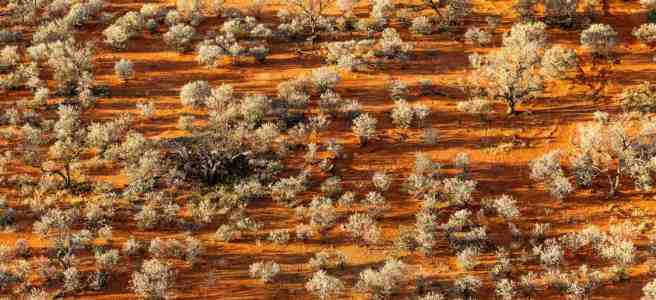
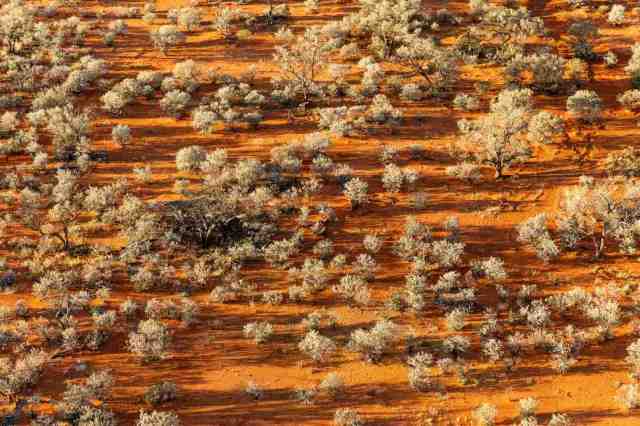
Gidgee trees on Pilungah Reserve – credit, Bee Stephens.

Today’s good news comes from the Good News Network.

85 Million Acres of Private Land Are Being Protected for Conservation in the US and Australia

By Andy Corbley –

Australia now boasts one of the world’s largest acreages of private land set aside for conservation, and the Guardian recently reported that generous and wealthy citizens are to thank for it.

Leaving land to conservation purposes in wills and making bequests of estates have played a big role in amassing 24 million acres of privately conserved land.

Bush Heritage Australia manages some 3 million acres of these, and its CEO, Rachel Lowry, told the Guardian that such contributions play an outsized role in their work.

Last year, for example, the organization reported 4,600 such bequests, almost double the 2022 total. They believe it stems from people truly attempting, as we’re often taught, to leave the world in a better place than when they found it.

“Some of Australia’s most threatened and fragile ecosystems and wildlife sit outside of the national reserve system,” said Lowry. “They’re found on private land or pastoral country, and they may have deep cultural and ecological values, but they’re not protected from threats such as land clearing, mining, or invasive species.”

Several organizations in the country, such as the North East Tasmania Land Trust, are carrying out similar work, and the governments of the Australian states are taking notice. One of Bush Heritage’s protected areas, the Pilungah Reserve, was granted protection under Queensland state law equivalent to a federal National Park, demonstrating how valuable the work is seen by the public sector.

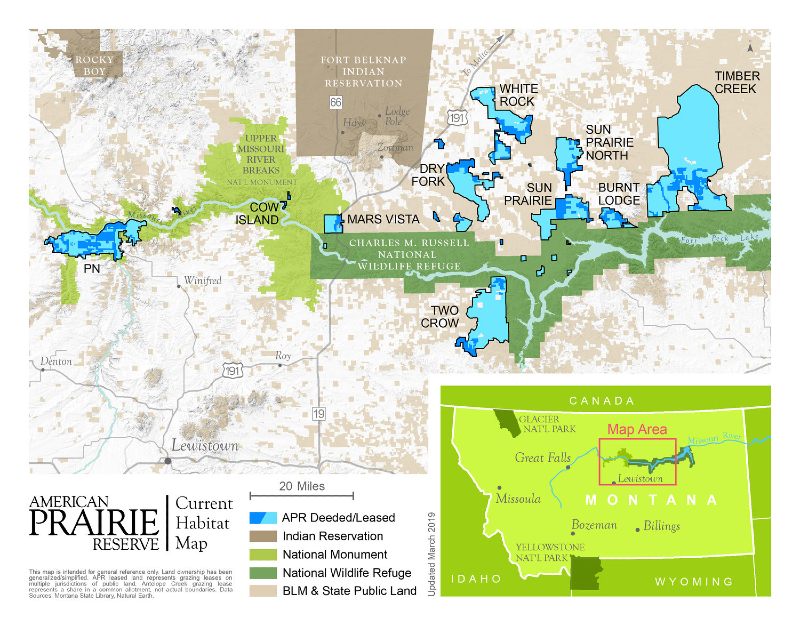
In the United States, one of the largest protected areas is a private-public partnership called American Prairie.

American Prairie has spent over 2 decades buying and leasing land between the Charles M. Russel Natural Wildlife Refuge and the Upper Missouri Breaks Natural Monument in Montana to create America’s largest assemblage of wild prairie for the purposes of conservation and recreation. It’s also received donations of land on the way to reaching its current size.

GNN has reported on several major milestones of this massive and constantly growing mosaic of grasslands, hills, woods, and wetlands, including a substantial 22,000-acre land purchase that had blocked public access to the Missouri Breaks, and the clearance of over 100 miles of derelict fencing across their land.

The organization has accumulated 603,657 acres, which comprises 167,070 deeded acres and 436,587 leased public acres. Their goal is ultimately to protect, and in some cases, rewild 2.3 million acres.

American Prairie Reserve

In 2024, American Prairie set a new visitation record for the seventh year in a row with more than 6,600 overnight visitors to its huts and campgrounds, and over 5,000 visitors at its National Discovery Center in Lewistown, Montana.

An American organization that helps connect and advocate for private conservation land in the US reports that 61 million acres—more than all the US national parks—are privately held for conservation. This amounts to about 3% of the 60% of American lands that are privately owned.

Called the Land Trust Alliance, it aims to double this number by the end of the decade.

The Good news in today’s story is that private land donations are helping preserve natural resources. Today’s JohnKu talks about private methods. of conservation. I hope you have a super weekend.

Contributions by John W. Howell © 2026

Individuals

Have the power to conserve . . .

God bless those who do.

Friday JohnKu – AKA – TGIF – Fri-Yay/Good News

Today’s good news story comes from The Pulse and was sent to me by Noelle Granger.

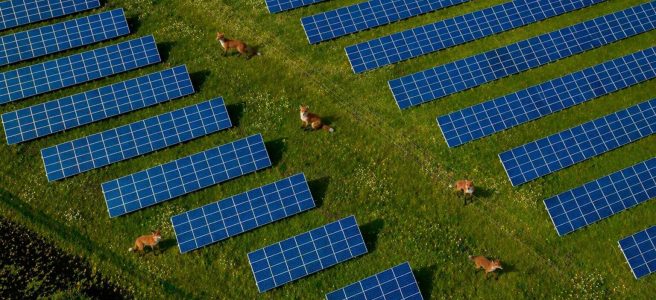
Foxes were allowed into a solar farm, and they ended up turning the panels into part of their habitat

It wasn’t part of the plan.

Solar farms were built to generate clean energy, not to host wildlife. Large, fenced-off areas filled with panels don’t exactly look like a natural habitat.

But when a small, endangered fox was allowed into one of these sites, something unexpected happened.

Instead of struggling to survive, it adapted—quickly. And what researchers saw next began to change how these spaces are understood.

How solar farms started behaving like ecosystems

At first glance, solar farms seem simple. Rows of panels. Open land. Minimal human presence. But that last detail turned out to matter more than expected. Because once construction ends, these areas become relatively undisturbed. No heavy traffic. No constant noise. Limited human activity.

Over time, that creates stability. Vegetation begins to grow beneath the panels, often encouraged by design. Native plants take hold, insects follow, and small prey species begin to appear. It doesn’t happen overnight.

But slowly, these sites begin to resemble something else. Not just infrastructure—but a habitat. And for some species, that shift is enough to create an opportunity.

A species on the edge finds an unlikely refuge.

The San Joaquin kit fox has been struggling for decades. Native to California’s Central Valley, this small canid has lost more than 95% of its natural habitat due to agriculture and development. Survival has become increasingly difficult. It relies on space, cover, and access to prey. And it moves constantly, often using dozens of dens to avoid predators.

So when conservationists began exploring whether solar farms could support wildlife, the idea seemed uncertain. Could a human-made environment really replace what had been lost? The only way to know was to try. And when the foxes entered these sites, their behavior was closely monitored.

What researchers found wasn’t hesitation. It was an adaptation.

What actually happened inside the solar farms

The foxes didn’t just pass through these areas. They started using them. Solar farms provided something rare: protection and resources in the same place. The perimeter fencing, originally designed to secure the site, acted as a barrier against larger predators. Inside, the environment was rich with small animals—rodents and insects that thrive under the panels. That meant food was readily available.

The panels themselves created shade, helping regulate ground temperature and making conditions more stable during extreme heat. And perhaps most importantly, human disturbance was minimal. The foxes began establishing dens within the solar farms, using the land as part of their regular territory.

In some cases, according to the Bren School of Environmental Science & Management, they returned repeatedly, treating these sites as reliable habitat. What was meant to be an energy facility had become something more.

Why this changes how we think about how energy and wildlife interact

For years, one of the biggest concerns about renewable energy projects has been land use. Building large-scale solar farms requires space—and that space often overlaps with natural habitats. But this example suggests a different possibility. With the right design and management, these sites don’t have to displace wildlife. They can support it. That doesn’t mean every solar farm will have the same effect. Conditions matter. Location matters. Planning matters. But the success of the San Joaquin kit fox shows that coexistence is possible. And in some cases, it may offer a second chance for species that are running out of options.

The idea is still evolving.

But one thing is becoming clear. What looks like a field of solar panels from the outside might be something very different on the inside—a place where technology and nature are starting to share the same ground.

The good news in this story is that conservation of resources does not have to come at the expense of native species. Today’s JohnKu talks about smart conservation. I hope you have a wonderful weekend.

Co-Existance by John W. Howell  © 2026,

Clean energy has,

Risks to the animal world . . .

That can be reduced.

Friday JohnKu – AKA – TGIF – Fri-Yay/Good News

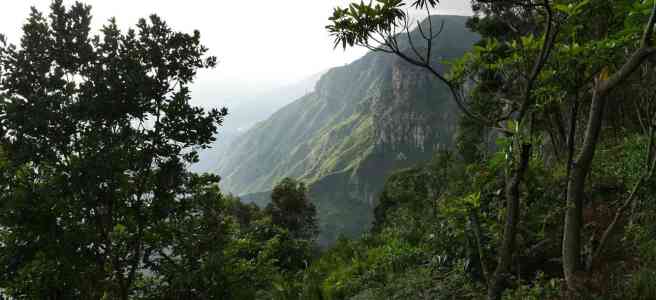
The hills of Tanzania where Ecosia operates – credit, Ecosia, released


Our good news post comes from the Good News Network.

250 Millionth Tree Planted by this Tree-Planting Search Engine Just Ahead of Earth Day

By Andy Corbley –

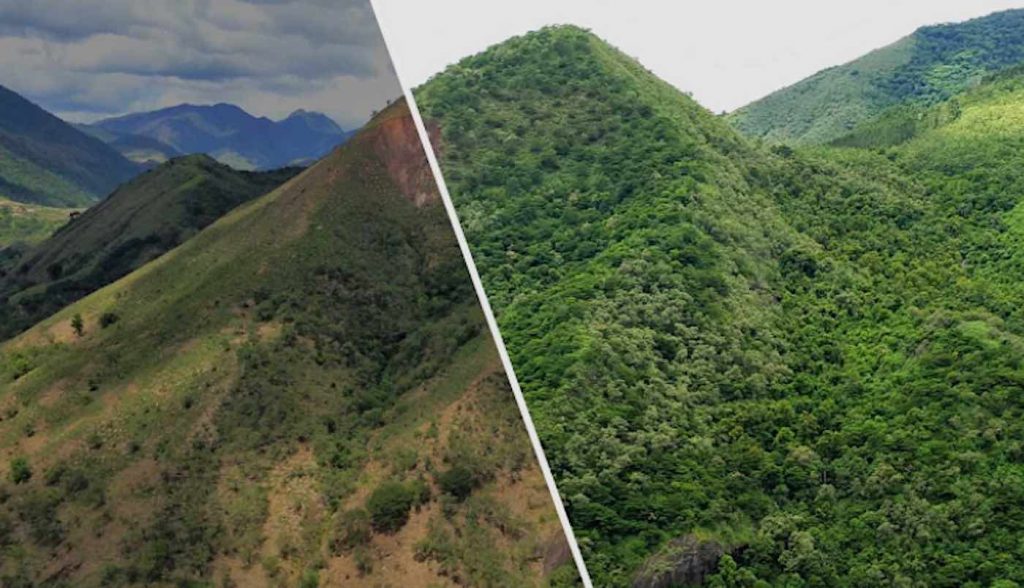
Reaching the milestone just before Earth Day, Ecosia, the nonprofit search engine, is celebrating 250 million trees planted worldwide, becoming the world’s largest planter of native trees.

Since its founding in 2009, Ecosia has built the world’s largest network of local reforestation operations, numbering more than 200,000 tree planters and 125 organizations worldwide. Users’ clicks and searches, as well as the ad revenue they generate, translate into funds the company uses to organize tree planting.

These partnerships have allowed the tech company to focus on working with local experts to plant 1,600 native tree species, including 144 endangered or vulnerable species, making it a leading contributor to threatened-tree conservation. These efforts are helping biodiversity hotspots recover and restoring ecosystems in communities for generations to come.

Founder Christian Kroll, together with Germany’s Federal Minister for the Environment, planted a tree to mark the 250 million milestone in front of the German federal parliament, the Reichstag, in Berlin, where Ecosia is headquartered.

“All of our successes have come from this powerful on-the-ground movement, ” said Christian Kroll, founder of Ecosia. “From one click in 2009 to 250 million trees today, our global community supercharged our climate action.”

GNN has previously reported on Ecosia. The search online often targets countries that are the most biodiverse, where tree loss directly corresponds with species loss. This has led them to launch projects in Nicaragua and Peru, Burkina Faso and Malawi, Indonesia, and Australia.

In 2018, for example, they created a tree nursery for 200,000 trees in Madagascar, to help create a forest corridor leading from an isolated habitat to the ocean. In 2019, they created a forest-agriculture project in Borneo to prevent locals from selling land to oil palm development.

That same year, Ecosia took measures to ensure it could never be sold and that no one, including the founder, could profit from or receive dividends from the company. This means that the business is set up purely to benefit the planet.

– credit, Ecosia Blog

Growing trees and forests is a long-term game that goes beyond just planting seedlings. Some of Ecosia’s trees get planted because they guarantee future revenue for the community (e.g., fruit and nut trees or trees that boost harvest yields); these provide a strong incentive for the beneficiaries of these products to protect the trees long term. Other reforestation work provides returns on investment for financiers. These are the most well-funded.

However, not every tree has a straightforward financial return on investment, and therefore, making a case for long-term investment is not clear-cut. In fact, much of today’s deforestation is the result of trees not being valued much in economic terms.

This is why Ecosia’s work is so critical to reforestation. It can step in where return-seeking capital won’t. This allows vital ecosystems and communities to be supported without greenwashing or offsetting motives. A purpose company with only one shareholder: the planet.

Unique to any other tech company, Ecosia has a dedicated Tree Team: a group of forestry and nature conservation experts, social business experts, economists, and social scientists, focused on finding the right partners to work with, collaborating with communities, and planting the right species to ensure our trees thrive. It is the only company in the world with a CTPO (Chief Tree Planting Officer).

“We care about our trees long term, not just for some pretty pictures of young saplings,” shared Pieter van Midwoud, Ecosia’s CTPO. “We have developed a vigorous monitoring program to analyze whether projects that we started would benefit from further support. Ecosia, as a purpose company, is best placed to do this long term, and we hope to grow millions more trees.”

The next chapter for Ecosia is to make a bigger move into landscape restoration. Rather than solely assessing projects based on factors that affect the long-term benefits of trees—such as water supply, fuel access, and financial sustainability—the company has begun to take a more active role in influencing those factors.

“We know that collaborating together with the local community is the only way to run a successful restoration project long term, so combining tree planting with complementary interventions that enable farmers and nature to have a bigger impact will be further strengthened,” said van Midwoud.

The good news in this story is that a serious effort to enable sustainable tree planting is sponsored by a tech company. Today’s JohnKu talks about tech and the environment. I hope you have a great weekend.

Conservation by John W. Howell © 2026

Tech and conservation,

Are not usual bedfellows . . .

Good when it happens.

Friday JohnKu – AKA – TGIF – Fri-Yay/Good News

A rendering of a fully-electrified Chinese vessel at the port of Suzhou – credit CATL ©

World’s Largest Battery Maker to ‘Spare No Effort’ in Electrifying Marine Cargo Industry

Today’s good news comes from the Good News Network

A Chinese conglomerate that controls 37% of the global market for EV batteries has recently said it will “spare no effort” to electrify parts of the marine shipping industry.

The cost of lithium ions has fallen by 90% over the past two decades, epitomizing the overall reductions in battery costs that have facilitated the resulting boom in EVs.

In all that, however, little has been done to investigate the use of battery-powered maritime systems. It’s for good reason: batteries produce lower-density energy than the heavy fuels used to power container ships or tugboats. Displacing water requires a lot more umph than displacing air.

Now, CATL, which also controls some 22% of the world’s energy storage systems, is planning to double its maritime applications division to pioneer early battery systems for near-shore vessels.

“We will spare no effort in investing in R&D, human resources, and materials to build the supply chain for this industry,” said Su Yi, who leads the group’s Maritime Business Unit.

The International Maritime Organization aims to halve the industry’s share of global shipping emissions to 1.5% from 3% by 2050, a goal that has so far been pursued through greener fuels such as green methanol and hydrogen.

In 2024, GNN reported that a consortium of Japanese firms successfully demonstrated the first-ever zero-emissions ship above 20 gross tons, with the pilot sailing it 30 kilometers (18 miles) out to an offshore wind farm and back.

A year earlier, GNN reported that global shipping leader Maersk had ordered a green methanol-powered ship two years earlier and had already placed an order for 25 more methanol-powered vessels, in addition to retrofitting existing ships with methanol engines and turbines.

Su told the Financial Times that the current focus is on producing batteries that meet the extreme requirements of powering large vessels near shore. In addition to requiring maximum discharge rate, the batteries would need to last long and remain safe in ocean conditions.

CATL reported impressive 2025 earnings, with 42% year-over-year revenue growth to $10 billion, driven by demand for data centers and energy storage. Su didn’t provide timelines or sales targets, but merely mentioned that she and her team were confident there’d be market demand.

Its existing strategy since 2017 has been a battery-swap model whereby near-shore vessels like tugs can swap their batteries at a station for a fully-charged one to enable ’round-the-clock operations.

The group had previously seen success with such a model in its long-haul trucking division. Previously, the company developed hybrid battery-fossil fuel solutions for still-water and near-shore vessels, as well as for cruise ships.

The good news in this story is that more resources are being invested in alternative power sources for the maritime industry. Today’s JohnKu talks about ongoing solutions to the world’s carbon problem. I hope you have a wonderful weekend.

Pressure by John W. Howell © 2026

Alternative ways,

Are continuously being sought . . .

To help Mother Earth.


Friday JohnKu – AKA – TGIF – Fri-Yay/Good News

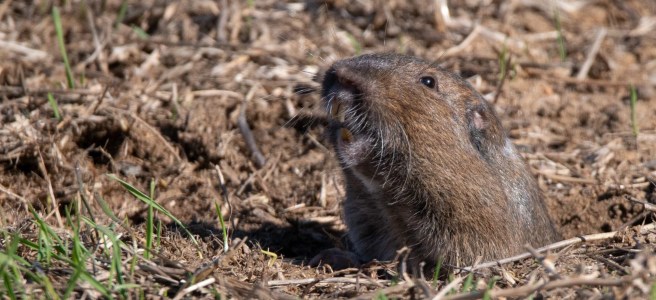
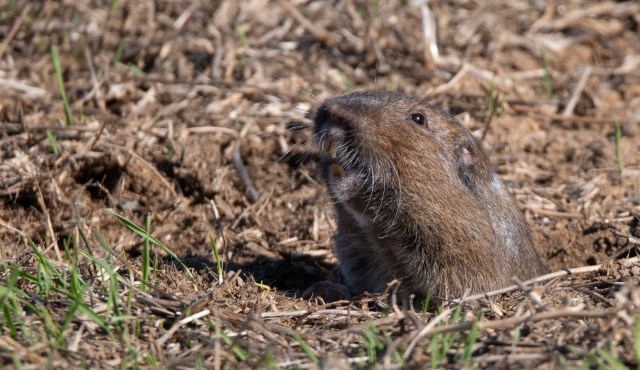
Photo Credit: iStock

Today’s Good news story comes from The Cool Down. This was sent to me by my correspondent, Noelle Granger

Gophers become unexpected heroes after scientists introduce them to site of Mount St. Helens eruption

Jordan Carlton

In the late spring of 1983, scientists set out to help restore the surrounding environment decimated by the infamous Mount St. Helens eruption just three years prior, Popular Mechanics reported.

The catastrophic eruption, now known as the deadliest volcanic eruption in the history of the United States, claimed 57 lives and destroyed hundreds of square miles of land, with damages amounting to over $1 billion, according to KOMO News.

Following the devastation, scientists were tasked with determining how to restore ecological balance to the scorched landscape. They turned to some of nature’s unsung heroes: gophers.

Scientists from the University of California gathered a group of the small, burrowing rodents and dropped them off at the site of the eruption with plans to let them behave as normal.

“By digging up beneficial bacteria and fungi, gophers might be able to help regenerate lost plant and animal life on the mountain,” determined the University of California report.

The gophers did not let anyone down. Within just six years of their introduction to Mount St. Helens, 40,000 plants were reported growing, compared to the original measly dozen that initially persevered, breaking through pumice slabs formed by the lava.

The shocking part, however, has been discovered more recently as scientists begin to understand the extent to which these gophers transformed the landscape. From a desolate wasteland to thriving forests, the gophers fostered a microbial community that allows plants to thrive in the area to this day.

One of the scientists behind the project, UC Riverside microbiologist Michael Allen, underscored the importance of fungi alongside the gophers’ digging, which turns the soil.

“With the exception of a few weeds, there is no way most plant roots are efficient enough to get all the nutrients and water they need by themselves,” Allen said in the University of California media release. “The fungi transport these things to the plant and get carbon they need for their own growth in exchange.”

To underscore the point, land untouched by the gophers remained mostly unfruitful.

The benefits of these furry heroes extend beyond the immediate site of the eruption as well. By rejuvenating the ecosystem and reintroducing many plant and animal species, surrounding communities can benefit from repaired biodiversity, allowing for better resilience against external pressures like water and air pollution.

University of Connecticut mycologist Mia Maltz, co-author of a study focusing on the recovering forests of Mount St. Helens, emphasized the importance of these natural, interconnected systems.

“We cannot ignore the interdependence of all things in nature, especially the things we cannot see like microbes and fungi,” she said.

The good news in this story is nature takes care of itself. Today’s JohnKu talks about recovery. I hope you have a fabulous weekend.

Sustaining by John W. Howell © 2026

You ever notice?

When left alone, Mother Nature . . .

Is self sustaining.

Friday Johnku – AKA – TGIF – Fri-Yay/Good News

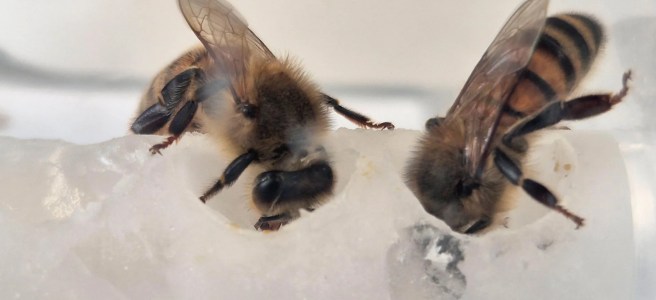
Worker bees feeding in the lab, Oxford Bee Lab. Credit: Caroline Wood


Today’s good news comes from Science Daily. Thanks to Noelle Granger for sending it in

Scientists uncovered the nutrients bees were missing — Colonies surged 15-fold

A lab-made diet supercharged bee colonies and could help save our food supply.

Date: March 27, 2026

Source: University of Oxford

A team of researchers led by the University of Oxford has developed a breakthrough food supplement that could help reverse the alarming decline of honeybees.

Working with Royal Botanic Gardens Kew, the University of Greenwich, and the Technical University of Denmark, the scientists engineered a diet that mimics the key nutrients bees normally get from pollen.

When tested, colonies fed this supplement produced up to 15 times more young. The findings were published in the journal Nature.

Bees Are Starving for the Right Nutrients

Honeybees rely on pollen as their main food source. It contains essential lipids called sterols that are critical for growth and development.

But climate change and intensive farming have reduced the variety of flowers bees depend on. As a result, bees are increasingly missing key nutrients.

Beekeepers often use artificial pollen substitutes made from protein flour, sugars, and oils. These provide calories but lack the sterols bees need, leaving colonies nutritionally deficient.

A Lab-Made Solution Using Engineered Yeast

To fill this gap, researchers engineered the yeast Yarrowia lipolytica to produce a precise mix of six essential sterols.

They added this yeast to bee diets and tested it over three months in controlled glasshouse experiments. The enclosed setup ensured bees ate only the experimental feed.

Colonies Grew Faster and Stayed Healthier

The results were dramatic. Colonies receiving the enriched diet produced up to 15 times more larvae that reached the pupal stage compared with those on standard diets.

They also continued raising brood throughout the entire study period. Colonies without sterols stopped producing brood after about 90 days.

Even more striking, the nutrient profile of larvae matched that of bees feeding naturally, suggesting the supplement closely replicates real pollen nutrition.

Scientists Say This Could Be a Game Changer

Senior author Professor Geraldine Wright (Department of Biology, University of Oxford), said: “Our study demonstrates how we can harness synthetic biology to solve real-world ecological challenges. Most of the pollen sterols used by bees are not available naturally in quantities that could be harvested on a commercial scale, making it otherwise impossible to create a nutritionally complete feed that is a substitute for pollen.”

Lead author Dr. Elynor Moore (Department of Biology, University of Oxford at the time of the study, now Delft University of Technology) added: “For bees, the difference between the sterol-enriched diet and conventional bee feeds would be comparable to the difference for humans between eating balanced, nutritionally complete meals and eating meals missing essential nutrients like essential fatty acids. Using precision fermentation, we are now able to provide bees with a tailor-made feed that is nutritionally complete at the molecular level.”

Cracking the Code of Bee Nutrition

To figure out what bees actually need, researchers analyzed tissues from pupae and adult bees. This required extremely delicate lab work, including dissecting individual nurse bees.

They identified six key sterols that dominate bee biology: 24-methylenecholesterol, campesterol, isofucosterol, β-sitosterol, cholesterol, and desmosterol.

CRISPR and Yeast Make It Scalable

Using CRISPR-Cas9 gene editing, the team programmed Yarrowia lipolytica to produce these sterols efficiently.

This yeast was chosen because it naturally produces lipids, is safe for food use, and can be scaled up for industrial production. The final supplement is made by growing the yeast in bioreactors and drying it into a powder.

Why This Matters for Food and Farming

Honeybees help produce more than 70% of major global crops. But their populations are under severe pressure from poor nutrition, climate change, parasites, disease, and pesticides.

In the U.S., annual colony losses have ranged from 40 to 50% in recent years and could reach as high as 60 to 70% in 2025.

This new supplement could strengthen bee health without increasing competition for limited wildflowers. It may even evolve into a complete nutritional feed.

Helping Wild Bees Too

Co-author Professor Phil Stevenson (RBG Kew and Natural Resources Institute, University of Greenwich) added: “Honey bees are critically important pollinators for the production of crops such as almonds, apples, and cherries, and so are present in some crop locations in very large numbers, which can put pressure on limited wildflowers. Our engineered supplement could therefore benefit wild bee species by reducing competition for limited pollen supplies.”

A Potential Breakthrough for Beekeepers

Danielle Downey (Executive Director of honeybee research nonprofit Project Apis m., not affiliated with the study) said: “We rely on honey bees to pollinate one in three bites of our food, yet bees face many stressors. Good nutrition is one way to improve their resilience to these threats, and in landscapes with dwindling natural forage for bees, a more complete diet supplement could be a game-changer. This breakthrough discovery of key phytonutrients that, when included in feed supplements, allow sustained honey bee brood rearing has immense potential to improve outcomes for colony survival, and in turn the beekeeping businesses we rely on for our food production.”

What Happens Next

Larger field trials are still needed to confirm long-term benefits. If successful, the supplement could reach farmers within two years.

The same technology could also be adapted to support other pollinators or farmed insects, opening new paths for sustainable agriculture.

The good news in this story is that science is helping nature. Today’s JohnKu talks about science. I hope you have a super weekend.

Discoveries by John W. Howell © 2026

Some discoveries,

Are a human one-way street . . .

Others are for all.
Friday JohnKu – AKA – TGIF – Fri-Yay/Good News

Today’s good news story comes from Protect All Wildlife. @Protect_Wldlife Thanks to Noelle Granger for sending it to me.

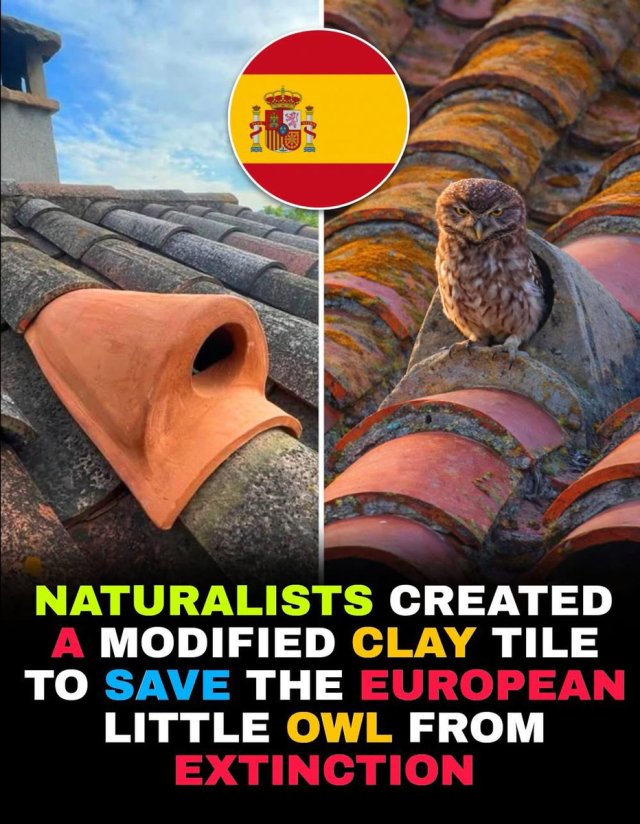
A ROOF TILE THAT’S GIVING LITTLE OWLS THEIR HOMES BACK

In rural Spain, a clever design is helping thousands of nocturnal birds reclaim what modern construction quietly took away.

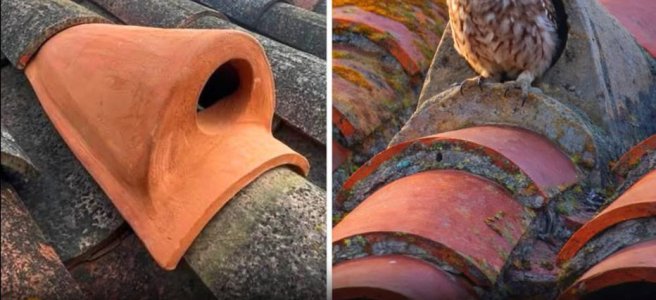
The Little Owl once nested in old stone walls and traditional farmhouses. But as rural architecture modernized, those natural cavities disappeared — leaving these small hunters without shelter. So conservationists from the Grup de Naturalistes d’Osona and Grup de Natura Sterna designed something brilliant. They created the Teula Mussolera — a modified clay roof tile that doubles as a high-tech birdhouse.

Here’s why it works: It looks exactly like traditional Spanish roofing — preserving the beauty of rural homes. Its internal tunnel is predator-proof and thermally stable, protecting chicks from heat and hunters. It allows owls to live alongside humans as villages expand. And here’s the smartest part… This isn’t charity. It’s a partnership. The Little Owl is an elite natural pest controller — hunting thousands of insects and rodents every year.

Farmers who install these tiles aren’t just helping wildlife… they’re recruiting a silent, feathered security team that reduces the need for chemical pesticides.

Sometimes conservation isn’t about separating humans and nature. It’s about designing a way to thrive together. The good news in this story is that someone figured out how to accommodate both mankind and nature in the same environment. Today’s JohnKu talks about coexistence. I hope you have a wonderful weekend.

Them or Us by John  W. Howell © 2026

When smart people think,

Plans come together real fast…

Them or us no more.

Friday JohnKu – AKA – TGIF – Fri-Yay/Good News

Photo by Kim Ortiz

Today’s good news comes from CBS Austin. Thanks to The Producer for finding it.

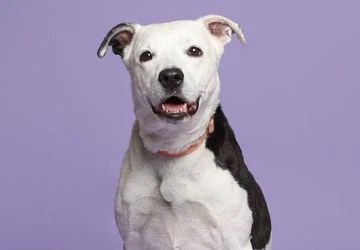
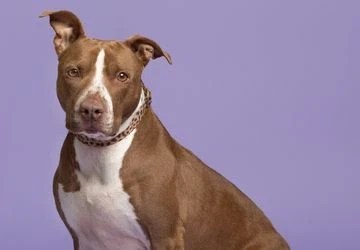
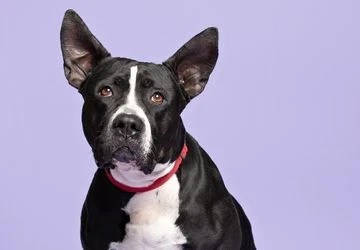
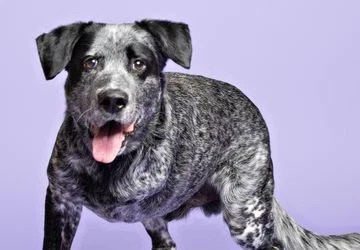
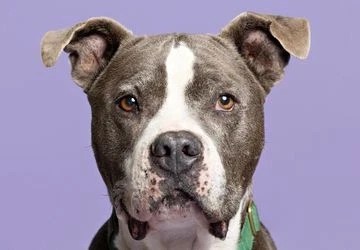
Austin Photographer Giving Shelter Dogs a Second Chance Through the Power of a Portrait