This day always brings to mind grandfathers, grandmothers, fathers, mothers, uncles, aunts, cousins, and siblings. All those in my family who served their country in the armed services and medical corps. Their service not only helped defeat America’s enemies but ensured that each of us had the freedom to pursue life, liberty, and happiness.
Today is the day to remember all who have served and those whose service also meant their ultimate gift to our freedom.
God bless our veterans. Today’s JohnKu is about just one.
In the aftermath of Hurricane Ian late last month, families devastated by the floodwaters tried to put the pieces of their lives back together. Lost pets wandered the streets, hoping someone might help them.
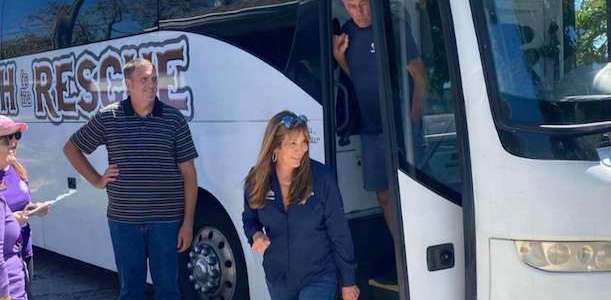
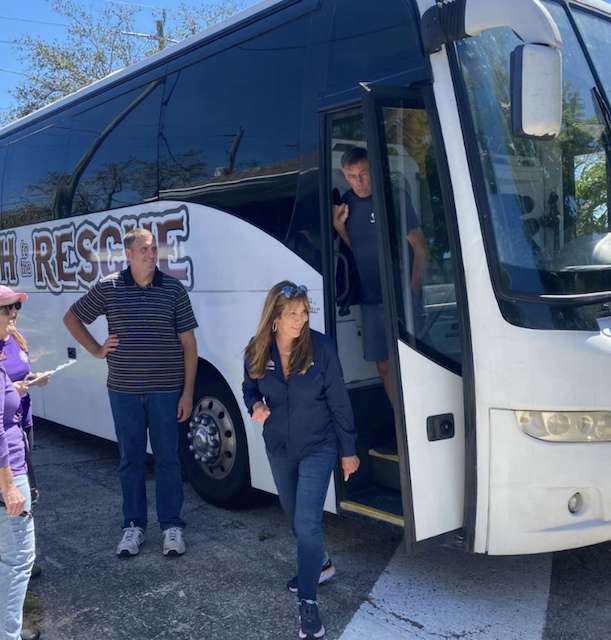
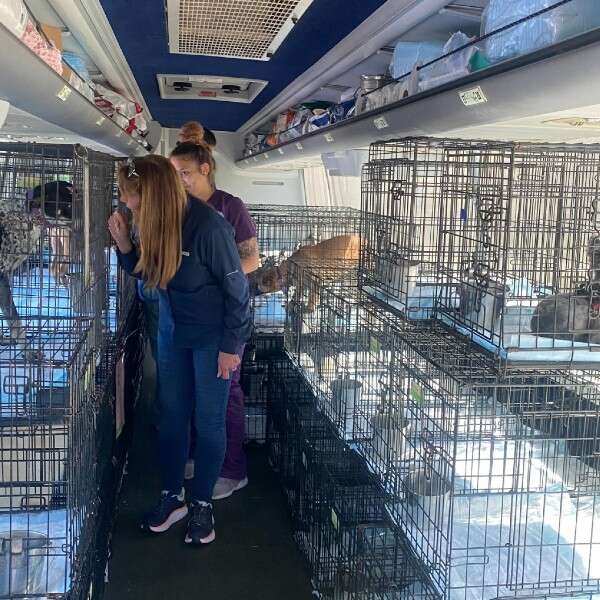
Flush with pet food, blankets, crates, and other supplies, the rescue bus made its way through the Florida streets, ready to help anyone in need.
Big Dog Ranch Rescue executive director Robin Friedman was heavy-hearted as she met scores of pets separated from their homes.
“It’s just heartbreaking on so many levels,” Friedman told The Dodo.
Soon, their bus was full of lost dogs who were all happy to be on their way to a safe place where they could recuperate.
INSTAGRAM/BIGDOGRANCHRESCUE
The rescue’s mission is to reunite families with their pets. They don’t want anyone who’s already lost so much to have to lose their dog, too. They’ve been happy to provide temporary shelter while families figure out what to do next.
“It always feels good knowing that you’re going to be able to reunite the animals with their people,” Friedman said.
When a family with a 7-month-old baby and two bonded Labradors worried that they’d have to give up their beloved dogs, the rescue stepped up, promising to keep both dogs safe until the family was ready to care for them again.
Already, the rescue has helped many of the dogs left alone without a family find loving, permanent homes.
Though many still struggle to recover after the storm, with help from organizations like Big Dog Ranch Rescue, Florida residents and grateful pets are slowly getting back on their feet. The good news here is there are people who dedicate themselves to saving lives no matter the form.
Today’s JohnKu talks about the best of us. I hope you have a wonderful weekend.
275 exotic parrots are now on their way to a new wildlife sanctuary after their heroic caretaker pulled all of them up into his stilted house like Noah’s Ark to ride out Hurricane Ian.
There’s no question in Will Peratino’s mind that if he had not done so, the waves which crested his 5-foot high fencing around Malama Manu Sanctuary on Pine Island would have drowned all of them.
After the devastation, a full-scale volunteer effort transported all 275 parrots by boat through flooded canals to solid ground, where they will be taken to another wildlife sanctuary.
The efforts were led by Project Dynamo, a volunteer rescue operation from Tampa that heard about Peratino’s plight. They put together a team and four boats to put all the parrots into cat-sized pet carriers and bring them off the ravaged Pine Island.
One of the volunteers from the new sanctuary said they are likely to take the birds in for 6 months to a year.
“It’s been a long week,” Peratino said once all his birds were safely on their way. “This represents us being able to accomplish what we wanted to do, which was to save all these birds. We heard other people just abandoned their pets, and there’s no way we could do that.”
There is a lot of work ahead for this parrot-loving man, to build a new home for the flock, which includes breeding pairs meant to safeguard populations of endangered animals from becoming extinct.
It’s as close to a modern reproduction of the story of Noah as one can find.
Here is a video of the rescue.
The good news here is that even though human life was not at risk, preserving an animal species raised a call to action and response. Today’s JohnKu talks about priorities. I hope you all have a super weekend.
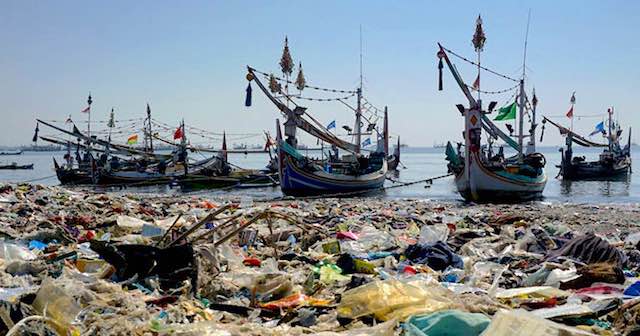
In Indonesia, small-time fishermen are being paid as part-time ocean cleanup crews as the archipelago seeks to tidy their seas and raise awareness among stakeholders at the same time.
The Ministry of Fisheries announced on October 4th that they had stashed around $70,000, or 1 billion rupiahs, to pay fishermen for any plastic trash they recovered from the oceans.
Many countries around the world are setting environmental or climate goals for themselves. One of the largest contributors of ocean-going plastic waste, Indonesia is looking to shake off that reputation by spending $1 billion over the next 3 years to reduce plastic entering the oceans from their shores by 70%.
If an Indonesian fisherman working off the main islands can collect 4 kilograms of trash per day, the government will pay out around $10 for it, which is slightly more than they would get if they spent their day catching fish to sell at market prices.
“This activity is very simple,” Sakti Wahyu Trenggono, the fisheries minister, said at a press conference in Jakarta. “But at least this will raise awareness among the stakeholders at sea and the people around the world.”
“The most important thing is prevention,” Sakti said. “If we can properly conduct prevention, then there shouldn’t be any waste in the sea. Because once the trash gets to the sea, then it’s already damaged.”
Indonesia is located in one of the fastest-developing regions on the planet, economically speaking, and the use of plastic waste has outpaced the installation of recycling infrastructure, especially on the smaller islands.
According to the UK’s Pew Trust, 95% of all fishing activities are small-scale. Small fisheries can’t absorb costs from things like ocean pollution or additional taxes like large-scale fisheries can, making this bottom-up approach to ocean cleanup uniquely suited to Indonesia.
Furthermore, Indonesia is surrounded by some of the most biodiverse shallow seas on earth, a Mecca for divers and snorkelers who aren’t interested in wading through plastic while they do it.
The good news here is a major plastic pollution contributor is taking steps to reverse the behavior. Today’s JohnKu talks about stepping up to the plate. I hope you have a fabulous weekend.
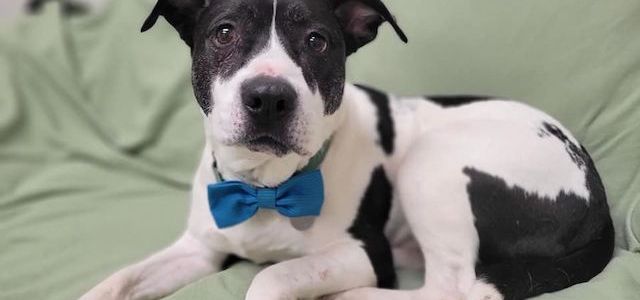
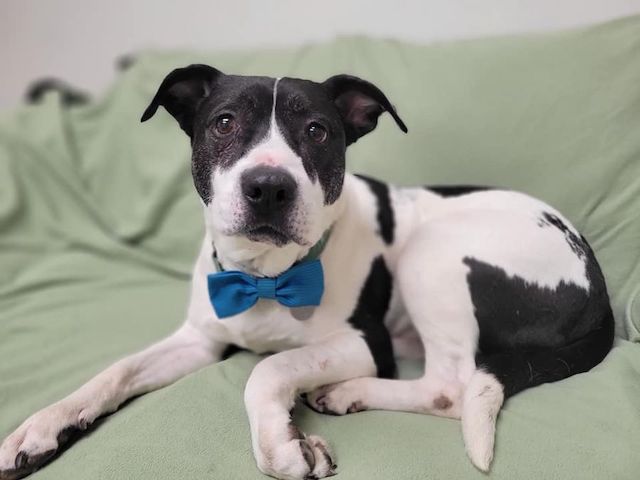
After spending years in the shelter system, Flip the dog has a forever home.
On September 16, PEOPLE shared the black-and-white dog’s story. At that time, the 7-year-old rescue pooch had spent over 2,555 days in Ohio shelters waiting to be adopted.
Jennifer Schorr, the associate director of the education division at the Buckeye Community Hope Foundation, heard about Flip’s situation through a Facebook post. Having lost her beloved German Shepherd to illness a few months ago, Schorr wasn’t looking to adopt a new dog right away.
“But when I saw Flip, he melted my heart, and his story melted it even more,” Schorr told PEOPLE, adding that she knew she wanted her next pet to be an older dog “that needed some TLC.”
Enamored with Flip’s sweet face, Schorr reached out to Lake Humane Society to ask about adopting the dog, who was in a foster home at the time. The shelter told Schorr that they didn’t know much about Flip’s history, except that he spent time at a shelter in Youngstown and likely experienced abuse early in his life.
JENNIFER SCHORR
To ensure that Flip and Schorr would be a good fit, Lake Humane Society asked Schorr to visit the canine, so she made the 3-hour drive to the shelter to meet Flip face to face.
“They told me he might not warm up to me at first, but it was just the opposite. He came and sat next to me, and he even gave me kisses,” Schorr said of her introduction to Flip.
After this first adorable interaction, Schorr met with Flip again and then had the dog visit her house in Pataskala, Ohio.
“Flip trotted right in and made himself at home!” Schorr said.
JENNIFER SCHORR
Schorr’s residence is now officially Flip’s home, and the pup has continued to amaze his new owner with his warm, welcoming personality.
“Flip is a very loving dog and loves to cuddle on the couch with you,” Flip’s pet parent shared.
And while Flip is still nervous about some new things, Schorr is content to “go slow” with the dog and let him adapt to home life at his own speed.
“We take walks around the neighborhood, and he is the perfect dog. He is adjusting very well to being out of the shelter. He actually slept with me in bed the other night for the first time ever in his life. He was in heaven!” she said
JENNIFER SCHORR
“I am confident Flip will be just fine living with me in his forever home. I love him so much already,” Schorr added.
Schorr also said that she hopes Flip’s story inspires others to adopt their next pet, so they can experience the companionship that blossoms after you save a life.
“There are so many loving dogs that just need a chance to become your furry friend. Some may need more care and attention than others, but they all deserve it. The tail wag, kiss on the cheek, or smile on their face lets you know how much you are appreciated. It is never too late — Adopt!” Schorr shared.
The good news here is that Flip is now in a loving home.
Today’s JohnKu talks about pets. I hope you have a wonderful weekend.
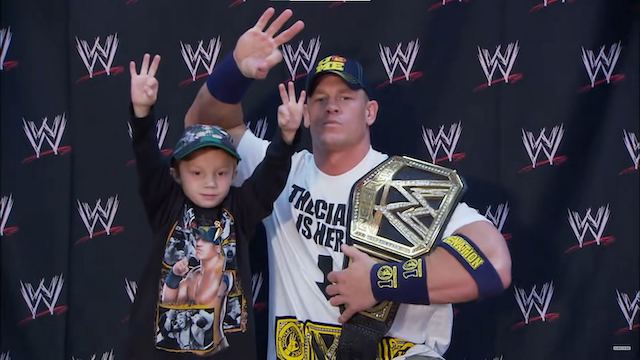
American actor and WWE superstar John Cena has set a new record for the most wishes granted through the Make-A-Wish Foundation with 650.
The Make-A-Wish Foundation helps fulfill the wishes of children who have been diagnosed with a critical illness. As the most wished-for celebrity, nobody else has ever granted more than 200 wishes in the 42-year existence of Make-A-Wish.
Targeting children between the age of 2 and 18, they can choose to meet a celebrity, go to an event or even give a gift to someone else and were “thrilled” to honor Cena as the man who has fulfilled the most wishes.
“If you ever need me for this ever, I don’t care what I’m doing, I will drop what I’m doing and be involved because I think that’s the coolest thing,” Cena said in an interview after being honored for 500 wishes granted. “I just drop everything, [and] if I can offer a fantastic experience, I’ll be first in line to do my part.”
Cena began his career in professional wrestling in 1999 and has since become one of the most popular athletes of all time; he is a 16-time world champion in WWE.
A crowd favorite character and the face for WWE’s “Be a Star” anti-bullying campaign, he granted his first wish for the Foundation in 2002. In 2012, Cena granted Make-A-Wish’s 1000th wish to a fan named Cardon.
Once receiving the opportunity to meet Cena, children take photos and hang out with their favorite wrestler and sometimes even venture inside the ring.
Cena is usually accompanied by one of his championship belts: he has held the WWE Championship 13 separate times and often lets the kids try it on.
WATCH A look back at his 650 wishes, but keep a tissue handy!
The good news with this story is a person who has fame can bring joy to those who most need it. Bless you, John Cena. Today’s JohnKu talks about paying it forward. I hope you have a special weekend.
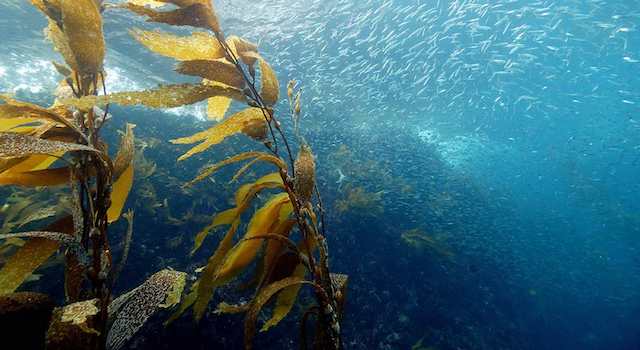
Great forests of ocean kelp were found in a recent study to be between 4 and 11-times more productive than the most productive crops grown today like wheat, corn, and rice.
On land, the fastest growth rates occur in the tropics, but in the ocean, the most productive ecosystems are found in the temperate zones, where cool, nutrient-rich waters create forests of golden, bull, and bamboo kelp that can grow 100 feet tall (35 meters).
This was the result of a global diving survey organized by the University of Western Australia, during which they found the most productive sea forests outgrow even the mighty Amazon Rainforest.
These most productive forests came from South Australia and South Africa, where can be found the Great Southern Reef and the Great African Sea Forest, respectively.
The Great African Sea Forest is believed to be expanding in size, unlike many other mega undersea habitats. Made up of bamboo kelp and containing huge amounts of biodiversity, it stretches over 400 miles from Cape Town’s waters to Namibia’s, nourished by an Antarctic current known as the “Benguela upwelling.”
The Great Southern Reef in Australia is fringed by a golden kelp forest stretching 5,000 miles across the continent’s coast. Next to the golden kelp, bull kelp can grow at a rate of 14 centimeters per day.
“On land, we can use satellites to measure tree growth, but underwater things are much more complicated as most satellites cannot make measurements at the depths kelp forests are found,” Dr. Albert Pessarrodona from the university’s Oceans Institute and School of Biological Sciences, told the Sydney Morning Herald.
To get around this fact, divers around the world compiled productivity reports on kelp forests, which were then compared and analyzed for nutrient levels, sun penetration, and wave exposure.
The findings were that tropical forests were not the most productive and that those from the temperate zones contain kelps that can grow 11-times faster than wheat, corn, or rice.
This mass natural production aids in the world’s food security, the authors found, and nowhere is this more demonstrated than in Indonesia. The aquaculture of their seaweed forests creates products as varied as bioplastics alongside ice cream.
As well as assisting in human flourishing, these forests play a critical role in the global carbon cycle by absorbing carbon dioxide from the atmosphere. Much like their productivity is much higher than their terrestrial counterparts, the rate at which they absorb CO2 has been measured to be 30x faster than trees on the land.
Scientists from the non-profit Great Southern Reef estimate that if just 0.001% of the ocean’s surface was cultivated with these productive forests, it would offset the emissions of the entire global aquaculture industry.
The good news here is hope for the continued renewal of the Earth. Today’s JohnKu talks about carbon emissions. I hope you have a great weekend.
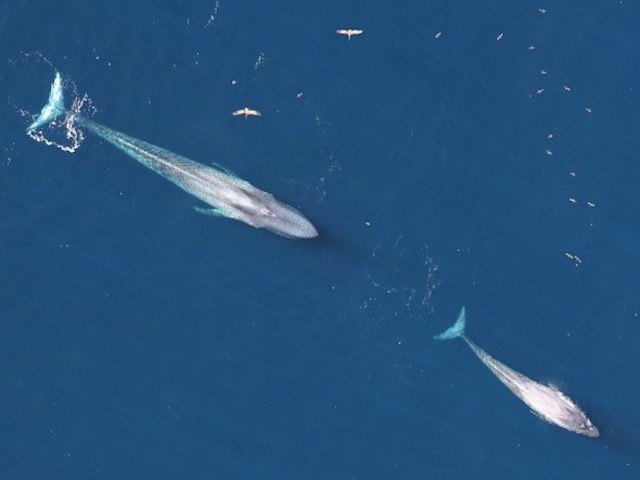
Mediterranean Shipping Company (MSC) has taken a major step to help protect blue whales and other cetaceans living and feeding in the waters off the coast of Sri Lanka by altering shipping lanes to avoid their habitat.
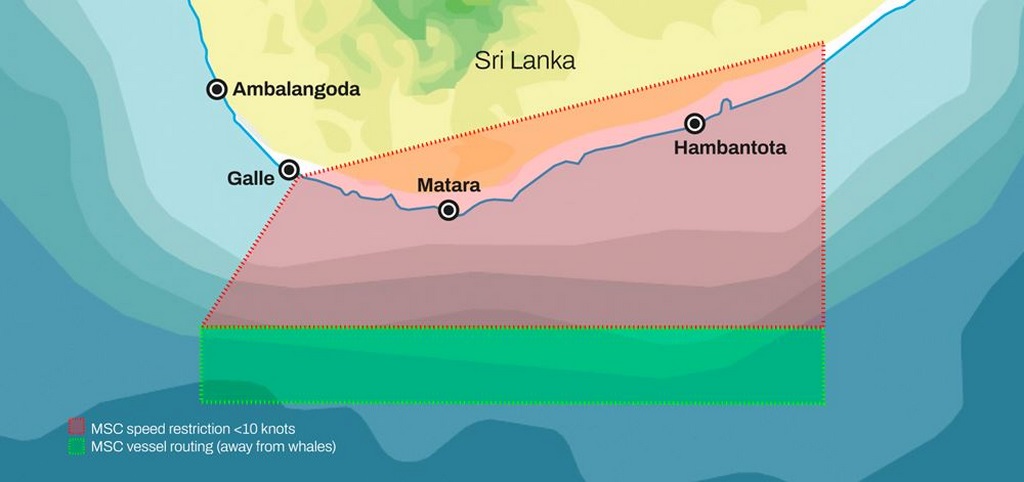
A global leader in container shipping and logistics, MSC began in mid-2022 to voluntarily reroute its vessels passing by Sri Lanka on a new course that is approximately 15 nautical miles to the south, in line with the advice of scientists and other key actors in the maritime sector.
The decision was based on research surveys completed by the International Fund for Animal Welfare (IFAW), with the World Trade Institute (WTI), Biosphere Foundation, University of Ruhuna (Sri Lanka), and supported by the World Wildlife Fund (WWF).
Westbound ship traffic is now limited to a latitude between 05 30N and 05 35N, and eastbound traffic is limited to a latitude between 05 24N and 05 29N in order to avoid designated cetacean habitats.
– Released.
Sri Lanka lies in the Indian Ocean, between Asia and Europe, and the port of Colombo is a major transshipment hub for global trade.
The area off its southern coast is one of the busiest shipping lanes in the world and is also inhabited by large populations of whales, meaning that these animals may be at risk of colliding with ships.
Simulations have shown that moving the official shipping lane 15 nautical miles to the south could reduce the strike risk to blue whales by a whopping 95%. However, despite years of advocacy by scientists, the shipping industry, and NGOs, the boundaries of the official shipping line have not been reassigned to reduce the risk of ship strikes on cetaceans.
MSC is now taking measures to protect marine wildlife seriously, from adapting shipping service networks to keep away from designated whale breeding and feeding grounds to reducing vessel speed and rerouting ships to avoid reported marine wildlife populations.
“We believe that the commercial shipping sector has an important role to play in protecting cetaceans, specifically in helping to reduce the risk of ship collisions with whales,” said Stefania Lallai, Vice President – Sustainability at MSC.
“MSC is proud to rank at or near the top of whale safety shipping rankings. However, we are not at all complacent. We believe that raising awareness of these issues and encouraging collaboration between industry, scientific bodies, civil society, and governments is essential as we strive collectively to do more to minimize the risk of ship strikes.”
In Sri Lanka specifically, the liner shipping industry led by the World Shipping Council, of which MSC is a member, has advocated creating a new official marine traffic scheme that is fully separated from the blue whale feeding area.
It is hoped that this will soon become a reality, so all large-scale commercial marine traffic moves to the more southerly zone that MSC ships are now guided to follow. In the meantime, MSC urges all other ship operators to consider choosing a more southerly route past Sri Lanka to significantly reduce the possibility of whale strikes.
The good news here is that big business is beginning to take some stewardship of the planet. Today’s JohnKu talks about sharing the planet. I hope you have a terrific weekend.
Today’s Good News was submitted by dear friend Harmony Kent from the UK. She thought we would all enjoy it and sent it on. I have reproduced it here in its entirety. (Left the British English alone.) Thank you, Harmony.
Leeds: M62 motorist brings sick driver’s car safely to a stop
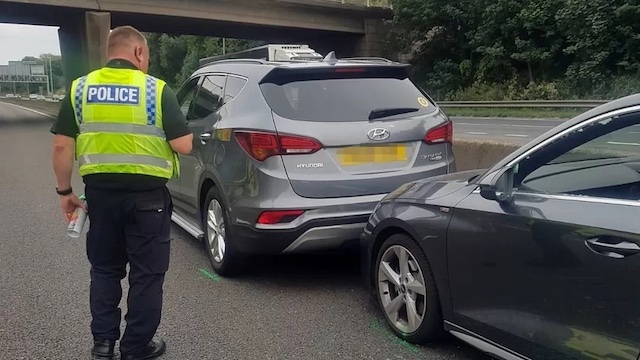
A car whose driver had fallen seriously ill while at the wheel on a motorway was brought to a halt by a quick-witted motorist who had realised his plight.
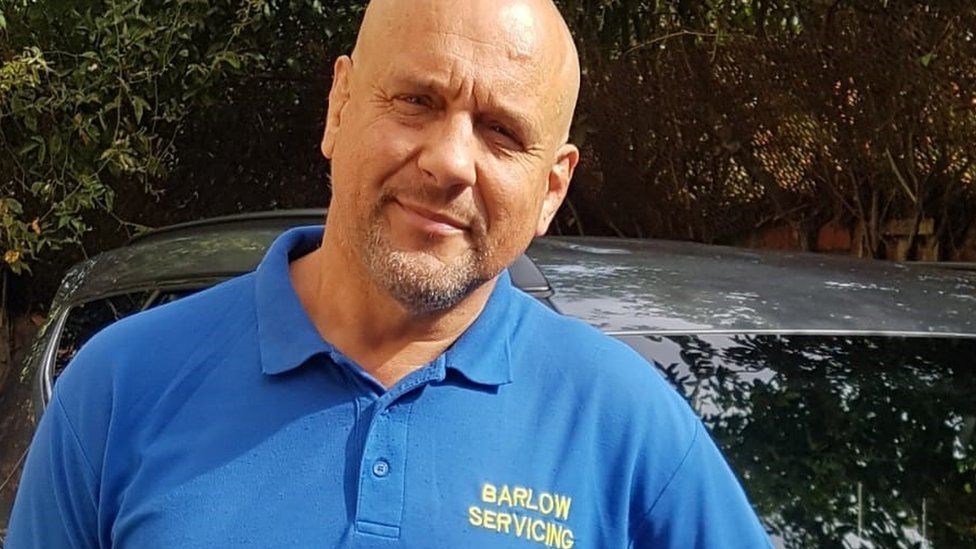
John Barlow said he spotted the Audi going slowly in the outside lane of the M62 near Leeds on Saturday. The driver was slumped with a bloodied face.
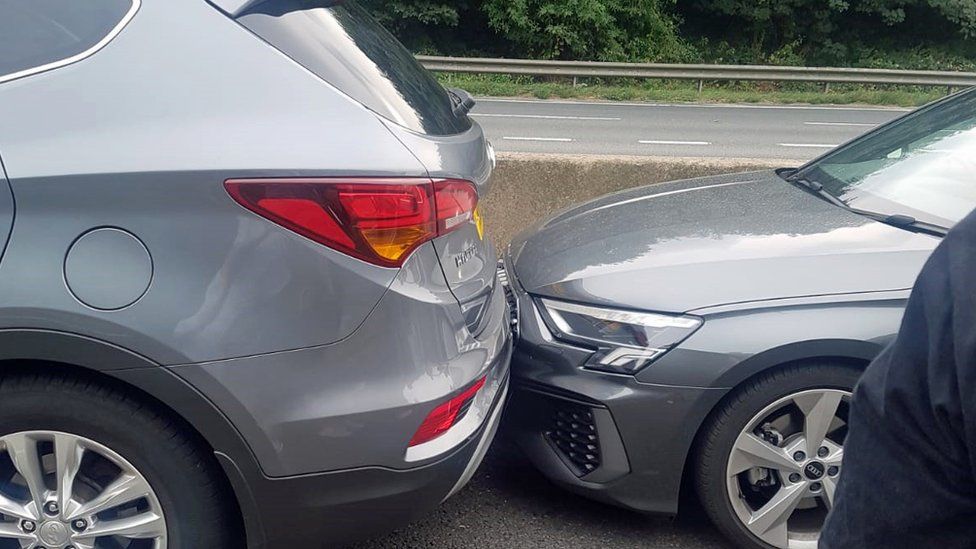
Mr. Barlow managed to get his car ahead of the Audi and eased it to a stop before getting out to help the man.
It emerged the driver had suffered a seizure but was well enough to go home.
Mr. Barlow, 59, from Middleton in Greater Manchester, said he first noticed the Audi travelling slower and slower and he pulled alongside to see the driver.
“He looked dead at the wheel. I could see his lips were blue, and he had blood trickling down his face,” Mr. Barlow said.
He pulled into the lane ahead of the Audi, which was travelling at about 30mph (48km/h), before taking his foot off the accelerator and bringing both cars to a stop.
IMAGE SOURCE, PA MEDIA
Image caption,
John Barlow used his car to stop the vehicle after he spotted the driver was seriously ill.
The incident happened at about 15:15 BST on Saturday (September 3) on the M62 eastbound carriageway between junctions 29 and 30, a West Yorkshire Police spokesperson confirmed.
Officers said a man in his 70s had fallen ill, and Mr. Barlow’s actions to stop the car had prevented a “potential serious collision.”
IMAGE SOURCE, JOHN BARLOW
Image caption,
Mr. Barlow pulled in ahead of the ill man’s vehicle and helped ease it to a stop.
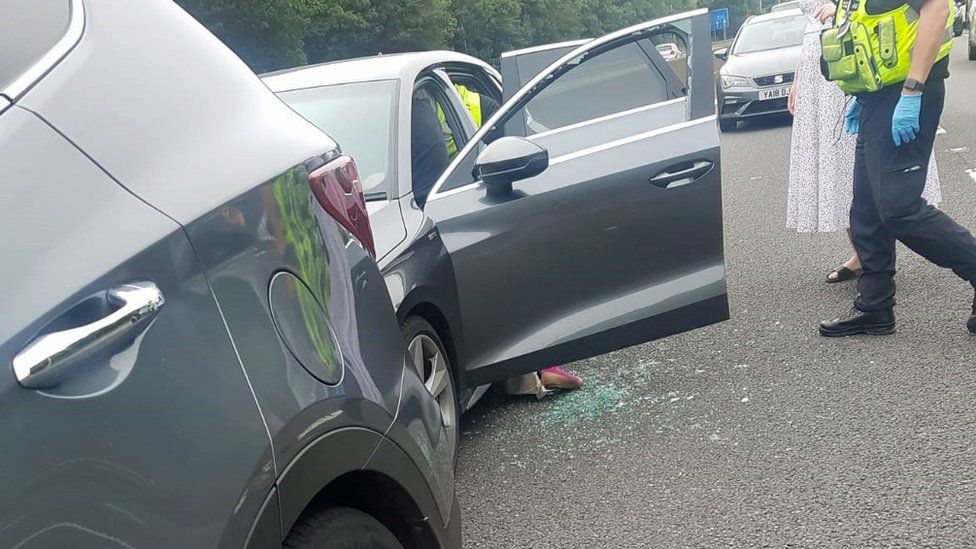
After the Audi was stopped, another man helped Mr. Barlow break into the vehicle.
He opened the seriously ill driver’s airway by tilting his jaw backwards, at which point the Audi driver took in a gasp of air.
Other drivers also stopped at the scene, bringing the four-lane carriageway to a halt.
A physio and an off-duty police officer took over the first aid until paramedics arrived.
Meanwhile, a doctor on the opposite carriageway of the M62 travelled to the next junction, turned round, and battled through the backed-up traffic to get to work with a defibrillator.
Mr. Barlow said: “Everyone was amazing, it was a real team effort. They got the man on the floor, then the doctor jumped in as well.”
IMAGE SOURCE, JOHN BARLOW
Image caption,
Motorists stopped to help the seriously ill driver, who had suffered a seizure at the wheel.
Mr. Barlow had been travelling to Pontefract with his wife Kirsty and son Joey, 7, to pick up a new kitten at the time of the incident.
The next day, he received a call from West Yorkshire Police thanking him, and he was told the driver had suffered a seizure but was well enough to go home.
He said he hoped to meet the man he saved in the future, adding: “I’d shake his hand and give him a hug.”
The good news here is someone cared enough to save a life. Today’s JohnKu talks about caring. I hope you all have a delightful weekend.
Today’s good news comes to us from the Daily Paws. Here is the story unedited.
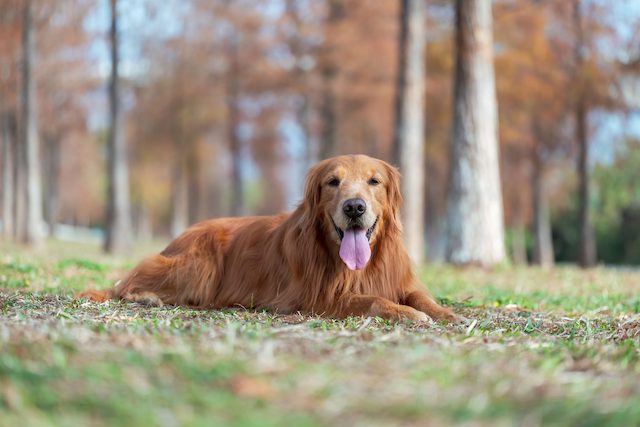
Elderly, Blind Golden Retriever Returns Home After 3 Weeks Missing in Alaska Wilderness
The Alaskan bush is tough terrain for almost anyone, let alone an elderly, blind, golden retriever.
By Jennifer Huizen August 30, 2022
CREDIT: CHENDONGSHAN / GETTY
If you’re a fan of Naked and Afraid, you know how hard it is to survive in the Alaskan wilderness. But let us introduce you to an older, blind golden retriever who held her own in the wild for three weeks alone.
On June 18, the Kubacki family’s beloved fur-baby, Lulu, went missing. “She means everything,” her dad Ted Kubacki told theAssociated Press. “I have five daughters, and they’re 4 to 13 years old, so they’ve spent every day of their life with that dog.”
The entirety of the Kubacki family searched for Lulu for weeks, but to not avail. Cruelly, someone even texted the family, telling them they’d found Lulu—only to then follow up with a “just kidding.”
But on July 5, a construction crew spotted the golden retriever, who they initially mistook for a bear, in a salmonberry bush lining the road they were working on. Lulu was about 15 feet down an embankment off the side of the road, not too far from the Kubacki’s home. Upon closer inspection, the construction workers realized they had found a dog who needed care.
Ted Kubacki told the AP that when he got word Lulu had been discovered, “I called my wife from work and it was just screaming. … She just starts yelling, then she yells to the kids. And I just hear them screaming like crazy.”
Lulu and her family
But Lulu was in very bad shape after her mistaken romp into the woods. According to the AP, Lulu, normally an 80-pound dog, had dropped 23 pounds and was severely dehydrated, dirty, and had matted fur.
“I just expected to come back and be like, ‘Hey, here’s my dog.’ She’s going to jump up and wag her tail and kiss my face, and she couldn’t even pick up her head,” Kubacki told the AP. “She’d been through the wringer.”
But after medical attention, R & R, and food, Lulu is on the mend.
“Slowly but surely she started eating and she was kind of able to pick her head up. But then yesterday, she propped herself up on her front paws by herself, like nestled into me and gave me a kiss and wagged her tail and it was just so great,” Kubacki told the AP.
Kubacki told the AP he was worried about covering Lulu’s vet bills, but people from their town of Sitka had donated hundreds to foot the bill.
“We have our family member home,” Kubacki said.
The good news here is Lulu never gave up.
Todays JohnKu talks about giving up. I hope you have a great weekend.

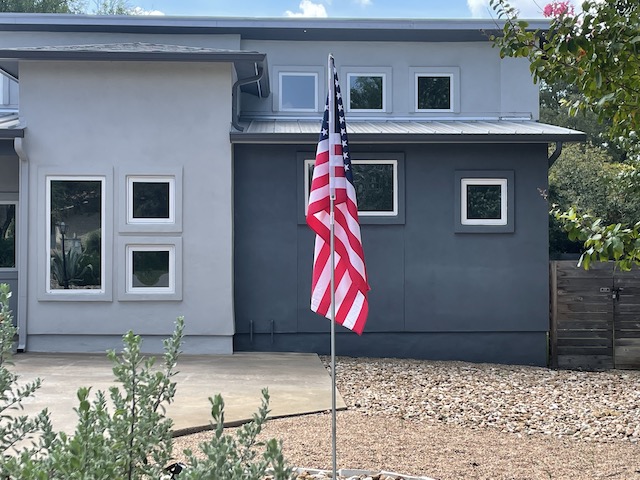 This day always brings to mind grandfathers, grandmothers, fathers, mothers, uncles, aunts, cousins, and siblings. All those in my family who served their country in the armed services and medical corps. Their service not only helped defeat America’s enemies but ensured that each of us had the freedom to pursue life, liberty, and happiness.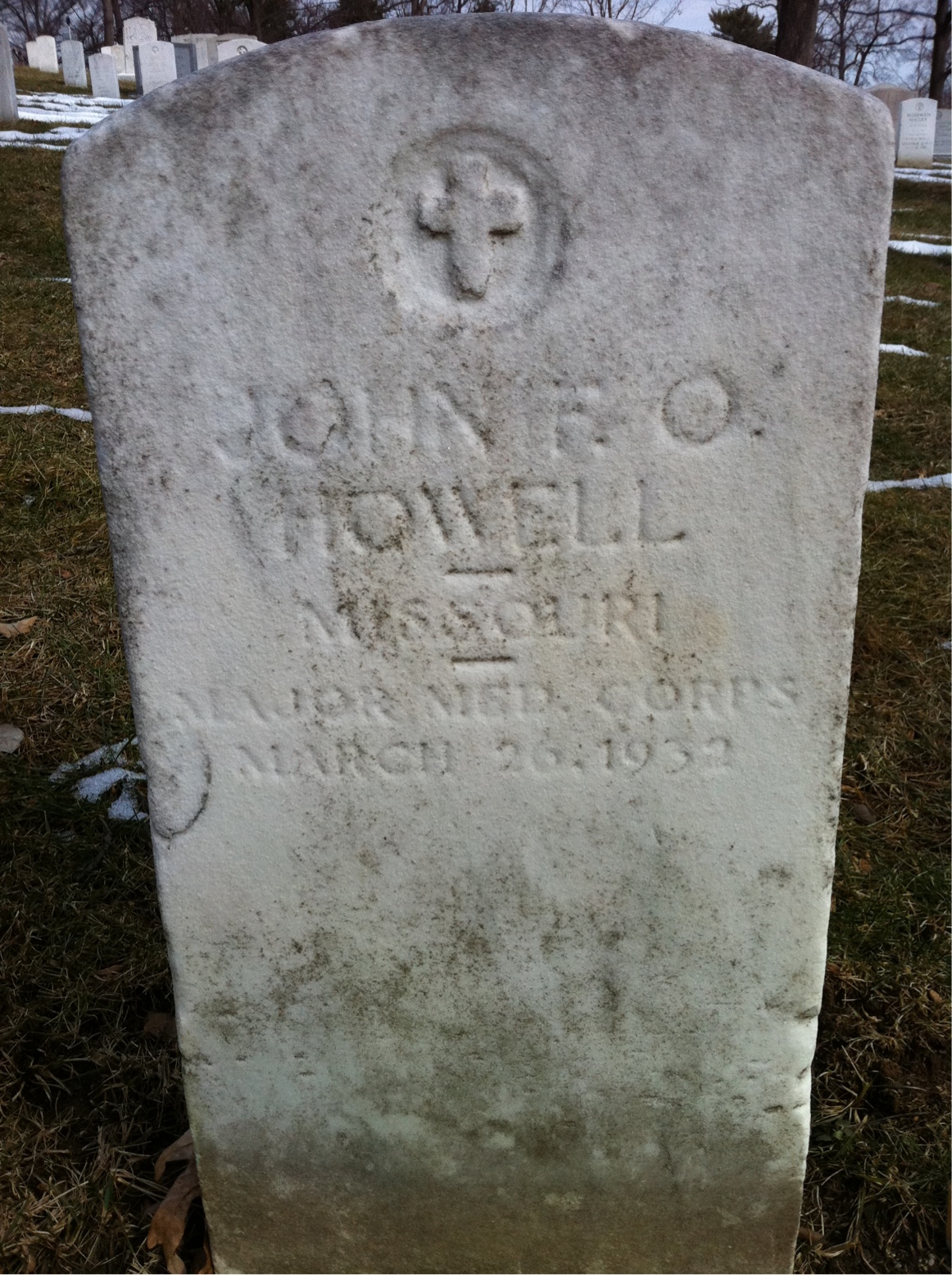

:max_bytes(150000):strip_icc():focal(614x524:616x526)/flip-the-dog-093022-1-f5b0b7b6447b432cb32ec86dad59e0fb.jpg)
:max_bytes(150000):strip_icc():focal(656x0:658x2)/flip-the-dog-093022-2-2634d49473d748138da3e8b7f384c3ff.jpg)
:max_bytes(150000):strip_icc():focal(949x524:951x526)/flip-the-dog-093022-3-cce4d580e7e84756984b2769eeada2ab.jpg)