
Today’s good news story comes from Clever Journey’s newsletter. It was sent to me by GP, whose blog is at https://pacificparatrooper.wordpress.com
Breakthrough at Texas University as Researchers See Plant Extracts Remove Microplastics From Water
Researchers from Tarleton State University in Texas have discovered that plant-based extracts, particularly from okra, fenugreek, tamarind, and cactus, can significantly remove microplastics from wastewater.
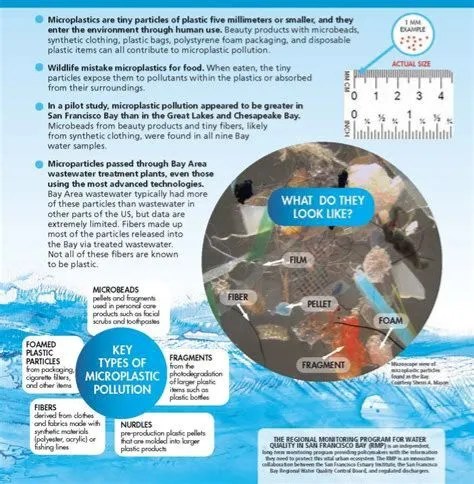
Some plastics are made to be small. These are known as primary microplastics, like the microbeads intentionally added to face washes and other personal care products. But most microplastics come from the slow disintegration of larger plastic products, including plastic wrap, takeaway containers, polyester clothes, tires, paint, and artificial turf. These are known as secondary microplastics.
Exposure to microplastics can also occur through inhaled air. Data from animal studies have shown that once absorbed, plastic micro- and nanoparticles can distribute to the liver, spleen, heart, lungs, thymus, reproductive organs, kidneys, and even the brain (crosses the blood–brain barrier).
Key highlights:
Okra and fenugreek mucilage (plant-based goo) work by acting as a natural coagulant.
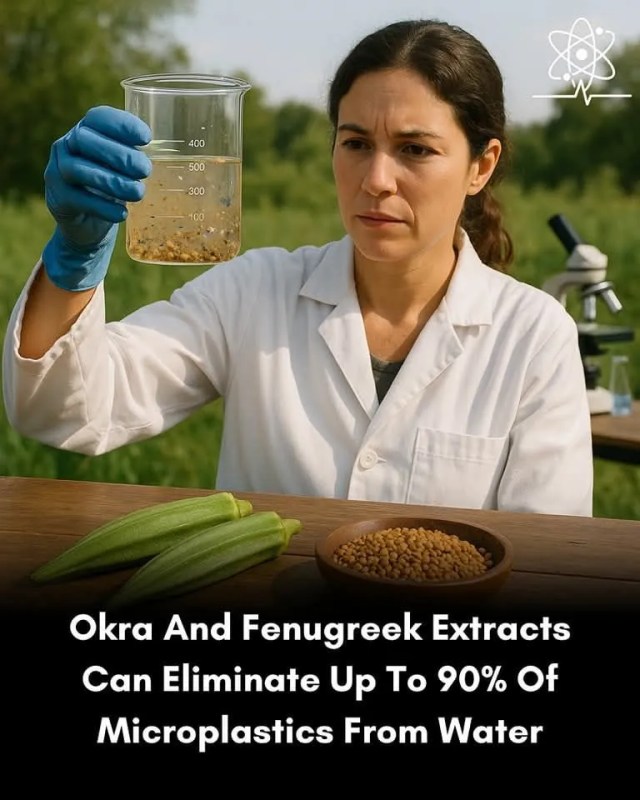
When combined in the correct ratios, they can remove up to 90% of microplastics from water.
Unlike synthetic coagulants (like polyacrylamide), these natural alternatives are non-toxic and environmentally friendly.
The study is part of an effort to find sustainable solutions to the growing problem of microplastic contamination in water bodies.
The extracts are especially effective when removing microplastics from the ocean and freshwater sources.

The lead researcher, Dr. Rajani Srinivasan, emphasized that this approach could make wastewater treatment safer and more eco-friendly, especially in areas lacking access to expensive treatment technology.
Meanwhile, common chemicals found in plastic products—especially phthalates and BPA—have been linked to a significantly increased risk of heart disease.
These chemicals are widely used in items like water bottles, food packaging, and toys. According to research, such exposure may contribute to over 350,000 deaths globally each year due to cardiovascular complications.
Phthalates are known to disrupt hormones, raise blood pressure, and increase the risk of conditions like diabetes and heart failure.

Scientists are urging more regulation and awareness as plastic pollution continues to impact public health.
The good news in this story is that there is continued concentration on solving the single-use plastic problem. Today’s JohnKu talks about hope. I wish you a very peaceful weekend.
Progress by John W. Howell © 2025
There are several ways,
To eliminate problems . . .
Keep hope up on all.


Very cool advancement. Though the explanation of how we ingest plastic makes me wonder if we’ve become an entire species of living action figures. Only no kung-fu grip and some of us don’t have joints that bend effectively.
LikeLiked by 1 person
Well, they say we all have plastic in us, so your scenario may be true.
LikeLike
Finally… a good reason for okra’s existence 😉
All jokes aside, this is a most wonderful thing! Excellent share this Friday. Hope your day is a fabulous one.
LikeLiked by 1 person
Thank you, Dale. I hope all the work done on plastic bears fruit soon. I have to return the hope that your day is as fabulous as you. (I know, sweet talker) 😊
LikeLiked by 1 person
Yes, indeed. We have to fix what we broke. And you can sweet talk me any time!
LikeLiked by 1 person
😀
LikeLiked by 1 person
Sounds like a promising discovery!
LikeLiked by 1 person
We have to hope so.
LikeLiked by 1 person
It would be nice to find a good use for okra.
LikeLiked by 1 person
Wouldn’t it? 😊
LikeLiked by 1 person
😁I can’t abide the stuff.
LikeLiked by 1 person
I’m shocked you don’t like slimy greens
LikeLiked by 1 person
*shudder*
LikeLiked by 1 person
*double shudder*
LikeLiked by 1 person
😁
LikeLiked by 1 person
😀
LikeLiked by 1 person
I thought it was a great idea, let’s use that hope that more and more water treatment facilities use these new breakthroughs.
LikeLiked by 1 person
I agree, GP. Thanks again for the story.
LikeLiked by 1 person
Sure thing!
LikeLiked by 1 person
😊
LikeLiked by 1 person
I’m so glad to see all the work being done on plastics, and it’s all because of your Friday posts, John. Have a great weekend!
LikeLiked by 1 person
Ha ha ha. I love that comment, Teri. If it were only true.
LikeLiked by 1 person
This is an interesting discovery. It’s like a bio friendly oil slick method of removing plastics.
LikeLiked by 1 person
That describes it perfectly. 😀
LikeLiked by 1 person
This sure sounds like a great logical discovery. To hear that harmful chemicals are in water bottles is shocking. I see people in the store with a big load of bottled water in their shopping carts.
LikeLiked by 1 person
Yes, it is shocking, Tim. I use tap water, and who knows what’s in that.
LikeLiked by 1 person
Marvelous news, John.
LikeLiked by 1 person
I agree, Pat.
LikeLiked by 1 person
👍👍👍
LikeLiked by 1 person
😊
LikeLike
It’s reassuring that so many scientists are working on this, isn’t it. Thanks for the good news.
LikeLiked by 1 person
I think it is vital to human and animal health that something be done.
LikeLike
This sounds like it may help the plastics problem. It would, of course, be better if plastics just weren’t used. Thanks, John
LikeLiked by 1 person
I agree. It would be better.
LikeLiked by 1 person
It really is good when breakthroughs like this are made. I’ve just read Robbie’s comment. Yes, it would be better if plastics weren’t used, but I sadly can’t see that happening for a long while. But this is a good step on the way.
LikeLiked by 1 person
Yes, we could all stop using plastics, but then the supply chain would grind to a halt.
LikeLiked by 1 person
It really would. So we have to find ways to work with it like this.
LikeLiked by 1 person
I agree. There has to be a better way. Thanks, Esther.
LikeLiked by 1 person
This may be the first time I have ever said this… 3 cheers for Okra!
LikeLiked by 1 person
I will cheer with you.
LikeLiked by 1 person
This is fascinating, John. I recently discovered there are microplastics in unsuspecting places such as sea salt. Who knew? I agree with the JohnKu!! We have to keep hope alive!
LikeLiked by 1 person
Anything that comes from the sea has the potential of having plastic particles in it. Yes, keep hope alive.
LikeLiked by 1 person
Wow.
LikeLiked by 1 person
Where have you been?
LikeLike
Wow that is impressive and good news and Tarleton State University on top of it. That’s not exactly MIT.
LikeLiked by 1 person
No, it is not. Shows genius can sprout anywhere.
LikeLiked by 1 person
Yes you are right
LikeLiked by 1 person
😊
LikeLiked by 1 person
I am delighted that solutions are now being found to clear out our oceans and water supplies…
Though most of our fresh water to our homes is now supplied via plastic piping!… But better than the lead ones that we used to have.. 🙂
Very GOOD news John.. thank you for sharing xx
LikeLiked by 1 person
Thanks for reading and the nice words, Sue.
LikeLiked by 1 person
I grew up eating okra (Dad was from the South), and now I’m wondering if I should start eating it again. 😄 What a great post, John. Your Friday discoveries always leave me with fresh hope. 😊
LikeLiked by 1 person
I think you can leave the okra to the professionals. 😀
LikeLiked by 1 person
More good stuff, and man . . this microplastic is EVERYWHERE. It’s scary.
LikeLiked by 1 person
It is scary. And you are right, it is everywhere.
LikeLiked by 1 person
This is good news, indeed, John! I hope they can keep their research funded.
LikeLiked by 1 person
I agree.
LikeLiked by 1 person
Great news, John, and always keeping hope alive!
LikeLiked by 1 person
That is the key.
LikeLike
Happy Father’s Day too! 🙂
LikeLiked by 1 person
Thank you, Lauren.
LikeLike
I hope they keep this up! So many great programs are getting cut these days by the government.
LikeLiked by 1 person
And some not so great.,
LikeLike
We love the idea that this latest environmental assault is being addressed. The extent of this contamination is staggering so any progress is welcome!
LikeLiked by 1 person
I agree, Monika. I just hope it comes sooner than later.
LikeLiked by 1 person
Me too, John.
LikeLiked by 1 person
😊
LikeLiked by 1 person
Hope springs eternal.
LikeLiked by 1 person
Yes, it does.
LikeLiked by 1 person
Wow! This is brilliant, on top of being good news.
LikeLiked by 1 person
I agree. 😊
LikeLiked by 1 person
Good old plants! Yay! Also, frightening about plastics contributing to heart disease death. 😦
😦
LikeLiked by 1 person
I guess the heart has not figured out how to deal with plastics. Best we get rid of it in the water.
LikeLiked by 1 person
Indeed!
LikeLiked by 1 person
😊
LikeLiked by 1 person
This sounds good, for sure.
Still, I’m cynical now to the point where I wonder many things.
EX: Is there a big corp. with funding in this who doesn’t care about the environment, but is looking for a path to keep manufacturing plastics. After all, it’s a huge industry.
I have other skepticisms, too, but this is still a great venture!
Every bit helps, and as JohnKu says – hope.
♳X ♴X ♵X ♶X
♲X
LikeLiked by 1 person
I don’t think there is a big corporation behind this. It is students doing their best. 😀X📚X
LikeLiked by 1 person
Yay!
😀X📚X😀X📚X
LikeLike
🏆X
LikeLiked by 1 person
This is great news. Didn’t you recently post the same thing was discovered in Japan? 🙂
LikeLiked by 1 person
A little different, but attacking the same problem.
LikeLiked by 1 person
Well there’s lots of hope then! 🙂
LikeLiked by 1 person
Yes, there is. 😀
LikeLiked by 1 person
Thank you for the link, Traci
LikeLike
Thank you, dear John! That’s good that the problem of microplastic is widely discussed. This is a real menace for the nature & us. I’ve heard of plants that dissolve it. So, it means that the nature is wise.🌞🍻🍤🍤🍤
LikeLiked by 1 person
Nature is wise, and I hope we humans catch up.
LikeLiked by 1 person