Friday – JohnKu -AKA – TGIF – Fri-Yay/Good News

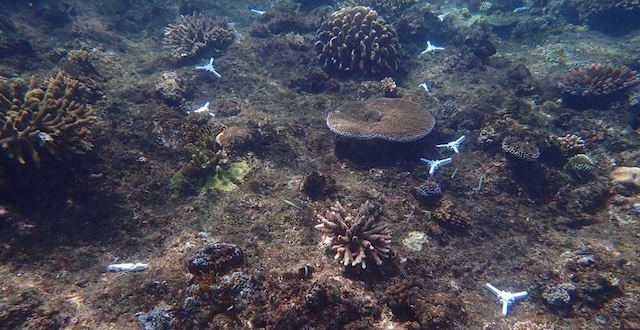
Surface-deployed substrates for coral spawning and colonization – credit ReefSeed

Today’s good news comes from the Good News Network.

10,000 Young Corals Grown in Just Weeks by New Portable Spawning Lab in the Maldives

In the Maldives, a mobile coral spawning system has been trialed with scintillating success, as 10,000 juvenile corals were grown by local operators.

It represents not only a major hope that island nations can abate the loss of coral reefs, but also that the spawning system’s $1.5 million grant investment was well-spent, and that an expansion in production of the technology could well be warranted.

Co-developed by the Australian Institute of Marine Science (AIMS) and the Maldives Marine Research Institute (MMRI), ReefSeed is a shipping container-sized, portable, seaside spawning laboratory for coral.

Designed to allow local marine scientists anywhere in the world to spawn and grow coral for reef restoration in weeks rather than months, and to operate without external power sources or the need for divers, ReefSeed received $1.5 million from the G20 Coral Research and Development Accelerator Program.

It passed its recent acid test with flying colors, as the MMRI was able to use a single containerized ReefSeed unit to spawn 3 million larvae during a single spawning season, which were then developed into 10,000 juvenile corals.

These corals were then deployed via 720 seeding devices across 9 different reefs. It was done without any of the AIMS experts present, proving its utility doesn’t require expertise in the system.

The spawning took place on Maniyafushi island in the South Malé Atoll of the Maldives, and AIMS coral reproduction scientist and ReefSeed co-lead, Dr. Muhammad Azmi Abdul Wahab, said the plan was to offer ReefSeed to as many other island communities as possible.

“We have learned much from working with colleagues at MMRI, which will help us make improvements in the training and refinements in the way the system itself can work,” Dr. Wahab told Oceanographic.

“Coral reefs in the Maldives sustain communities and livelihoods, but like coral reefs globally, they have been impacted by bleaching driven by climate change. Innovations like ReefSeed can play a role in supporting restoration efforts, providing hope for these communities.”

MMRI scientists were invited to the Great Barrier Reef to witness, alongside their AIMS colleagues, the autumn spawning season on the world’s largest reef, something which GNN has reported before has to be seen to be believed—like the shaking of a giant snowglobe.

There, they learned the fundamentals of coral spawning that they would take back to Maniyafushi Island and their ReefSeed station.

The good news in today’s story is that the precious coral that is being lost can become sustainable. Today’s JohnKu talks about our oceans. I hope you have a terrific weekend.

Vastness by John W. Howell © 2025

Even though they’re huge,

Our oceans need pampering . . .

Each step works wonders.
Friday JohnKu – AKA – TGIF – Fri-Yay/Good News

Photo Credit: iStock


Today’s good news story come from the TCD newsletter and is some further information on controlling microplastics. Noelle Granger sent this story to me. Thank you, Noelle

Fraternity brothers invent high-tech device that can solve dangerous issue with modern laundry machines: ‘We couldn’t be more proud’

“Finding solutions to reduce pathways of exposure to them is critical.”

Microplastics are a global problem, but three Case Western Reserve University engineering alumni have created a new device to tackle a major source of this pollution.

Max Pennington, along with Sigma Chi fraternity brothers David Dillman and Chip Miller, helped develop a washing machine filtration system called CLEANR that can remove over 90% of microplastic particles before they leave the washing machine and enter the environment, the New York Post reported.

The device was introduced in 2023 at the IFA Berlin appliance industry conference, where the company first showcased its VORTX filtration design that was inspired by the natural filtration system of fish gills.

That core technology employs a novel vortex filtration process that CLEANR says is 300% more efficient than other traditional filters.

The Shaw Institute, a nonprofit science research organization, put the company’s claims to the test and officially certified that it’s over 90% efficient at removing microplastic particles as small as 50 microns from washing machine wastewater.

“We couldn’t be more proud to have worked with CLEANR as part of our new program to validate innovative technology designed to greatly reduce plastic pollution,” said Dr. Charlie Rolsky, executive director of the Shaw Institute, in a press release.

“Microplastics are a major threat to human and environmental health. Therefore, finding solutions to reduce pathways of exposure to them is critical.”

Around 16% to 35% of microplastics in the environment originated from synthetic textiles, according to the European Environment Agency, with the majority of them being released during the first few washes.

Over 12 million tons of these particles enter the oceans each year on top of the 220 million tons that already flow through marine environments, per the United Nations Foundation.

Microplastics have even been discovered in remote ecosystems and are permeating our bodies, posing a massive threat to the environment and our health.

The good news in this story is there is another way to combat the release of micro[plastics into the environment. Today’s JohnKu talks about keeping the pressure on eliminating microplastics from our planet. I hope you have a beautiful weekend.

The War by John W. Howell © 2025

Each little battle,

Will add up to a final win . . .

On the plastic war.

Friday JohnKu – AKA -TGIF – Fri-Yay/Good News

Experimental farm uses innovative method to save over a billion gallons of water: ‘If we can do it here, we can do it anywhere’

Today’s good news story comes from the TCD newsletter and was sent to me by Noelle Granger

The Cool Down

Experimental farm uses innovative method to save over a billion gallons of water: ‘If we can do it here, we can do it anywhere’

Rick Kazmer

A cutting-edge farming technique being implemented on an experimental ranch in Arizona’s Sonoran Desert has already saved a billion gallons of water over five years, according to Civil Eats, a news site covering America’s food system.

The water conservation is impressive considering the region was experiencing well over 100 degree heat in spring along with a drought. The National Park Service reported that the average temperature during the three summer months has increased 4 degrees Fahrenheit since 1950 because of the overheating planet.

On the 665-acre Oatman Flats Ranch, the team is using special techniques to sustain wheat, barley, and other crops despite the brutal conditions.

“I joke that this farm is a little better than Death Valley, but I’m not really joking,” farm director Yadi Wang said.

The ranch is implementing regenerative organic farming in answer to drying rivers and arid, nutrient-poor dirt. The goal is to improve soil health and biodiversity as well as to limit water use and capture planet-warming carbon with vegetation. Started in 2021, the project has earned accolades and is considered a learning site by the Regenerative Organic Alliance, per Civil Eats.

Regenerative farming uses a mix of strategies, including Indigenous methods dating back thousands of years, to better manage farmland. They include crop rotation, vegetative cover, rotational grazing, and eliminating toxic pesticides and fertilizers, according to the alliance.

Natural fertilizers, for example, have already proved successful at providing bountiful harvests as part of other projects, including tomato research in Italy.

In the Arizona desert, farmers are also dealing with unprecedented droughts. NASA and other experts have linked planetary warming, caused largely by burning fossil fuels, to increased risks for water shortages and extreme weather events.

That’s on top of the poor soil quality, resulting from decades of neglect and conventional farming practices. As a result, the Oatman team is rebuilding irrigation systems, clearing invasive trees, and using other regenerative practices.

Water-conserving crops were added to combat drought and overdraw from nearby farms that grow acres of alfalfa and corn for feed and fuels. The land also got a healthy dose of manure, all according to Civil Eats.

Sheep are natural mowers that also leave fertilizing droppings. Other species that have long been absent are returning, including dragonflies. Wang said the insects are proof of the advancements in water conservation.

“If we’re going to hold on to farmland, we need a significant change in how we farm and what we farm,” ranch owner Dax Hansen added.

The effort is paying off. In addition to the water gains, the team has doubled healthy organic matter in the dirt.

It’s a mindset that can be applied in any environment at nearly any scale. At home, you can cultivate a sustainable backyard by letting nature take over. Natural lawns with native blooming plants can also boost local pollinator health. Government experts say that 35% of the world’s food supply is reliant on struggling pollinators.

In Arizona, the ranchers also have them in mind. They spent $100,000 on native hedgerows that also help to retain soil and provide habitat for bees, birds, and other species, according to Civil Eats.

The team intends to continue restoring farmland in the extreme conditions. The project has been bolstered by government funds, but the goal is for a sustainable, “financially viable” system, per Civil Eats.

“You’ve seen what the land looks like in five years; imagine it in 10,” Hansen said. “If we can do it here, we can do it anywhere.”

The good news in this story is that regenerative farming methods work. Today’s JohnKu talks about taking care of nature. I hope you have a lovely week.

Nature by John W. Howell © 2025

Nature has a way,

To reward good stewardship . . .

She gives back in spades.

Friday JohnKu – AKA – TGIF – Fri-Yay/Good News

© energy dependence


Today’s story comes from INFO Culture and was sent to me by Noelle Granger.

Goodbye to energy dependence – Alaska discovers more than 1,200 TWh hidden under the ice, and the find could change the world

A Frozen River in Alaska Could Hold the Key to America’s Next Energy Breakthrough

Move Over Solar and Wind—There’s a New Renewable Power Source Flowing Under the Ice

For years, the United States has been chasing the dream of energy independence. From offshore drilling to wind farms and desert solar arrays, every strategy has aimed to reduce reliance on fossil fuels and foreign oil. But what if the future of clean, constant energy isn’t in the sky—or under the earth—but under frozen rivers in Alaska?

Yes, you read that right. Beneath the ice-covered surface of rivers like the Yukon, water flows year-round. And with it, an invisible, powerful current of renewable hydrokinetic energy—an untapped resource that could reshape how remote communities, and possibly the nation, power their lives.

What Is Hydrokinetic Energy—and Why Should You Care?

Unlike dams that flood valleys or wind farms that depend on gusty weather, hydrokinetic energy captures the natural flow of water without disrupting the environment. Special turbines are placed underwater, spinning silently as rivers flow past them—even when those rivers are sealed under ice for months at a time.

The star of this story? A new technology called the Reactive Reversible Blade Turbine (RRBT), which can generate electricity in slow-moving, ice-covered rivers. Developed with support from the University of Alaska Fairbanks (UAF) and backed by a $1.5 million U.S. Department of Energy grant, these turbines are being tested in Alaska’s Tanana River right now.

Why Frozen Rivers Are the Perfect Power Plants

Rivers like the Yukon continue to flow beneath thick layers of ice, even during brutal Alaskan winters. That means they offer something solar and wind can’t: constant, year-round power. In regions where the sun disappears for weeks and the wind dies down, this uninterrupted energy flow is a game-changer.

And it’s not just theoretical. According to UAF research, U.S. rivers could generate more than 1,100 terawatt-hours (TWh) of renewable electricity each year—roughly a third of America’s total electricity consumption. That’s:

  • Enough to power 100 million homes annually
  • Nearly double the output of all U.S. solar panels combined
  • A potential lifeline for off-grid and Indigenous communities still dependent on costly, imported diesel fuel

No Pollution. No Pipelines. No Grid Required.

Hydrokinetic power is especially suited for remote locations. Many Alaskan villages can’t access traditional energy infrastructure. Instead, they rely on diesel generators that are expensive to fuel and maintain. These new turbines offer a cleaner, quieter alternative that can be installed and managed locally, creating new jobs and slashing energy costs.

And unlike other solutions, this one doesn’t need a grid connection. That’s a big deal for communities that are miles from the nearest power line.

Who’s Behind the Innovation?

This isn’t a tech unicorn or billion-dollar startup. The work is being led by public institutions and research labs, including:

  • University of Alaska Fairbanks (UAF)
  • Alaska Center for Energy and Power (ACEP)
  • Creek Tides Energy and Power, a turbine design firm
  • Southwest Research Institute
  • Pacific Marine Energy Center, part of the Department of Energy

Other parts of the world are already harnessing hydrokinetic power. Scotland’s MeyGen tidal array is supplying homes with clean electricity. In Canada and parts of New York, underwater turbines are quietly producing energy without a sound.

But Alaska, with its sprawling river systems and challenging winters, may be the ultimate proving ground.

The Quiet Energy Revolution Has Already Begun

The energy future we’ve been waiting for may not come from deep mines or solar megaprojects. It might be flowing just beneath our feet—silent, steady, and under a sheet of ice.

And unlike solar panels or wind turbines, this power doesn’t shut down when the sky clouds over or the wind dies. It just keeps moving. Because rivers don’t stop.

Why This Matters—Right Now

As America confronts rising energy costs, climate change, and unreliable power grids, we need solutions that are not only clean but also constant. Hydrokinetic river energy checks both boxes. It’s renewable, reliable, and ready to scale.

So maybe it’s time we stop chasing what’s buried deep underground and start listening to the quiet current beneath the ice.

Alaska’s rivers might just carry the future of American energy.

The good news in this article is that folks are working on another alternative to fossil fuels that don’t have the downside carbon costs of other alternative methods. Today’s JohnKu talks about alternatives. I hope you have a beautiful weekend.

Choices by John W Howell © 2025

More smart minds at work,

Great thinking outside the box . . .

For our greater good.

Friday JohnKu – AKA – TGIF -Fri-Yay/Good News

Today’s good news story comes from Clever Journey’s newsletter.  It was sent to me by GP, whose blog is at  https://pacificparatrooper.wordpress.com

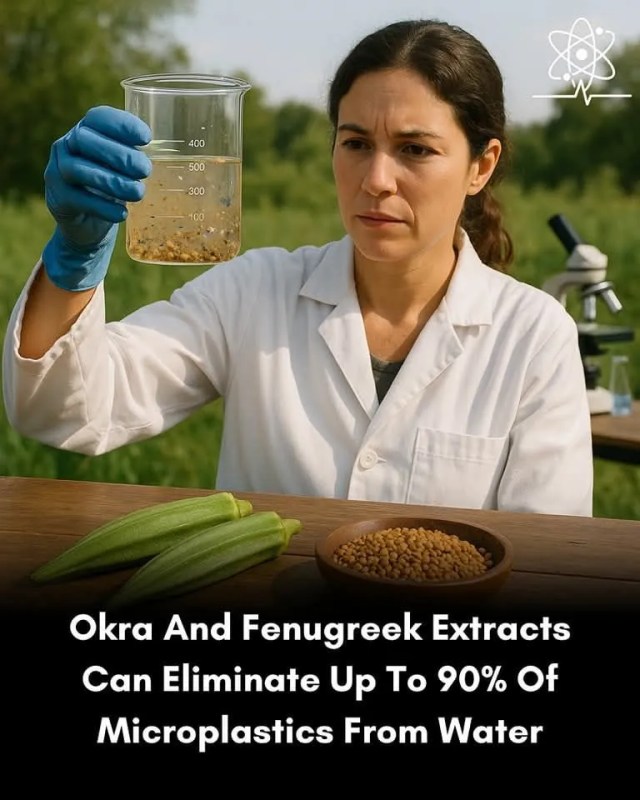
Breakthrough at Texas University as Researchers See Plant Extracts  Remove Microplastics From Water

Researchers from Tarleton State University in Texas have discovered that plant-based extracts, particularly from okra, fenugreek, tamarind, and cactus, can significantly remove microplastics from wastewater.

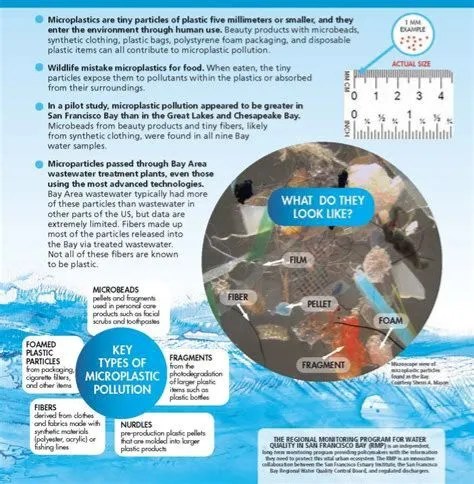
In San Francisco Bay

Some plastics are made to be small. These are known as primary microplastics, like the microbeads intentionally added to face washes and other personal care products. But most microplastics come from the slow disintegration of larger plastic products, including plastic wrap, takeaway containers, polyester clothes, tires, paint, and artificial turf. These are known as secondary microplastics.

Exposure to microplastics can also occur through inhaled air. Data from animal studies have shown that once absorbed, plastic micro- and nanoparticles can distribute to the liver, spleen, heart, lungs, thymus, reproductive organs, kidneys, and even the brain (crosses the blood–brain barrier).

Key highlights:

Okra and fenugreek mucilage (plant-based goo) work by acting as a natural coagulant.

When combined in the correct ratios, they can remove up to 90% of microplastics from water.

Unlike synthetic coagulants (like polyacrylamide), these natural alternatives are non-toxic and environmentally friendly.

The study is part of an effort to find sustainable solutions to the growing problem of microplastic contamination in water bodies.

The extracts are especially effective when removing microplastics from the ocean and freshwater sources.

The lead researcher, Dr. Rajani Srinivasan, emphasized that this approach could make wastewater treatment safer and more eco-friendly, especially in areas lacking access to expensive treatment technology.

Meanwhile, common chemicals found in plastic products—especially phthalates and BPA—have been linked to a significantly increased risk of heart disease.

These chemicals are widely used in items like water bottles, food packaging, and toys. According to research, such exposure may contribute to over 350,000 deaths globally each year due to cardiovascular complications.

Phthalates are known to disrupt hormones, raise blood pressure, and increase the risk of conditions like diabetes and heart failure.

Scientists are urging more regulation and awareness as plastic pollution continues to impact public health.

The good news in this story is that there is continued concentration on solving the single-use plastic problem. Today’s JohnKu talks about hope. I wish you a very peaceful weekend.

Progress by John W. Howell © 2025

There are several ways,

To eliminate problems . . .

Keep hope up on all.

Friday JohnKu- AKA – TGIF – Fri-Yay/Good News


Today’s good news story comes from Twisted Sifter and was sent to me by Noelle Granger.

A New Japanese Invention Called Transparent Paperboard Could Mean Single Use Plastic Waste Will Be A Thing Of The Past

by Kyra Piperides

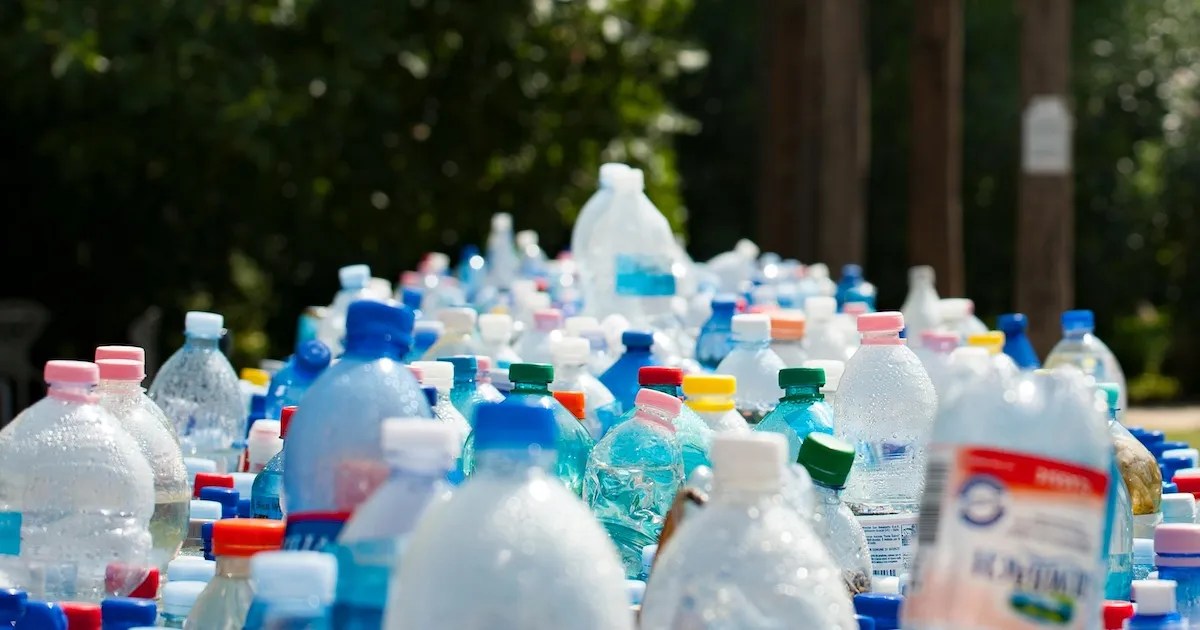
Anyone who has had their heart broken by images of dolphins or sea turtles struggling or even dying because they got tangled up in plastic waste will know exactly why single-use plastics are hated.

Not only are these materials wasteful, they are also highly polluting and difficult to dispose of. If it ever does break down, it can take hundreds or even thousands of years, after which time microplastics still remain.

And what’s worse is the sheer volume of plastic that isn’t properly disposed of, meaning that it often drifts out in our waterways and ends up in our oceans.

It’s no wonder that 99% of the Great Pacific Garbage Patch is comprised of plastic.

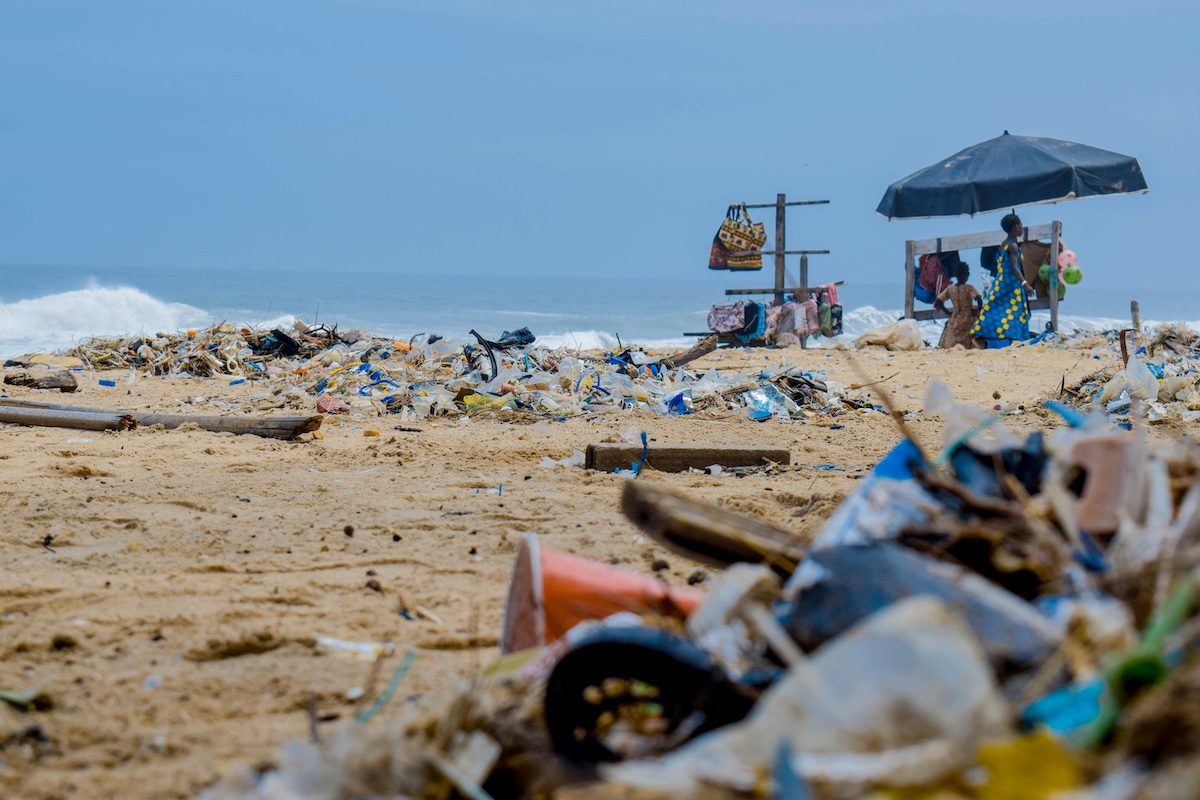
Plastic waste washed up on a beach

Plenty of plastic alternatives have been rolled out, and that’s definitely a good thing.

From paper and cardboard packaging replacing the plastic that has proliferated our stores for decades, to refill stores selling loose items with the ability to fill your own containers, it’s great to see manufacturers and retailers doing their bit to help our planet and its valuable, vulnerable ecosystems.

But there are still some situations in which plastic is needed, for example where liquids are involved. And thus, researchers in Japan have been working on creating viable biodegradable alternatives to plastic in order to fill this gap in the market.

And according to their paper, which has been recently published in the journal Science Advances, they’ve had a breakthrough.

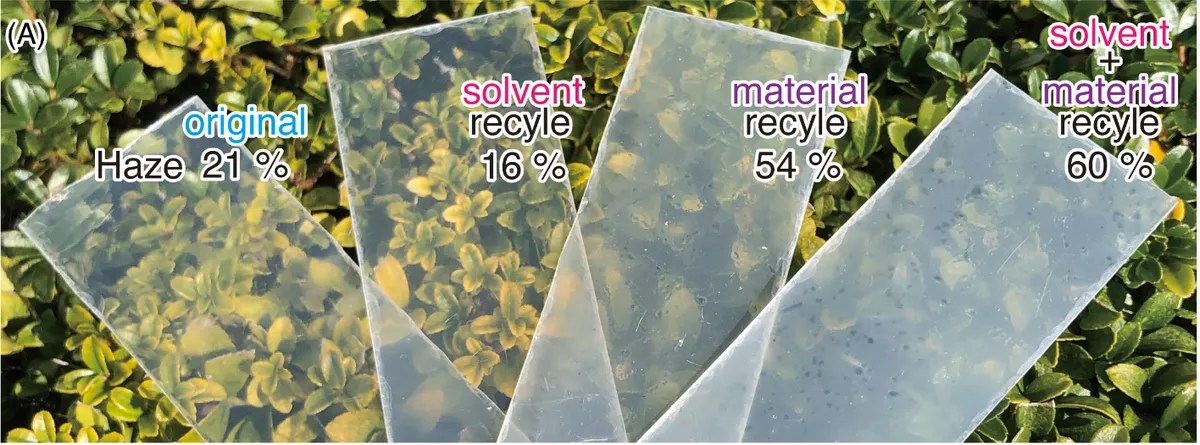
The process of making tPB

Isobe et al/Science Advances

When it came to the creation of their replacement plastic product, the team were driven by the acknowledgement that even with the best intentions, some waste items are still likely to end up in our oceans. As such, they explain in their paper, they created a material suitable for this:

“To mitigate marine pollution from single-use plastics, it is crucial to transition to next-generation commodity materials that are derived from biomass and are recyclable and marine biodegradable even at abyssal depths in case of the accidental release to the ocean.”

Thus the product that they have created – known as transparent paperboard (tPB) – has been proven to fully disintegrate even in the most challenging of aquatic conditions in under a year.

But if this is the case, would it still be effective in holding liquids? Well, as the researchers explain, the transparent paperboard (which, like paper, is made of cellulose from plants) is capable of carrying boiling water for hours without leaking:

“The tPB is made entirely of pristine cellulose and compositionally identical to paper. A cup-shaped tPB can hold just-boiled water without an internal film coating because of its high wet tensile properties and anisotropic thermal properties.”

And with a thin coating, this transparent material can hold all kinds of liquids for even longer.

Recycled tPB showing its transparency declining

Isobe et al/Science Advances

The real cherry on top of their sustainable product is the fact that the product not only breaks down into harmless molecules in water, but that it is fully recyclable too:

“The spent tPB is material recyclable in a closed system, where all chemicals and water are also recyclable. Furthermore, the marine biodegradability of tPB across shallow to abyssal depths is confirmed by on-site degradation tests and metagenomic analyses. Hence, tPB is expected to serve as a key fully circular commodity material in sustainable societies of the future.”

There is one small downside to the recycling of tPB, and that is that the recycled material is a little less transparent that its predecessor.

But in a world in which our climate and all of our most vital ecosystems are at risk, is fully clear packaging really a priority?

Thanks to the hard work of this team, for whom further testing is underway, we might be a whole lot closer to being free from single-use plastics forever.

The good news in this story is that there is more work being done to eliminate single use plastics. Today’s John Ku looks forward to the day when single use plastics are a thing of the past. I hope you have a beautiful weekend.

Single Use by John W. Howell ©2025

Imagine the sea,

With no plastic any where . . .

Healthy is the norm.


Friday JohnKu – AKA -TGIF – Fri-Yay/Good News

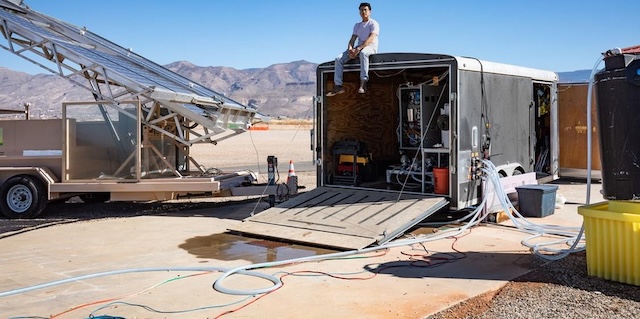
Co-inventor Jon Bessette sits atop a trailer housing the electrodialysis desalination system – credit Shane Pratt, via MIT Press


Today’s good news story comes from the Good News Network.

Hyper Efficient Solar-Powered Desalination System Requires No Extra Batteries to Purify Groundwater

An engineering team from MIT has designed a solar-powered groundwater desalination device that could supply over 1,000 gallons per day and doesn’t require batteries.

Envisioned as a way to provide water to communities whose groundwater is too brackish to drink, the device’s real trick is adjusting its desalination activity in response to the amount of solar power it produces.

Multiple times every second, the central control module takes readings of the strength of the sunlight and pumps correspondingly more or less water through the electrodialysis membrane stack. This innovation allows the whole package to skip the necessity for battery storage for times when the panels are producing more energy than the system is using.

No batteries means much lower costs and shipping weight, making it ideal for rural communities in arid parts of the Global South or southern United States with ample yearly sunshine and brackish groundwater.

Electrodialysis is one of two methods for desalinating water, with the other being reverse osmosis. Both have drawbacks at both the micro and macro scale, and in the case of electrodialysis, it requires electricity, which is typically produced by fossil fuels. Renewables have replaced them before, but challenges persist.

“The majority of the population actually lives far enough from the coast that seawater desalination could never reach them. They consequently rely heavily on groundwater, especially in remote, low-income regions,” says Jonathan Bessette, MIT PhD student in mechanical engineering and co-author on the project.

“[U]nfortunately, this groundwater is becoming more and more saline due to climate change. This technology could bring sustainable, affordable clean water to under-reached places around the world.”

For Bessette and the team behind the invention, their biggest challenge was establishing feedback mechanisms in the system that were sharp enough to detect minute changes in sunlight, for example, if a whisp of cloud passes by.

Over months of testing and improvements, their “flow command-current control” module gradually reached the point at which 94% of the solar power generated by the panels was utilized immediately to pump water through the desalination system without any lag and any transfer of power to a battery.

During a 6-month field trial at the Brackish Groundwater National Desalination Research Facility in Alamogordo, New Mexico, the system produced 5,000 liters of water per day despite large swings in weather and available sunlight.

“Conventional desalination technologies require steady power and need battery storage to smooth out a variable power source like solar,” explains Amos Winter, a decorated professor of mechanical engineering at MIT. “Being able to make drinking water with renewables, without requiring battery storage, is a massive grand challenge. And we’ve done it.”

Amos and Bessette are now looking to form a company to develop the technology into a product to help water-stressed communities worldwide.

The good news about this story is that fresh water can be made without using fossil fuels. Today’s JohnKu talks about chipping away at innovation. I hope you have a wonderful weekend.

Perseverance by John W. Howell © 2025

Big problems exist,

Continued working on them . . .

produces results.

Friday JohnKu – AKA – TGIF – Fri-Yay/Good News

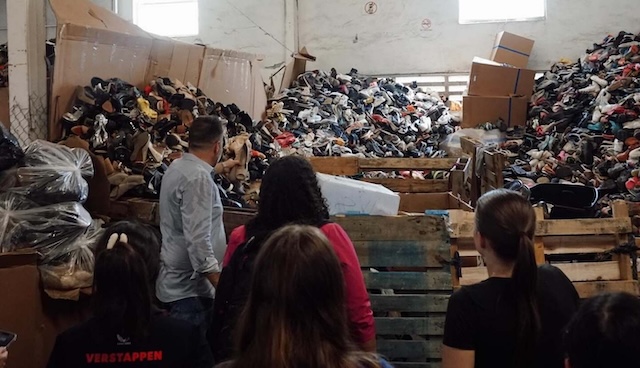
Sneaker Impact’s Miami location with shoes piled up – credit Sneaker Impact


Today’s good news comes from the Good News Network.

Unique Miami Recycling Company Gives Discarded Shoes New Traction

In Miami’s Little Haiti neighborhood, a local business sorts through thousands of donated sneakers to decide the best way to keep them out of landfills.

Whether pristine or worn out, each pair will have a future either as recycled material or with a new owner who will appreciate and continue to use them.

Sneaker Impact was founded by a man seeking a more environmentally friendly way to do business, and second-hand shoes is a good gig—the only competition is the landfill. Americans will own an average of 250 pairs of shoes in a lifetime, and that is unfortunately where many will end up.

“It’s all about accountability, sending the right product to the right market,” Sneaker Impact founder and CEO Moe Hachem told CBS News. “Sneakers are a necessity in the developing world. They are a form of transportation.”

Sneaker Impact receives around 1 million pairs of shoes annually through volunteer partners like running clubs, meaning that the cost to secure raw materials is virtually reduced to the labor of retrieving and sorting them.

Once in the Little Haiti facility, they are grouped together according to various criteria and stuffed into bags in orders of 200 to be sent around the world for resale.

“You’re not only reducing waste here at home, you are creating microbusiness opportunities in a developing country,” Hachem said.

Those that are condemned are shredded and sorted into foam and fabric, which are then sold as raw materials where they could be used to make carpet mats, floor mats, etc.

Sneaker Impact sells a gym sandal that’s made of 85% sneaker foam, a durable, flexible, and weather-resistant material that seems fragile because of the intense job it’s asked to do: namely, pound the pavement for hours at a time every week.

Watch the story here.

The good news is that waste is turned into useful products for those less fortunate. Today’s JohnKu talks about recycling. I hope you have a grand weekend.

Need by John W. Howell © 2025

Matching need with waste,

Is a form of useful grace. . .

Bless those who do it.

Friday JohnKu – AKA – TGIF – Fri-Yay/Good News

Today’s good news story comes from the blog #PassItOn. 

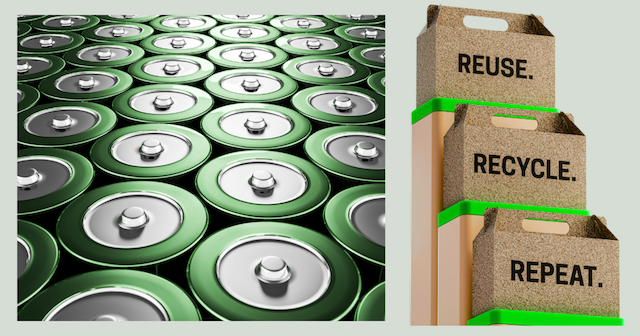
photo from #PassItOn

It was sent to me by Monika, the head rancher at Tales Around the Ranch blog

Teen Helps Keep 655,000 Batteries Out of Landfills.

May 13, 2025 by By Cathy Stack

EDISON, New Jersey—A 10-year-old started a nationwide movement with a campaign to keep discarded batteries out of landfills.

After watching the news with his family and seeing a waste disposal plant fire that had been caused by a lithium-ion battery, Sri Nihal Tammana decided to do some research. He learned that people discard 15 billion batteries each year, and most end up in landfills. These batteries can create toxic chemical pollution and dangerous fires.

Motivated to tackle the environmental hazard, Sri Nihal began collecting batteries in his neighborhood. After recruiting volunteers to help, the effort soon laid the groundwork for developing a full-scale non-profit program.

When Sri Nihal began his environmental movement, he collected the batteries and then took them to a retail store that offered a recycling program. To his disappointment, the store notified him that he would have to discontinue his effort due to the bin’s limited capacity.

Determined to continue the program, Sri Nihal contacted Call2Recycle to form a partnership. Call2Recycle agreed to provide free, fire-proof recycling bins for school libraries and various business offices. Encouraged, Sri Nihal then contacted his school district’s superintendent for permission to place the bins in the school district’s 19 schools, which he received. Then he recruited students to volunteer their time to distribute the bins.

The program has now evolved into a non-profit organization, Recycle My Battery, which installs the battery recycling bins in strategic public places. To date, nearly 655,000 batteries have been deposited in these bins and kept out of landfills. The organization also educates millions about the importance of preventing environmental harm by recycling batteries.

“If I can make Earth a better place to live, you can!” encourages Sri Nihal. “If you can make Earth a better place to live, we all can!”

Battery recycling provides several environmental benefits. Keeping batteries out of landfills prevents harmful elements and chemicals, such as mercury and lead, from seeping into groundwater. Recycling these materials also conserves natural resources, which helps prevent further pollution from extraction processes. It also aids in the prevention of dangerous fires.

Recycle My Battery has grown to a team of 900 passionate student volunteers. There are 1,000 bins in schools, libraries, and businesses nationwide.

Students can start a school-based battery recycling challenge by signing up on the Recycle My Battery website. Individuals can also visit the website to request a battery recycling bin or to start a chapter in their own community.

“Earth gives us so much – oxygen, food, water – everything!”– so it’s important that we give something back when we can,” Sri Nihal said.

In 2022, Sri Nihal received the CNN Heroes Young Wonder Award for his work creating Recycle My Battery.

Now 16, he continues to spread the movement. Through media news outlets, school programs and corporate workshops, he increases public awareness about the program and its impact on the environment. He has delivered two TED talks in which he discusses the hazards of battery waste and solutions to address the problem. He and his team also set a Guinness World Record for laying out the longest line of batteries.

“Through education, innovation, and advocacy, I aim to mobilize millions more changemakers and ensure a cleaner, safer planet for future generations—one battery at a time,” said Sri Nihal.

The Foundation and PassItOn believe that Sri Nihal is a hero. His inspiring action is a great example of making a difference. His work provides a powerful reminder that through passion, dedication, and action, we can all make a positive change in the world.

Here is a link to learn more about this effort.

The good news is that a youngster started a movement to help reduce waste. The reason this is good news is recycled batteries are processed to recover valuable materials, including metals and plastics, which are then reused in new products, including new batteries. The process typically involves shredding, sorting, and then either melting or dissolving the components for materials recovery.  Today’s JohnKu talks about involvement. I hope you have a great weekend. Thanks again for this inspiring story, Monika.

Action by John W. Howell © 2025

Some curse the darkness,

Others take action for light . . .

Which side are we on?