Top Ten Things Not to Do at the First Live Radio Broadcast of an American Football Game.

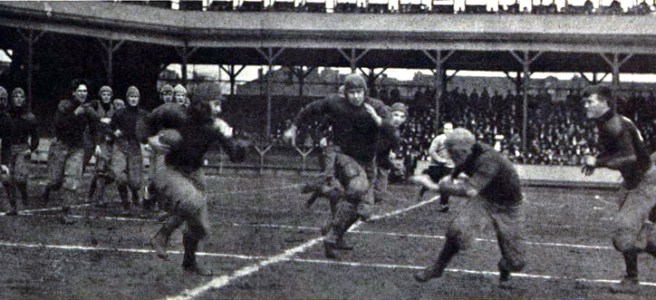
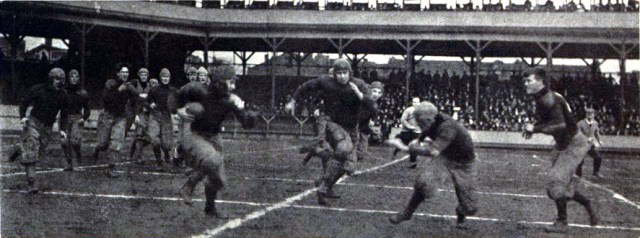
Image – Wikipedia – Backyard Brawl 1908

This week marks the anniversary of the first live radio broadcast of a football game in 1921. The game was played at Forbes Field in Pittsburgh. Harold W. Arlin of radio station KDKA announced the game. The University of Pittsburgh Panthers beat the West Virginia University Mountaineers 21 to 13. (Not much has changed there. This rivalry began in 1895, and so far, the University of Pittsburgh has won the meeting more times than West Virginia University. It is called the Back Yard Brawl because the two schools are only 70 miles apart.) I think we ought to go to the game rather than listen on the radio. Well, bring the radio along too. It might be fun to see how close the announcer’s description is to the real action. As usual, there are rules to follow, so we don’t create a tear in the time continuum. Take this list with you. This list first ran on October 7, 2019

Top Ten Things Not to Do at the First Live Radio Broadcast of an American Football Game.

10 If you are at the game, do not think you can listen to the broadcast on streaming audio via Spotify. If you do, at best, those around you will be too interested in the game to notice your cell phone. At worst, the usher will spot your phone and ask you to follow him. (For heaven’s sake, Jacquez, don’t go. You really want to explain that you are from the year 2026? They’ll have a padded room reserved for you.)

9 If you are at the game, do not tell Tiny the WWF Champ and hot dog vendor that his hot dogs are old. If you do, at best, he will think you said “cold” and laugh at the joke. At worst, Tiny, who just left his self-esteem support group, will think you are criticizing him. (No matter what you say, Jad, you are in for an overhead pinwheel and body toss just as if you were in the ring. The landing on the bleachers, however, won’t be as soft.)

8 If you are at the game, do not wear your Mountaineer coon-skin cap while sitting in the Pitt section. If you do, at best, a kindly person behind you will ask you to remove it. At worst, a not-so-kindly person behind you will remove it. (There you have it, Jadrein. Your hat is back and filled with who knows what liquid. No, don’t drink out of your hat, you idiot. You have no idea what that is, even though it looks like beer.)

7 If you are at the game, do not suggest to the fans to burn a sofa when they get home to Morgantown. If you do, at best, WVU is ahead at the time. At worst, the fan will think you are a Pitt fan. (You see, Jael, WVU fans only burn sofas when they win. That big guy with the red eyes and WVU shirt thinks you are mocking him.)

6 If you are at the game, do not suggest to the Pitt fans that the game be played next year in Morgantown. If you do, at best, they will laugh at your joke. At worst, they will think you are a WVU fan. (The first game of the rivalry was not played in Morgantown until 1963. Is it any wonder these Pitt fans are now crowd surfing you to the exit, Jafari?)

5 If you are at the game, do not bring your Mountaineer musket into the stands. If you do, at best, most of the fans will clear out. At worst, you will come face to face with several Pitt fans all dressed as panthers. (What are you going to do now, Jagmeet? The way they are growling, they seem to be serious.)

4 If you are at the game, do not tease Roc the panther. If you do, at best, Roc will be used to it. At worst, Roc has made up his mind to bite the twelfth person who teases him. (Not-so-good news, Jahi. The eleventh just left.)

3 If you are at the game, do not sing the WVU fight song if you don’t know the words. If you do, at best, the noise will drown you out. At worst, your fellow WVU fans will realize you are different. ( Lucky for you, Jahnu, you now get to see the game from the parking lot.)

2 If you are at the game, do not try to find a plug for that old Philco radio. If you do, at best, you burn a lot of calories. At worst, someone will eventually come to believe you stole the radio. (Hauling it up and down the stadium stairs made you look very much out of place, Jair. Maybe you should just park it in the clubhouse. Wait, there’s a plug.)

1 If you are at the game, do not start quoting stats of the various players. If you do, at best, people will move away from you. At worst, they will think you are from a different planet. (In the 20s, hardly anyone paid attention to the stats, Jaison. It was a matter of win or lose. All those yards gained rushing and passing, as well as turnovers, were blurred by actually watching the game instead of a talking head.)

Views of the Neighborhood – Lakeway Celebrates Hispanic Heritage Month

Today we are heading to the City Hall Park in Lakeway to check out the Hispanic Heritage Story Walk. The Guest House of Austin is catering for us. Our entertainment is Herb Alpert.

Menu

Seafood Plateau – chilled | hot | king crab | roasted bay scallops | oysters | clams

Chicken Parmesan a la Rao – fresh mozzarella | spicy pomodoro | pistachio pesto

Seasonal Squash Risotto – rosemary | seasonal vegetables | aged parmesan

Faroe Island Salmon – beech mushrooms | brown butter

Branzino – sea water | caviar velouté sauce | blood lemon

Maine Diver Wild Scallops – caramelized onion | purple mousse | aioli

Free Range Berkshire Pork Chop – caramelized fennel | pork jus | black fig | lemons

The Original 100 Dollar Cheesesteak

Braised Short Rib – carrots | onion roast | pea shoots

Shepherd’s Farm Lamb Chops – heirloom potatoes | baked cheremola | lemon | labneh

Picture of an old time school bus

Let’s go.

A word about the photos. The walk has 27 stops. Today we will view 15, and next week the balance. The placards are behind glass, so even on a dull day, the trees cast serious reflections. The solution is a large black cloth held behind me as I photograph. Unfortunately, that requires someone to hold the cloth. Twiggy, Tempeste, and The Producer were busy when it was time for the photo shoot. I cropped and edited the photos to make them easier to read. You can enlarge the photos for easier reading. Not perfect, but I hope you enjoy.

There is the sign.

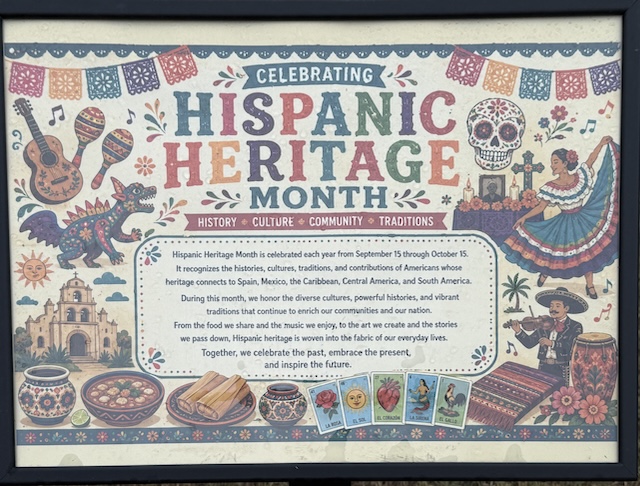
An introduction to Hispanic Heritage Month.

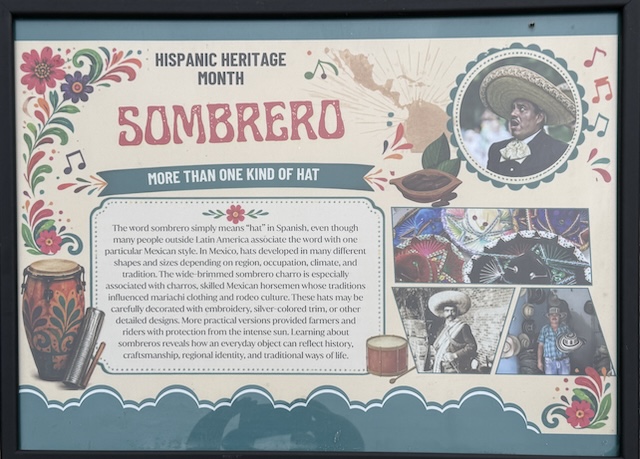
The Sombrero.

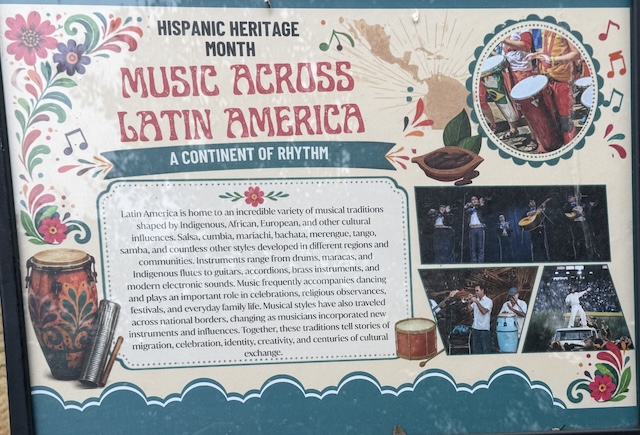
Music.

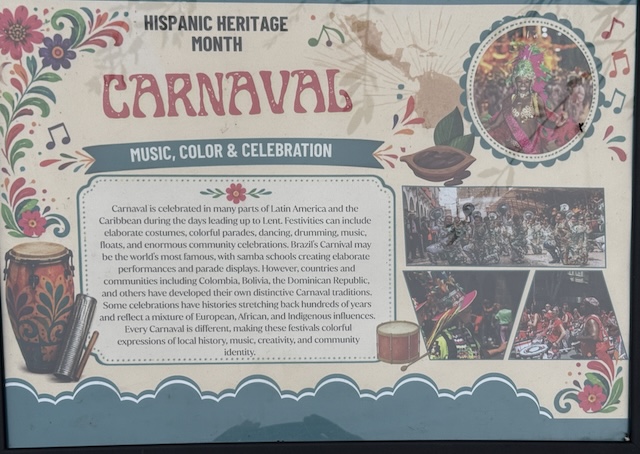
Carnaval.

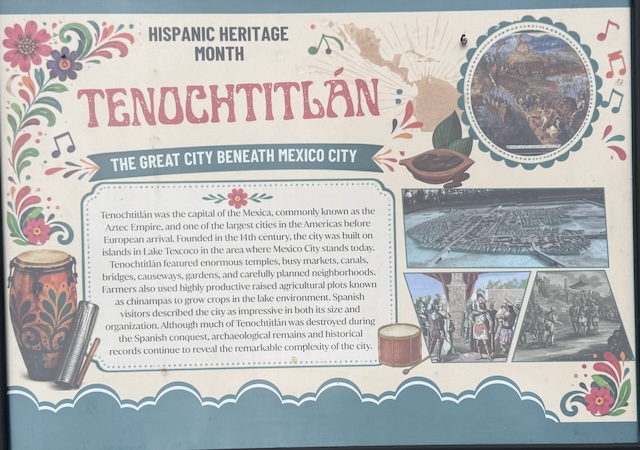
The Aztec city of Tenochtitlán.

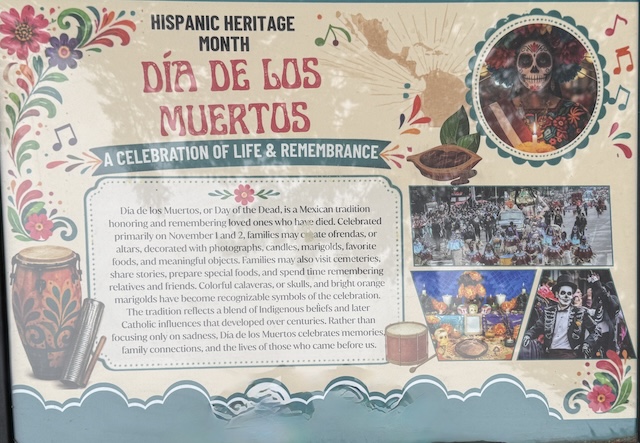
Day of the Dead.

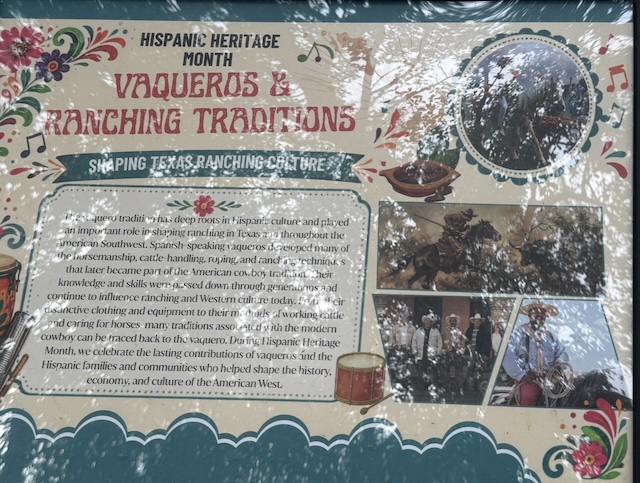
Texas Ranching and cowboy background.

Mural art.

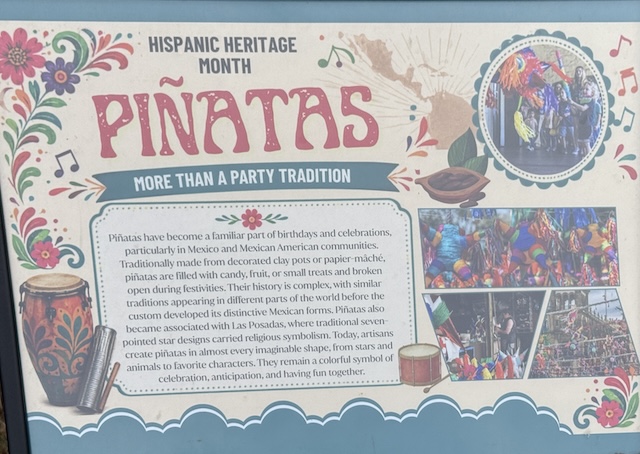
Piñatas.

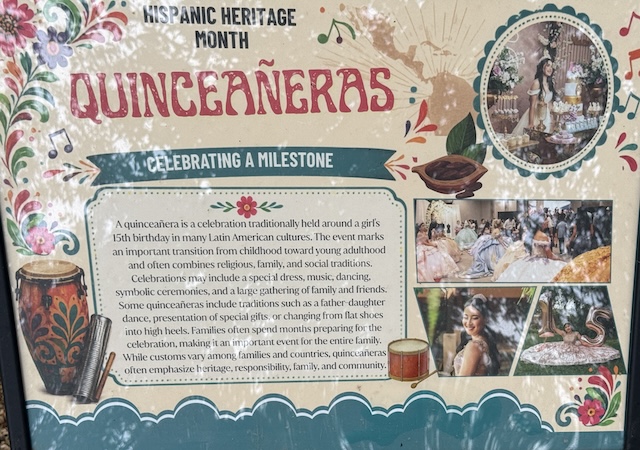
Quinceañeras – A coming-of-age celebration.

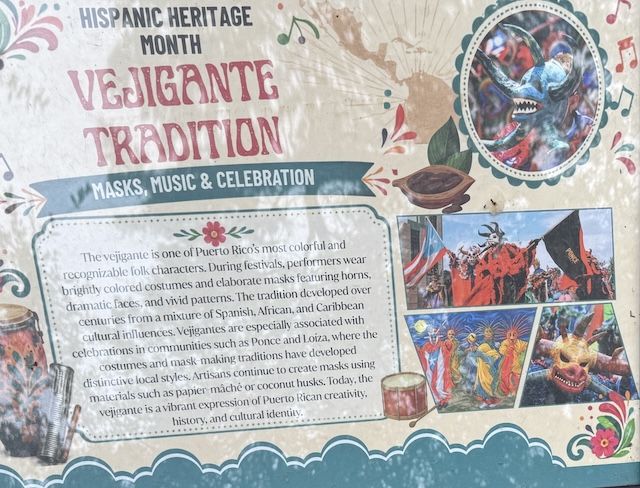
Puerto Rico’s mask traditions.

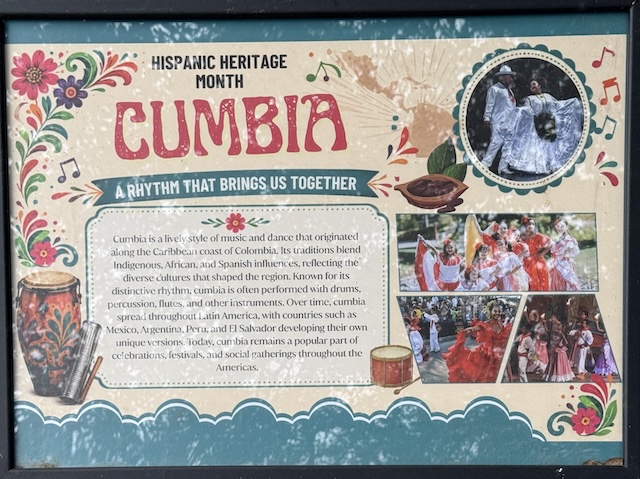
Music rhythm.

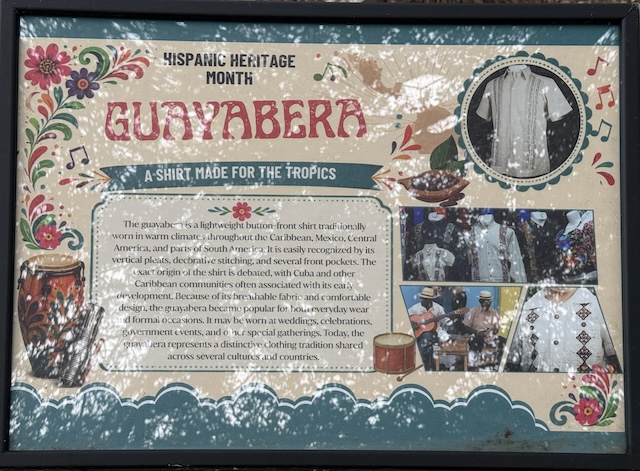
Guatabera shirt.

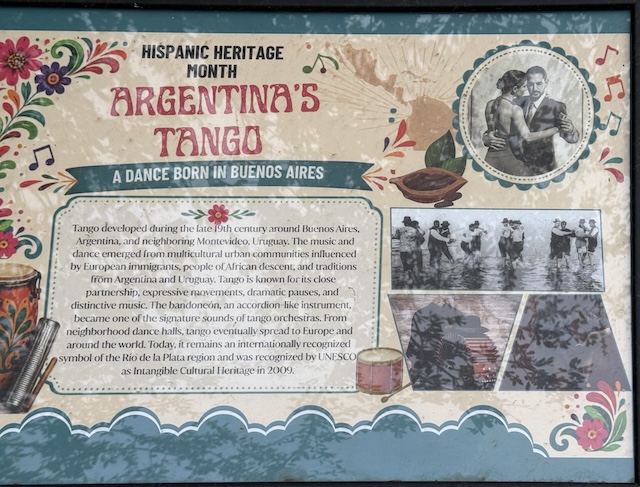
The Tango.

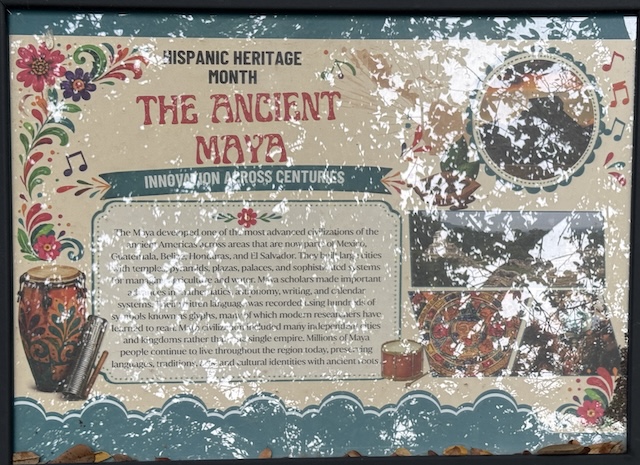
Ancient Maya.

Well, that’s it for today. Time to enjoy the music and food. I hope you have a super week.


Stream of Consciousness Saturday – Prompt – “Breeze”

A picture of a string with drops of water- the logo for SoCS


The cup of coffee was delivered in a breeze. No funny messages, no pout, no workplace demands, just a double cup of coffee. The first sip brings calm to the Berlin Symphony Orchestra playing the Anvil Chorus in my brain from dangerously low caffeine levels. The second sip (wait for it) is accompanied by the cacophony of the doorbell, Westminster chimes, and the baying of the Hounds of Baskerville by Twiggy and Tempeste. A quick toss of a knucklebone into the soundproof room and a door slam brings peace like Björk singing “It’s Oh So Quiet” on the soft parts.

A glance at the monitor shows Winnie the Pooh standing on the porch with an envelope and clipboard. Knowing conversation is impossible, the security shutdown process begins with a sigh.

The B-2 bomber squadron and the F-35 escort must be called off. One call does it. The tank corps and gunboats are told to stand by. The Apache helicopters are rerouted. The electric shock fence is turned off. The drawbridge over the quicksand is lowered. The robot attack dogs returned to their charging station. The laser-guided machine guns on the roof are set to caution. The nest filled with rattlesnakes put away. The bucket filled with 1000 marbles is locked down. The tear gas canisters shut off. The electrified welcome mat set to off. The fall-away sidewalk into the pit filled with spikes is locked. The hornet’s nest closed. The water cannons are set to safety. Bear traps are set to off. Peregrine Falcons perched on the roof above front door fed. The vat of boiling oil set to warm.  Monty Python’s Harmless Little Rabbit’s cage is closed. The front door is opened.

The clipboard is returned after signing, with a fiver attached. Winnie’s smile let me know Clarabell is happy with the tip. Closing the front door, the envelope contains a letter from Linda Hill. It reads:

Your Friday prompt for Stream of Consciousness Saturday is “breeze.” Use it any way you’d like. Have fun!

To see what others have done with the prompt, visit Linda’s post. Here is the link:

https://lindaghill.com/2026/10/02/the-friday-reminder-and-prompt-for-socs-october-3-2026/

Breeze by John W. Howell © 2026

“Winnie the Pooh?”

“That’s who it was.”

“Too bad Christopher Robin didn’t show up.”

“Why’s that?”

“We could breeze through a lesson or two.”

“On positivity?”

“Or honey consumption.”

“That should be spelled hunny.”

“Okay, you got me.”

“Speaking of honey.”

“Uber is over there.”

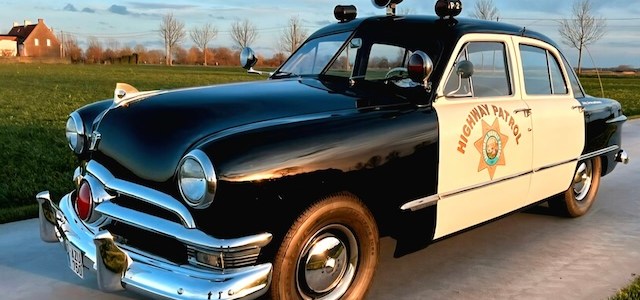
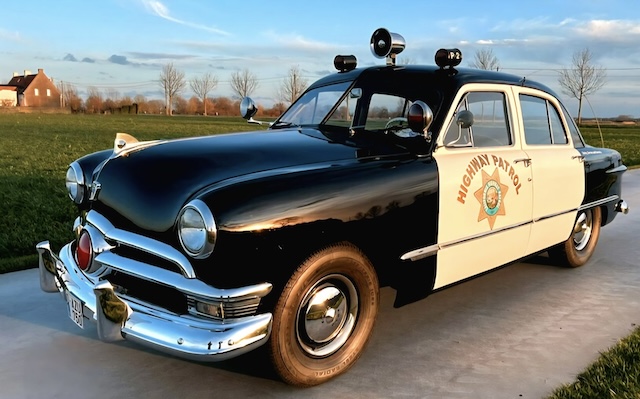
Image courtesy of Tom Okragly

“What the heck?”

“It’s a 1950 Ford Highway Patrol cruiser.”

“I can see that. This one has plenty of room, so there must be a big catch.”

“Just a small one. We have to drive Broadrick Crawford to the set of the Highway Patrol TV series.”

“That actually sounds fun.”

“10-04.”

“Okay, let’s go. Wait a minute. That series ended in 1959.”

“Since when are you averse to a little time travel?”

“Since I would like to get to the pub for a Voodoo Ranger without being caught in some time continuum glitch.”

“I guess that could happen.”

“Okay, so do we need a different Uber?”

“No. We’ll skip the filming.”

“Thank you.”


Friday JohnKu – AKA – TGIF – Fri-Yay/Good News


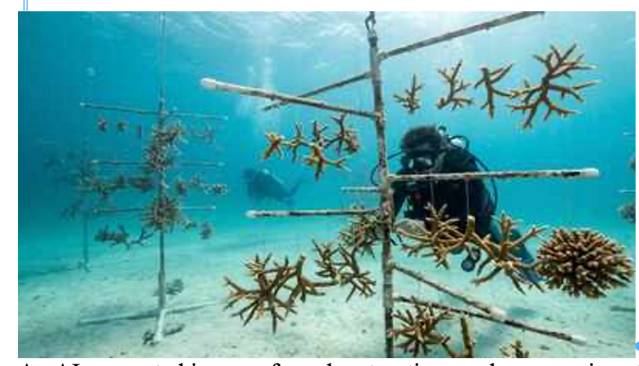
An AI-generated image of coral restoration workers growing staghorn coral fragments on underwater “coral trees” in a nursery in the Florida Keys. Credits – Google Gemini

Today’s good news story comes from the India Times and was sent by Noelle Granger. Thanks Noelle

Around 2000, a Florida tropical-fish collector hung rescued coral fragments from underwater “trees”; the small nursery grew into a reef-restoration network

Both the deterioration of the Florida Keys reef and the response to it took time. Staghorn and elkhorn corals grew so numerous throughout the Florida Reef Tract for decades that divers reported swimming through underwater thickets. These corals were dying back because of disease, bleaching, and storm damage, and in some places their populations had dropped by almost 90%. It took more than good intentions to mend that kind of loss.

The breakthrough grew from a father-daughter 4-H project that built on Nedimyer’s years of experience working with marine life and aquaculture. A family project among the reef fish. Ken Nedimyer is a tropical fish collector and aquaculture operator based in the Florida Keys. He’s been diving those reefs since he was a kid and has witnessed them change for the worse over the years. Around 2000, when his daughter had a 4-H Youth Development project, Nedimyer used his marine-life experience to help her experiment with coral propagation. Together, they began growing staghorn coral fragments that had broken from nearby reefs. They began propagating staghorn coral fragments, keeping pieces that had broken from nearby reefs alive rather than leaving them to die on the seafloor.

The small experiment went well enough that Nedimyer donated the propagated staghorn to the Florida Keys National Marine Sanctuary for restoration use, and a grant from The Nature Conservancy soon followed, allowing him to expand what had started out as a backyard hobby into something closer to a proper coral nursery. That early achievement posed a specific question. If a few saved bits could grow this nicely by chance, how many more could grow on purpose, and how quickly? Building coral tree nurseries that outgrow the ocean floor. In 2007, Nedimyer founded the Coral Restoration Foundation in Key Largo, where his team developed offshore nurseries that suspended coral fragments from structures known as coral trees rather than growing them directly on the seafloor.

Branching corals developed in this fashion and grew far faster than those left on the reef. Corals reportedly grew from a finger-sized fragment to a basketball-sized colony in six to nine months. At that point, divers would cut parts free and reattach them to neighboring deteriorated reef sites. That speed changed the economics of reef coral regrowth. Rather than waiting years for a few colonies to recover on their own, restoration teams could grow corals in offshore nurseries and then outplant them onto degraded reefs once they were large enough.

A  study tracking Coral Restoration Foundation outplanting projects between 2007 and 2015 recorded survivorship and growth across 2,419 coral colonies placed on reefs throughout the sanctuary. It found that survivorship among the longest-monitored cohorts ranged from as low as 4 percent to as high as 89 percent, depending on the site and conditions. That range mattered because it gave restoration groups in the Caribbean and Pacific real-world evidence to build on instead of guesswork about which reef sites and outplanting techniques worked best.

An AI-generated image shows a diver securing a staghorn coral fragment to an underwater nursery structure, where it can grow before being transplanted to a damaged reef. Credits – Google Gemini

From one nursery to a global reef restoration movement. The strategy became better known as the work expanded. In 2012, CNN named Nedimyer a CNN Hero for his coral-restoration efforts. By 2022, the Coral Restoration Foundation had planted more than 200,000 corals, according to NPR, and restored colonies at sites such as Carysfort Reef had begun reproducing naturally. That reproduction offered evidence that nursery-grown corals could become part of functioning reef communities rather than remaining isolated restoration plots. The Coral Restoration Foundation also publishes further detail on that ongoing restoration work.

This approach matters beyond replacing individual coral colonies. Staghorn and elkhorn corals create branching habitat that provides shelter and nursery space for fish and other reef animals, so restoring living coral can also help rebuild parts of the wider reef community. Nursery systems also give restoration teams a controlled place to grow genetically diverse colonies before placing them back onto damaged reefs, where survival can vary sharply with local conditions. That makes coral restoration as much a process of testing as planting: teams can compare sites, monitor which colonies persist, and adapt their methods over time. In the Florida Keys, the coral trees therefore became more than a way to grow fragments faster. They became a practical bridge between small-scale coral propagation and large-scale reef restoration.

Later, Nedimyer helped manage Reef Renewal International, an institution that has since spread the coral tree model far beyond Florida, supporting nurseries in Bonaire, Curaçao, Saint Vincent, the Cayman Islands, Hawaii, French Polynesia, and Australia. What started as a few pieces of coral hanging from his dock in the Florida Keys is now a routine technique at reef-restoration sites in three oceans, the result of a project launched because a teenager needed something to turn in for school.

The good news is that one person created a process that will save thousands of corals. Today’s JohnKu talks about individual effort. I hope you have a wonderful weekend.

Just One by John W. Howell ©2026

To accomplish much,

Takes just one with a passion . . .

The rest will follow.


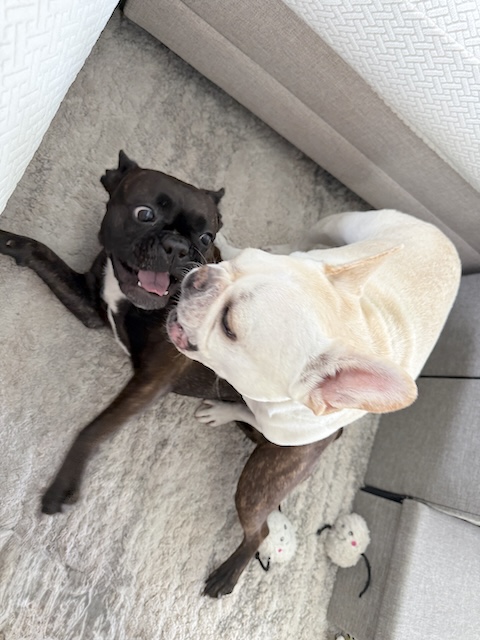
Thursday – A Little Personal – Twiggy and Tempeste Inside

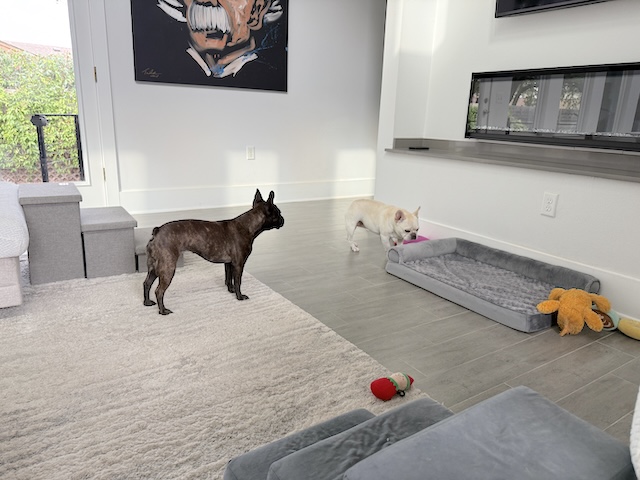
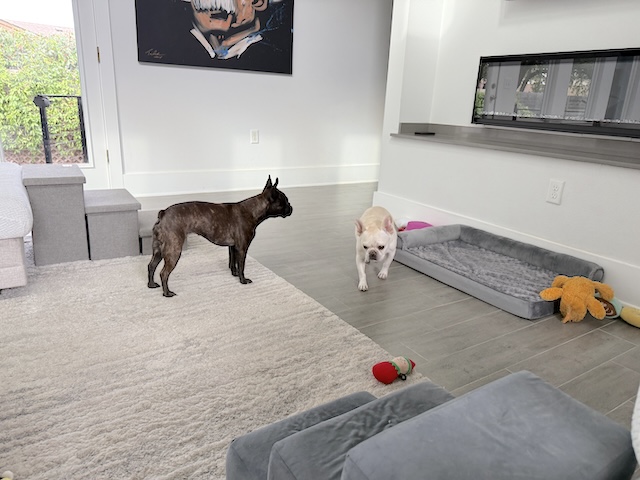
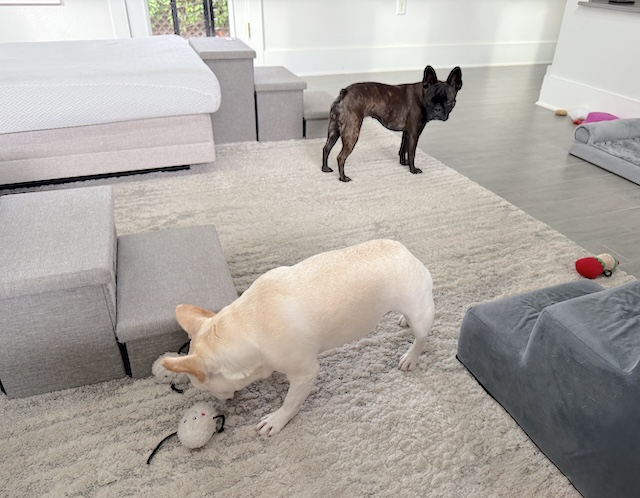
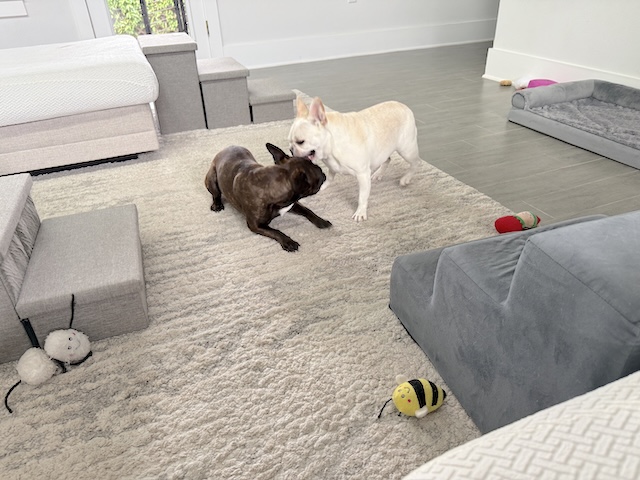
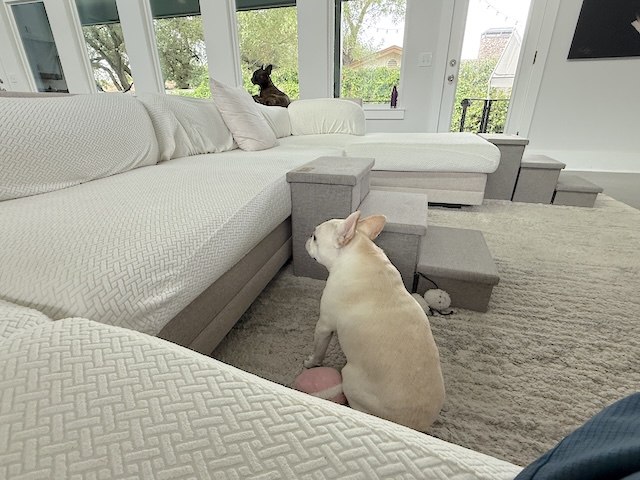
“So, Twiggy, what are you going to play with?”

“Not sure. This pizza box looks fun.”

“I guess not, huh?”

“No. I’m going to take a look over there.”

“You going after marshmallows again?”

“Yeah, you are right. I’ve about outplayed these.”

“Look at you. You’ve got a macaroon.”

“Um hum. This is a tasty one.”

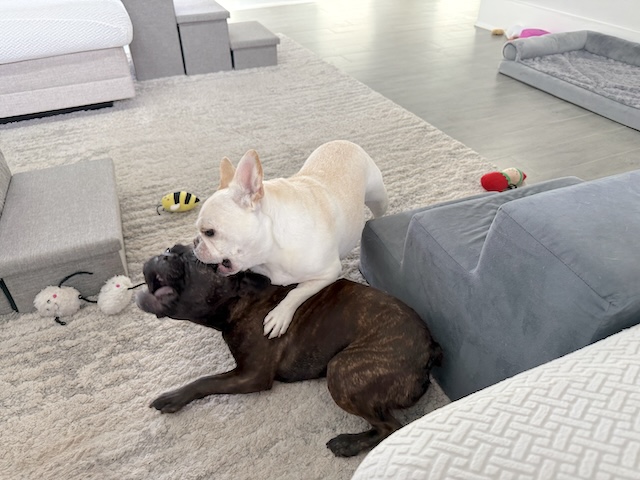
“The panther sees the puma has some game.”

“The puma says, ‘Don’t even think about taking it'”

“A ferocious growl will show the puma who’s boss.”

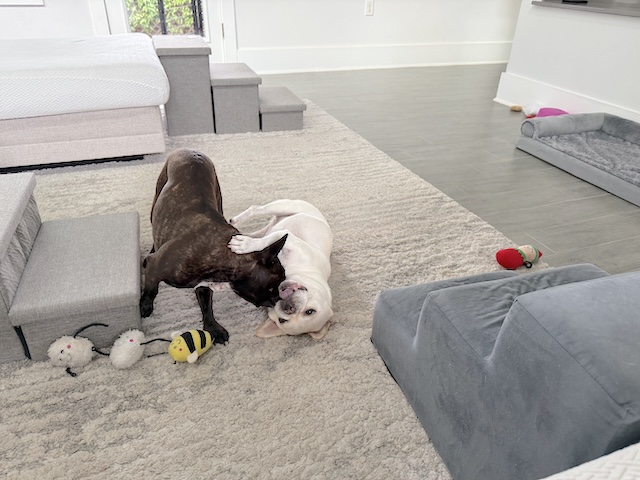
“The puma ignores the stupid panther and keeps the game to hide.”

“The panther steps in to grab the game.”

“The puma does the classic sleight of hand and is now ready for the kill.”

“The panther has to think fast or concede.”

“The puma executes the famous ear hold.”

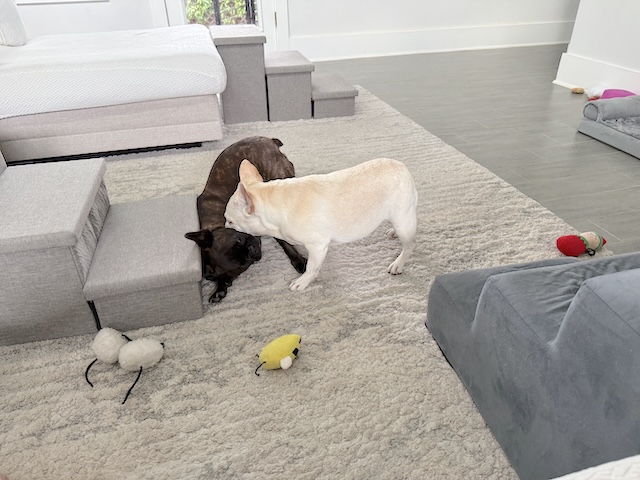
The panther slips away and goes for the throat.”

“The puma tries hard not to laugh since that is a ticklish spot.”

“The panther cannot help but laugh as well.”

“The puma calls for a time-out.”

“The panther says no dice.”

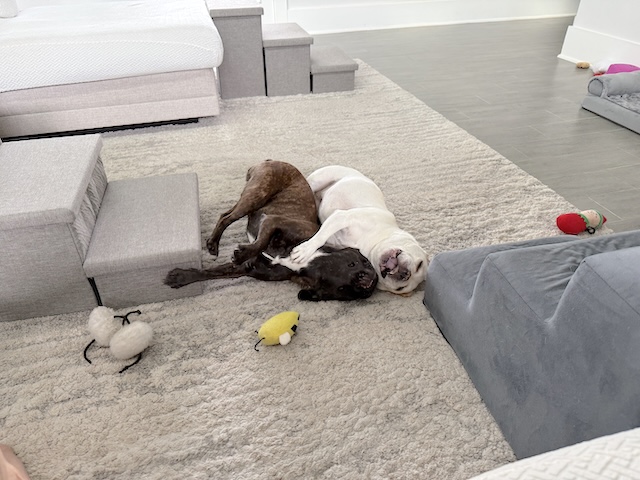
“The puma does the classic neck. hold.”

The panther goes to the air and shakes off the hold.”

“The puma follows the panther up there.”

The panther says, ‘Let’s call it a draw.'”

“The puma agrees.”

“Where did the sun go?”

“They are calling for rain.”

“Gosh, that changed fast.”

Texas is like that.”

Tuesday – Anything possible – Finger Point Prompt – “Responsible”

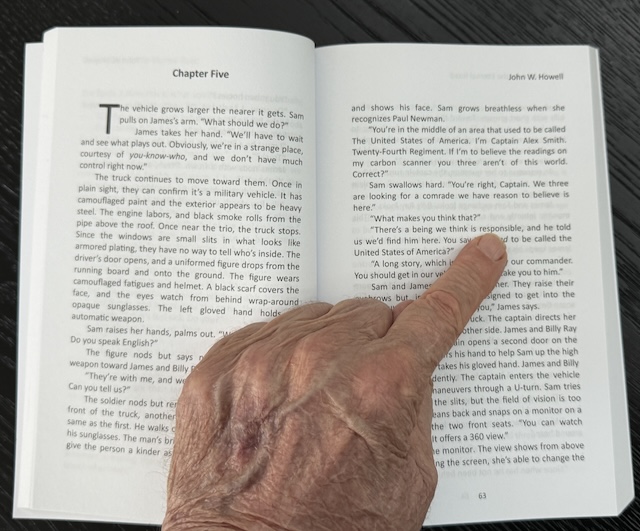
Today, I randomly opened Detour on the Eternal Road to page 63 and, with my eyes closed, pointed to the page. The word nearest my finger was “responsible.” That is our prompt today.

Responsible by John W. Howell © 2026

“All right. Who do you think is responsible for this mess, Jackson?”

“You think someone is going to own up to this?”

“They’d better, if they know what’s good for them.”

“I think you are dreaming if you think someone will step forward.”

“Well, let’s just see, shall we. Johnson.”

“Yes, sir.”

“What do you know about this mess?”

“Nothing, sir.”

“You sure?”

” Yes, sir. I am.”

“Baker.”

“Yes, sergeant.”

“What do you know?”

“Nothing, sir.”

“Figures. You covering for someone?”

“No,o sir. I just got here, sir.”

“Wier.”

“Ye,s sir.”

“How about you?”

“All I know is the call went out to gather here. By the time I got here, this mess was already made.”

“This was supposed to be our lunch. Johnson.”

“Ye,s sir.”

“Who else was here besides you three?”

“I hate to say this, Sarge, but a few gulls were flying away when I got here.”

“Gulls?”

“Yes, sir.”

“Didn’t I tell you to watch our lunch while I got a few more fish?”

“They were so quick, sir.”

“You are an ospre,y for heaven’s sake. You could have taken them out.”

“Gulls are nasty, sir.”

“I’m not saying eat them. You could have scared them away.”

“Next time, sir.”

“You three go get more fish. I’ll stay here with Jackson and guard the one left. Now go.”

Top Ten Things Not to Do at the First Hot Air Balloon Launch in 1783.

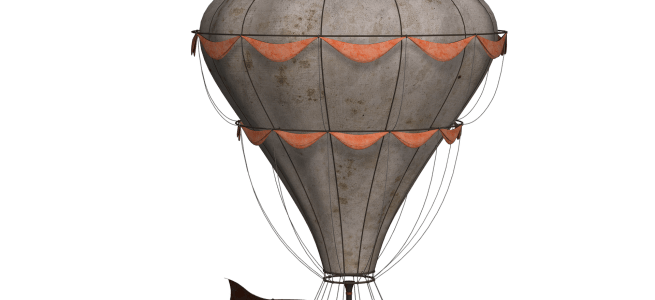
Image by susannp4 from Pixabay


This week marks the anniversary of the first hot air balloon launch in Versailles, France, in 1783. Since this was the beginning of man’s desire to fly, you must go. Please take this list with you to avoid an incident with the French (challenging to do) or a time-continuum disruption that could be catastrophic. This post was first run on September 19, 2019.

Top Ten Things Not to Do at the First Hot Air Balloon Launch in 1783.

10 If you are at the first balloon launch, do not try to buy a ticket. If you do, at best, they’ll tell you no. At worst, the head guy will inform you this trip is for animals only. (Do not give in to the temptation to moo like a cow, Javier. The first animals on the trip were a sheep, a rooster, and a duck.)

9 If you are at the first balloon launch, do not ask Tiny the WWF champ for a selfie with you. If you do, at best, Tiny will think you are kidding. At worst, Tiny, who just left his anti-witchcraft support group, will think you are trying to take his soul. (I’m not saying Tiny is superstitious, but I’m not sure that phone is going to survive a foot stomp and water bath, Jagger. Also, Tiny has the same thing in mind for you.)

8 If you are at the first balloon launch, do not attempt to communicate in French. If you do, at best, no one will acknowledge that they understand you. At worst, you will give yourself away with your obnoxious American accent. (Now you’ve done it, Jessie. These folks will want to know how you got here and why your damn revolution started in the first place. Please don’t say, “Je ne sais pas.” You’ll just make it worse.

7 If you are at the first balloon launch, do not admire the Palace of Versailles in front of the mob. If you do, at best, most will not hear you. At worst, you happen to make your comments to Robespierre and his friends. (If you recall, the French Revolution began in 1789, just five years from now. These Robespierre heavies look like bad hombres. Let’s just hope you are back home in 1789.)

6 If you are at the first balloon launch, do not make jokes about where the French get all their hot air. If you do, at best, you’ll get a couple of laughs. At worst, the guys in charge of heating the air will put you on wood-chopping duty. (You have to admit it, Joaquin. Life was more comfortable before all the hot air jokes. That ten-pound ax sure gets its name, honestly, huh?)

5 If you are at the first balloon launch, do not order a waffle from the breakfast cafe. If you do, at best, no one will know what you are saying. At worst, the cafe owner will be horrified and call the gendarmes. (You see, Jimmy, when you ordered a gaufre (or waffle in French), your accent was so bad the owner thought you had requested a gopher. Either way, anything but bread and coffee is considered uncivilized.)
4 If you are at the first balloon launch, do not ask the balloon owner how much he paid for the balloon. If you do, at best, he will walk away. At worst, he will take you for an ugly American and tell you to mind your business. (Then the crowd will wonder who you are, Johnny, and will start to figure out you are an alien. Time to hit the Wayback Machine.)
3 If you are at the first balloon launch, do not make comments about the snails being served for lunch. If you do, at best, someone will take yours. At worst, those in attendance will wonder where you are from and how come you have not been raised right. (Couple that with your accent, Jonas and you might earn a ticket to the guillotine testing facility.)

2 If you are at the first balloon launch, do not do a lot of smiling at people. If you do, at best, some will think you have gas. At worst, most of the French will assume you are an ax murderer. (Yeah, the French don’t smile much at strangers, Julien. You are making them uncomfortable, a feeling they will want to reciprocate.)

1 If you are at the first balloon launch, do not comment on the inclement weather. If you do, at best, you’ll get a “what’s new” shrug. At worst, several folks you meet will ask you to do something about it. (This is a new one, Jim. I hope you are prepared to produce miracles.)

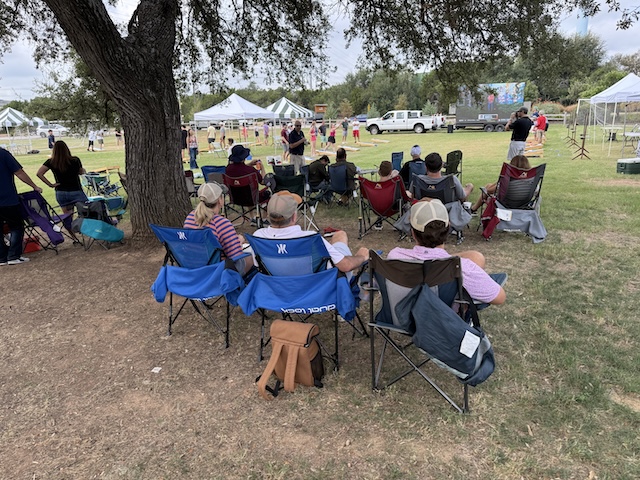
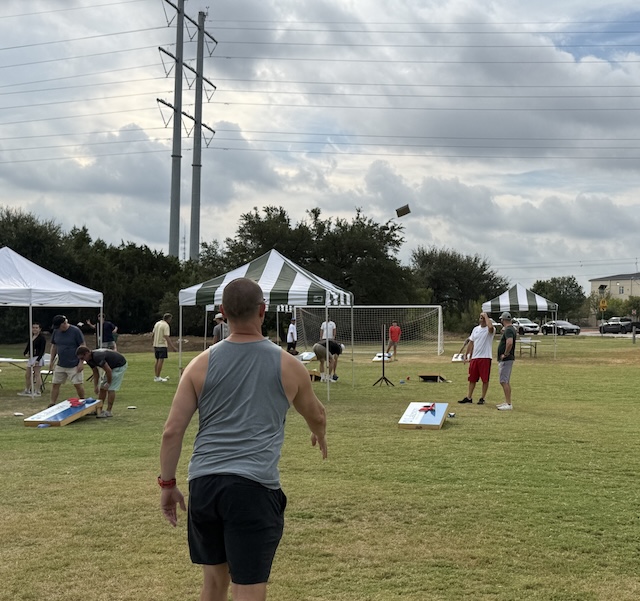
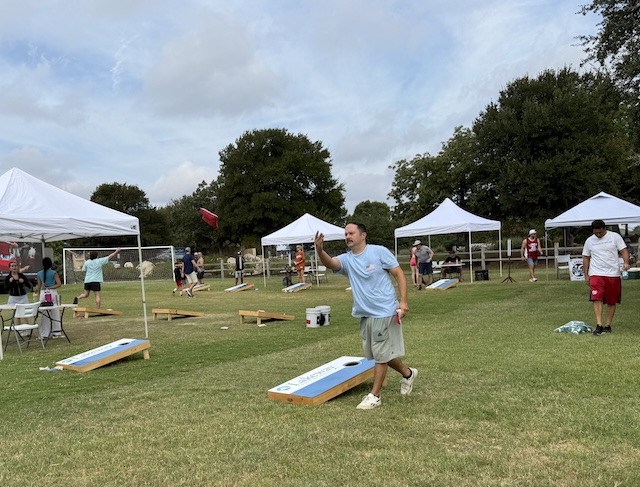
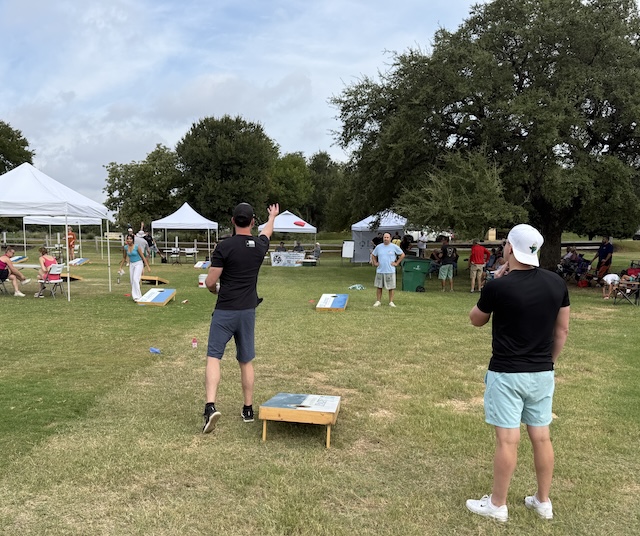
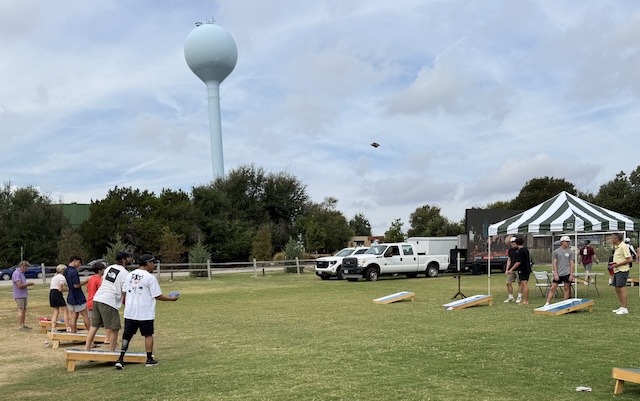
Views of the Neighborhood – Lakeway Cornhole Tournament

Today we are going to the cornhole tournament in Lakeway. We are catered by François of Austin, and our entertainment is Queen.


Menu

Boneless Wagyu – Short Ribs Bourguignon – bacon lardon/pearl onions/mushrooms/pomme mousseline

Coq au Vin – bacon lardons/mushrooms -mafaldine pasta

Duck 2 Ways – roasted breast/confit leg, stone fruit / orange ginger sauce

Stuffed Lamb Tenderloin -spinach/mushrooms prosciutto/cassis sauce

Center Cut 10oz. Filet Mignon

Pappardelle – rabbit ragout / cèpe mushrooms

Mafaldine Pasta – woodland mushrooms à la creme / roasted pearl onions, fine herbs/parmesan reggiano

King Salmon fennel confit/burgundy onions / beurre rouge

Gulf Red Snapper – celeriac pomme puree / jumbo lump crab meat capers / beurre blanc /

Dover Sole “Grenobloise”capers / lemon / brioche croutons / beurre noisette

Crab Stuffed Maine Lobster Thermidor rice pilaf / gruyère cheese tarragon vin blanc sauce

Picture of an old time school bus

Come on. Let’s go.

There’s the sign.

Spectators are ready.

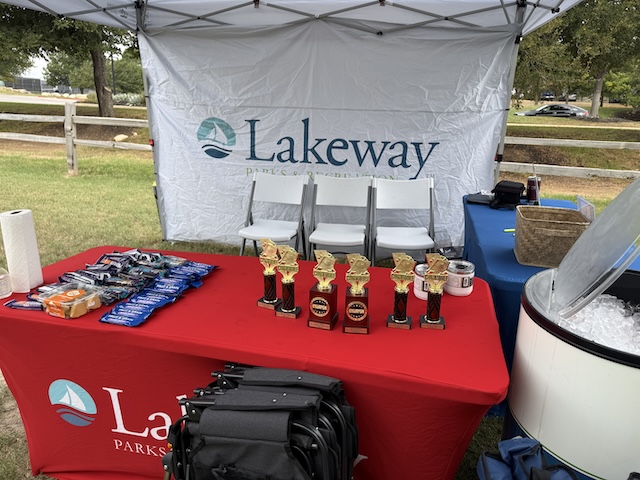
Prizes for the winning teams.

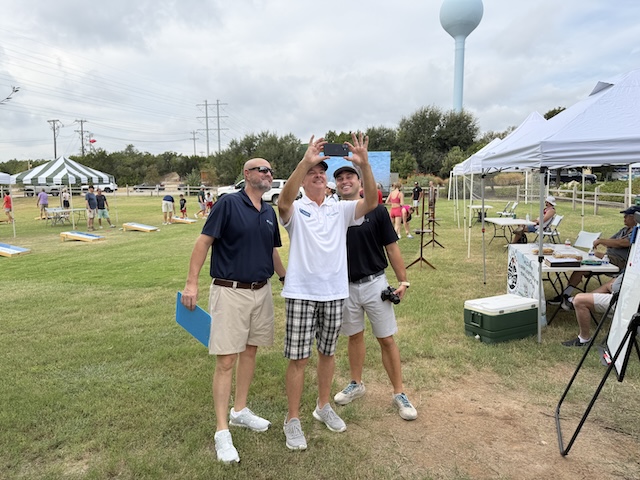
City Council Member Ket O’Brian (C) taking a selfie with Ricky Gavit (L), Assistant Director of Parks and Recreation, and a Parks and Recreation staff member (R)

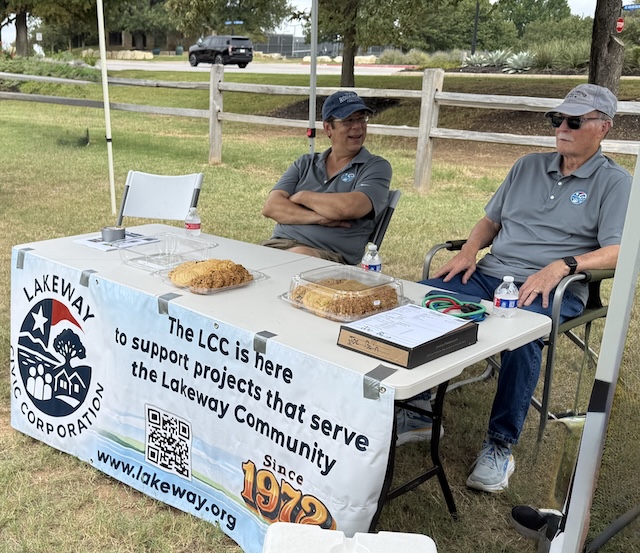
The sponsors of the event – Lakeway Civic Corporation

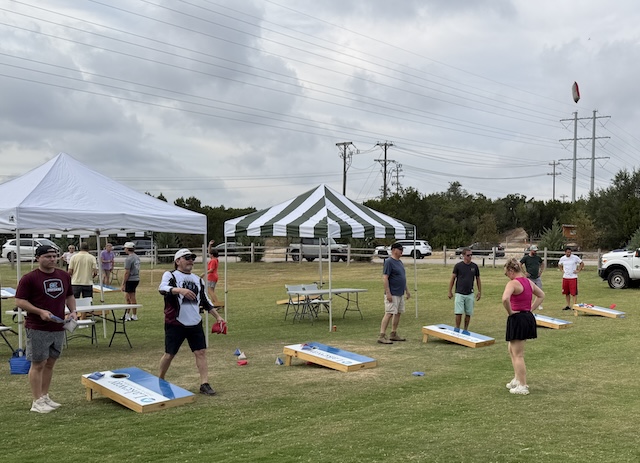
Beanbag in the air.

Jumbotron for a move after.

Looks like a good shot.

Another competitor lets it fly.

Back at cha.

Field of dreams


Time now for some food and music. I hope you have a great week.

Stream of Consciousness Saturday – Prompt – “Inner/Outer”

A picture of a string with drops of water- the logo for SoCS

Sometimes understanding the inner workings of the coffee machine is difficult, given its expressionless exterior. The machine certainly has inner quirks that show up as a lack of performance. For example, this morning everything looked normal as the machine was powered up. Then this message appeared briefly on the touchscreen.

The normal screen appears, but the mystery of the machine’s message is still with me. Two touches of the coffee icon produced a normal hot, steaming 8oz cup of soothing syrup, whose aroma began calming the Notre Dame Marching Band sound in my head from not enough caffeine. The first sip went further, and all that is left is a slight sound of that tiny triangle, which is seldom heard. The second sip is accompanied, as we all know, by the cacophony of the combination of the Doorbell Westminster chimes and the rock-crumbling bark of Twiggy and Tempeste warning the idiot who can’t read the “Do not ring the doorbell sign that death is imminent. A quick toss of a couple of Bennie Bomes into the soundproof room, followed by a door slam. The quiet reverberates like Disturb’s Sound of Silence

A look at the security monitor confirms that the doorbell ringers are Laurel and Hardy. With a sigh, the security shutdown process is begun.

The B-2 bomber squadron and the F-35 escort must be called off. One call does it. The tank corps and gunboats are told to stand by. The Apache helicopters are rerouted. The electric shock fence is turned off. The drawbridge over the quicksand is lowered. The robot attack dogs returned to their charging station. The laser-guided machine guns on the roof are set to caution. The nest filled with rattlesnakes put away. The bucket filled with 1000 marbles is locked down. The tear gas canisters shut off. The electrified welcome mat set to off. The fall-away sidewalk into the pit filled with spikes is locked. The hornet’s nest closed. The water cannons are set to safety. Bear traps are set to off. Peregrine Falcons perched on the roof above front door fed. The vat of boiling oil set to warm.  Monty Python’s Harmless Little Rabbit’s cage is closed. The front door is opened.

Hardy steps forward to hand me the clipboard and envelope. Laurel taps him on the shoulder. He responds by asking Laurel to give him a minute. Laurel continues to tap. “What is it?” Hardy demands. “You are standing on my foot.” The clipboard goes back with a fiver attached, and once inside, the envelope is opened to reveal a message from Linda Hill

Your Friday prompt for Stream of Consciousness Saturday is “inner/outer.” Use one, use both, use ’em any way you’d like. Bonus points if you use both. Enjoy!

To see what others have done with the prompt, visit Linda’s post. Here is the link:

https://lindaghill.com/2026/09/25/the-friday-reminder-and-prompt-for-socs-september-26-2026/

Inner/Outer by John W. Howell © 2026

‘I see you repeated using the prompt.”

“Yeah, I have been getting a lot of folks who wonder where the prompt was used.”

“You could bold it.”

“But then the dialog turns into prose.”

“Too complex for me. How did you choose Laurel and Hardy today?”

“They are a favorite of mine.”

“They say slapstick humor is the lowest kind.”

“I never said I was sophisticated in my laughs.”

“I do think they are funny.”

“As a kid, I loved watching them. I saw a few reels recently, and they are still funny.”

“I’ll take your word. I haven’t seen them in years.”

Speaking of years, did you call Uber?”

“Yup. Right over there.”

Photo by Dan Antion

“Now you are talking. I get dibs on the stretcher.”

“Not sure that’s going to happen.”

“Why not?”

“Because there is a catch.”

“Of course there is. What is it?”

“We have to transport a guy from the hospital to the care facility.”

“Why the heck do we get into these situations?”

“It’s all about the money. The trips are free.”

“I think paying would be better.”

“Ah, come on. Think of the experiences. You know first aid, don’t you?”

“Huh? No, I don’t.”

“Don’t tell the driver. I told him you did.”

“What if something happens?”

“It won’t. The guy is perfectly healthy.”

“Why is he in an ambulance then?”

“He is 102 years old.”

“Great. What if he has a heart attack or something?”

“Just follow the directions on the defib machine.”

“Give me a Voodoo Ranger.”

“You’ll be fine.”


Friday JohnKu – AKA – TGIF – Fri-Yay/Good News

Today’s good news comes from Vogue magazine and was sent to me by a reporter-at-large, Noelle Granger

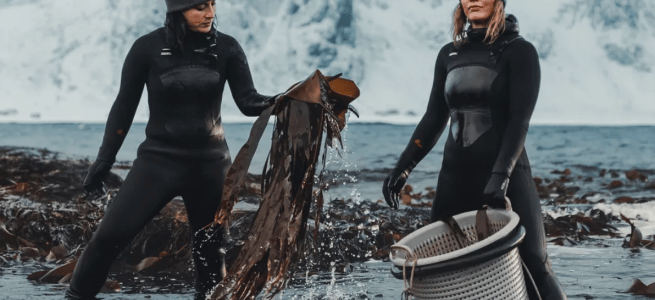
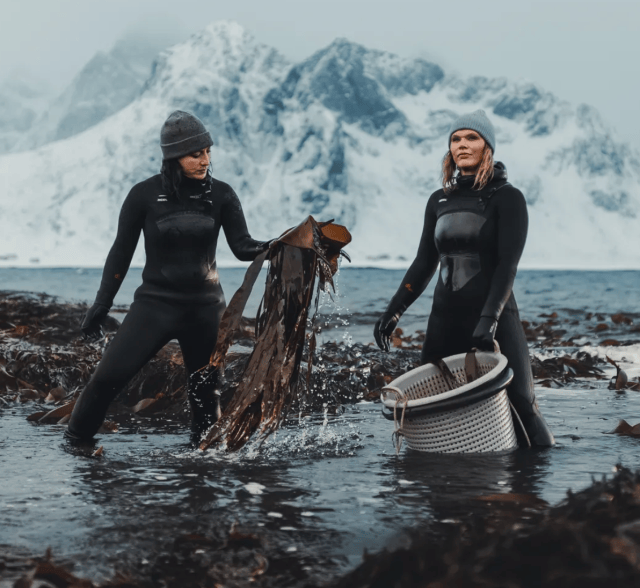
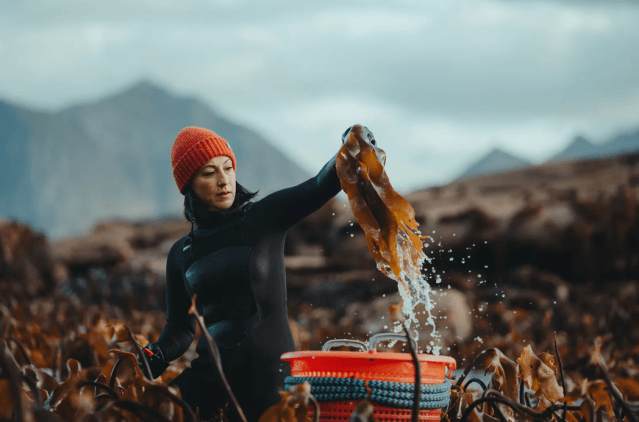
Angelita Eriksen and Tamara Singer of Lofoten Seaweed.Morten Munthee

Meet the Women Leading Norway’s Seaweed Revolution

By Stephanie Gavan

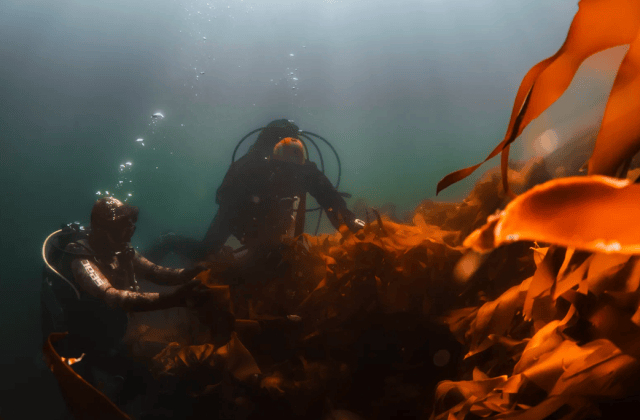
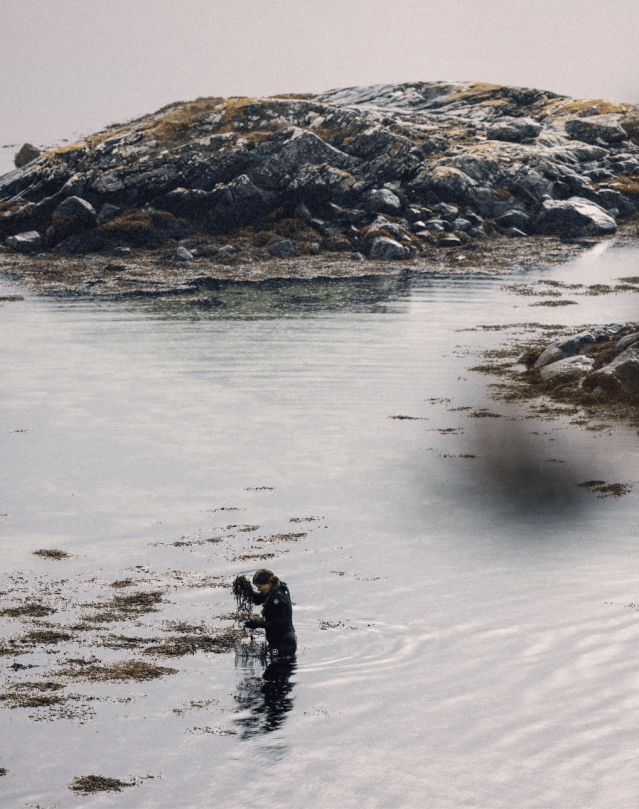
It’s still dark as I pick my way down a rocky path toward the sea. The air is as cold as you’d expect from a Norwegian winter, but the wind is still—a small mercy as I peel off my robe and slide into my wetsuit. I’m preparing to dive, not for fish, but for seaweed, a natural resource that is plentiful in this part of the world.

For centuries, the story of these wind-whipped northern shores has been told through the lens of the male-dominated fishing industry. But today, a seaweed-based movement led primarily by women is rapidly reshaping what it means to eat, farm and live sustainably.

Photo: Courtesy of Lilløy Lindenberg

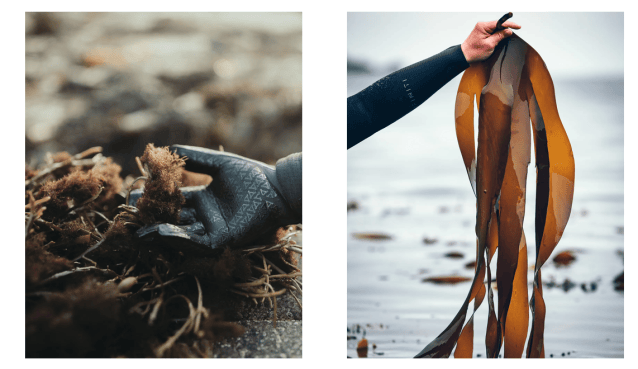
“It’s like a tropical rainforest of seaweed that grows around just this tiny island,” explains Antje de Vries, emerging from the water with a handful of ribbon-like sugar kelp. Antje—a chef and ecotrophologist—runs the plant-based kitchen at Lilløy Lindenberg, a private island retreat off the coast of Bergen where I’ve been spending the weekend. I zip up my wetsuit and join her, gliding past colorful starfish and sea urchins in search of those tendrilling fronds. Two nights earlier, I’d joined Antje for ‘Kelp Club’, a roaming, nine-course supper where each dish has been made or infused with hand-harvested seaweed from this very fjord. “Fermenting, dehydrating, caramelizing, searing,” she raves, “what you can do with it is endless.”

Antje de Vries in the sea near Lilløy Lindenberg.
Photo: Courtesy of Lilløy Lindenberg


Her enthusiasm is far from an isolated culinary quirk. As the UN warns, we must cultivate the oceans to prevent food insecurity by 2050; these northern coasts are fast becoming a testing ground for a new ecological framework. Seaweed has unique potential to scale sustainable, nutrient-dense food supplies, requiring no arable land, fresh water, or synthetic fertilizers. It produces up to sixty percent of the world’s oxygen, absorbs dissolved nitrogen and captures carbon at rates that rival rainforests.

Little wonder, then, that the global seaweed market has more than tripled over the last two decades. And that’s to say nothing of the plant’s mind-boggling health benefits. Packed with iodine, essential minerals, and gut-stabilizing compounds, research shows that ocean-grown plants act as natural antibacterial agents and help regulate blood sugar—a primary reason why seaweed-rich diets in coastal Asian nations are consistently linked to longevity and lower rates of chronic disease.

Photo: Bruno Veiga / Courtesy of Lilløy Lindenberg

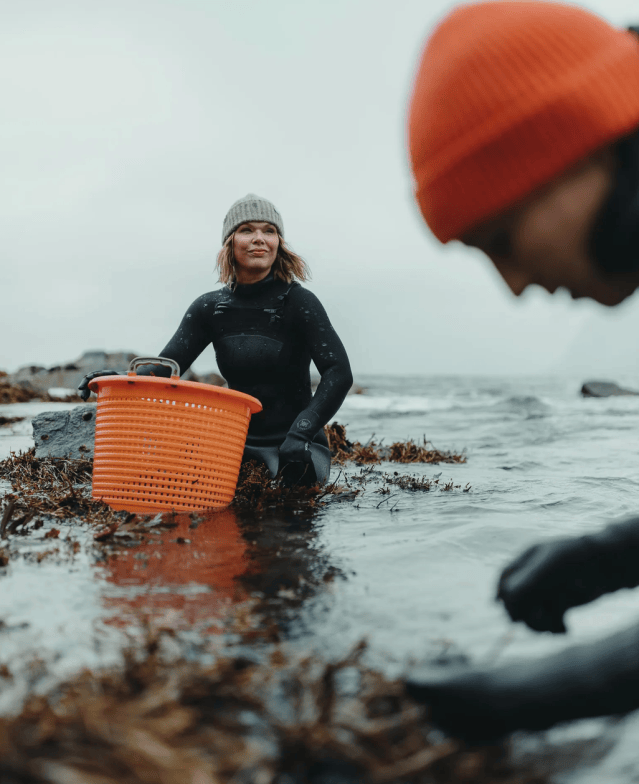
But long before global institutions began hailing seaweed as a future food, Angelita Eriksen knew it only as a nuisance; a weed that tangled her father’s boat propellers in the Arctic waters of the Lofoten Islands. It wasn’t until she returned home after many years abroad that her perspective started to shift. “I was blown away by its nutritional benefits, the taste, and its environmental impact. I called everyone that had ever mentioned it.” In doing so, she reached out to Tamara Singer, who was familiar with seaweed by way of her Japanese heritage. Together, they founded Lofoten Seaweed, a business that creates seaweed-based products from salts and sprinkles to seaweed-enhanced beauty products.

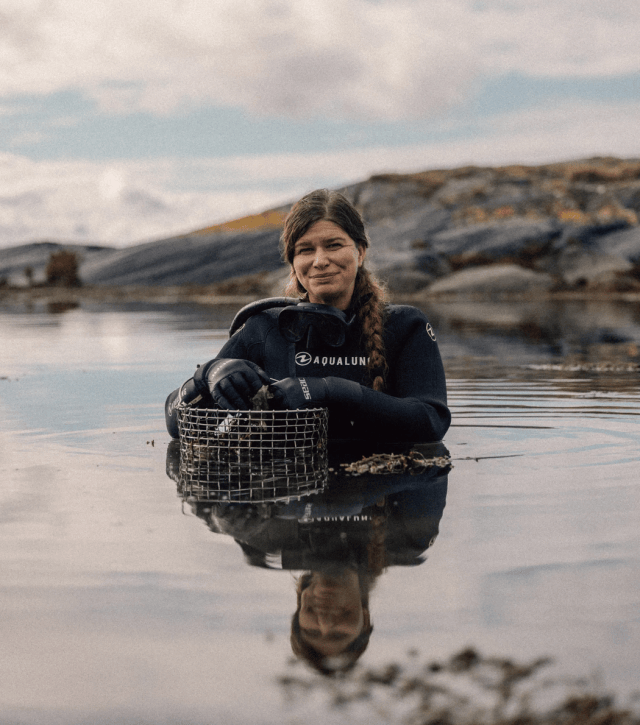
Tamara Singer of Lofoten Seaweed.
Photo: Morten Munthee / Courtesy of Lofoten Seaweed

Initially, local fishermen laughed at the sight of two women gathering weeds in their baskets. “It’s a tough, male-dominated environment,” says Angelita. “Many people didn’t understand what we were doing.” But as the company grew—eventually earning a spot on the menu at Copenhagen’s famed Noma and representing Norway at the prestigious Bocuse d’Or in Lyon—that skepticism turned to respect. Though seemingly novel, their work belongs to a much older, global tradition of women working with seaweed. For 3,000 years, Japan’s legendary Ama ‘sea women’ have freedived to harvest kelp. Centuries later, in Victorian England, women—banned from scientific institutions—took up beachcombing, where their work formed the backbone of modern seaweed classification. Today, across coastal Zanzibar and Tanzania, the seaweed sector is roughly 80% female-led and has transformed local communities by placing financial independence and civic leadership directly in women’s hands.

Angelita Eriksen of Lofoten Seaweed.
Photo: Morten Munthee / Courtesy of Lofoten Seaweed

“Here in Lofoten it goes way back to the Viking ages,” Angelita explains, “when women would stay back to run the farms while the men were gone. Seaweed harvesting was something they could do while staying at home with their children. It’s a tradition we have forgotten in modern society, but sometimes the older generations approach us and say, ‘You know, I also picked seaweed as a child.’” This return to ancient ways of working signals a wider cultural shift, as policymakers begin transitioning from dominance over nature to stewardship. “From a female perspective, it makes sense to work with the ocean in a more sustainable, harmonic way,” explains Tamara. “It’s kinder, not so brutal. Success for us means helping to make things better—people’s health, the environment.” Unlike fishing, which begins and ends with the catch, seaweed cultivation demands continuous care. You cannot over-harvest a reef without destroying your own livelihood; to gather from the ocean, you have to nurture it.

Photos: Morten Munthee / Courtesy of Lofoten Seaweed

“That feels like a uniquely female strength,” Antje reflects. And this more nourishing way of relating to the natural world extends to how these women physically encounter the ocean, too. While male commercial divers often layer up in thick, insulated drysuits, Norway’s female harvesters almost always wear wetsuits. It’s an intentional choice to forgo total protection in favor of tactile intimacy. “We’re feeling the water,” Antje says, her gloves deliberately worn thin at the fingertips. “I think that’s really important, that synchronization with nature. Feeling the elements is something we’re all missing.”

Last year, the EU endorsed algae as a key resource for the Continent’s green and blue transition. So far, Norway is leading the charge, piloting large offshore farms along its coastlines while investing in R&D initiatives like Arctic Seaweed and Seaweed Solutions. Advocates like Antje and founders like Angelita and Tamara are ensuring that gender parity is woven into the movement’s DNA from day one. But even as these projects begin to scale, their purpose remains the same: a conscious move away from extractive practices and toward a more restorative approach to our oceans. “It’s the birthplace of all on Earth, right?” Antje offers with a smile. For these women, seaweed isn’t just a superfood, but a way to reshape our relationship with the wild. And in tending to the ocean, we may just find our way back.

The good news in this story is the efforts to take a restorative approach to ocean commerce.

Today’s JohnKu talks about sustainable farming. I hope you have a super week.

Forever by John W. Howell © 2026

Nature has bounty,

But we must use it wisely . . .

Conserve where you can.